
Mammal
Polynesian Rat
Rattus exulansAlso known as Pacific Rat, Little Rat, Kiore
Polynesian rats are small, agile rodents with slender bodies, pointed snouts, and large ears that distinguish them from larger rat species. They are skilled climbers, frequently nesting in trees, thatched roofs, and coconut palms where they forage for both plant matter and small animals. Having traveled alongside Pacific voyagers for millennia, they play a complex role in island ecosystems, often acting as significant pests to native bird and plant populations.
NocturnalAdaptableInvasive
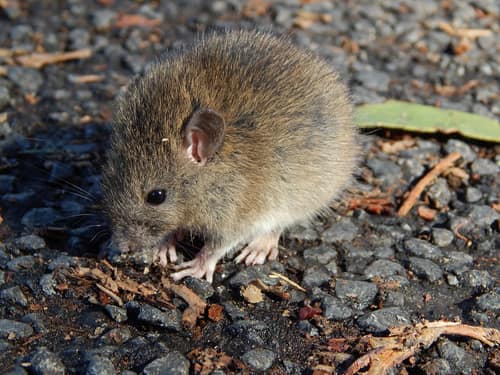
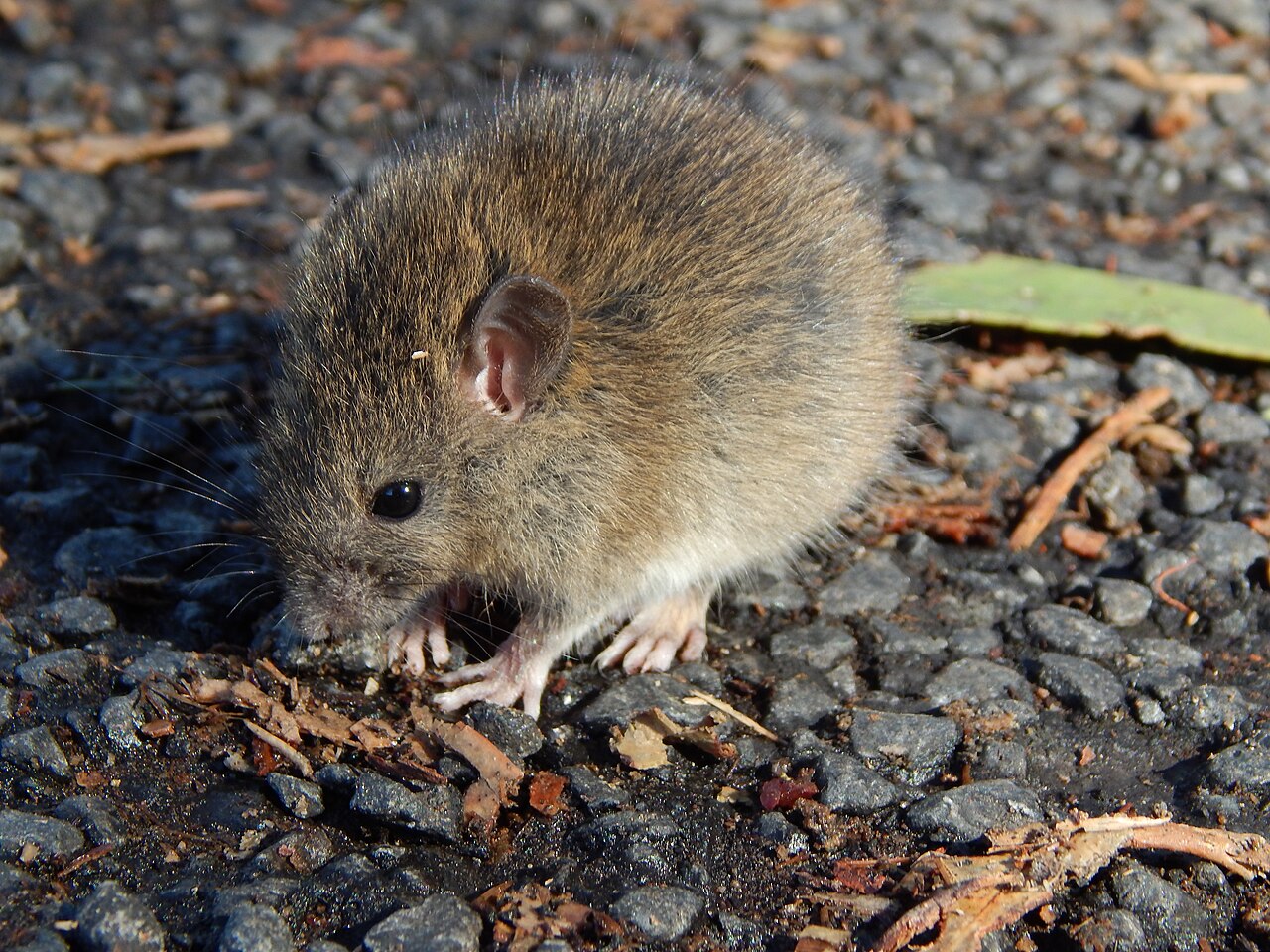
—observations
—countries
—peak records
Least ConcernConservation statusIUCN Red List categoriesLCNTVUENCREWEXLeast ConcernRed List categories, explained →
Diet & preyInsects, Seeds, Bird Eggs
Predators
- Feral Cats
- Owls
- Mongooses
ThreatsEradication programs and competition with larger introduced rodents
HabitatsGrasslands, forests, agricultural areas, and human settlements
Life span1 to 2 years
Classification
- FamilyMuridae
- SpeciesRattus exulans
Native Introduced
Native range in olive; established introduced range in rust.
Interaction riskModerate
- Low
- Moderate
- High
- Very high
- Why interaction risk is moderate
- Can carry pathogens and bite if cornered; observe from a safe distance and do not handle.
- Why it is dangerous
- Carries various pathogens, including leptospirosis and murine typhus, which can be transmitted to humans.
- How to recognize a risky encounter
- Distinguished by its small size, warm brown fur, and a tail that is slightly longer than its body.
- What to do
- Avoid contact with wild individuals, secure food sources, and wash hands if contact occurs.
Responsible observation
- Sanitation: Keep food sealed and waste secured to avoid attracting them to campsites.
- Observation: Look for them scurrying along tree branches or palm fronds at dusk.
- Footprints: Identify their tracks by the four-toed front feet and five-toed hind feet.
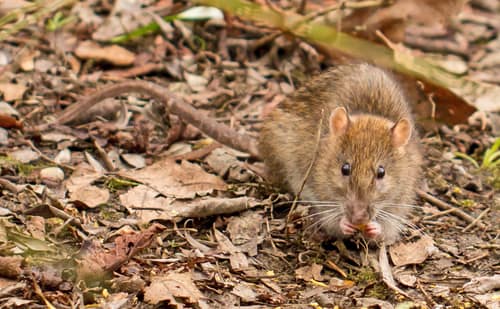
Competitor (c) Martin Cooper, some rights reserved (CC BY) · cc-by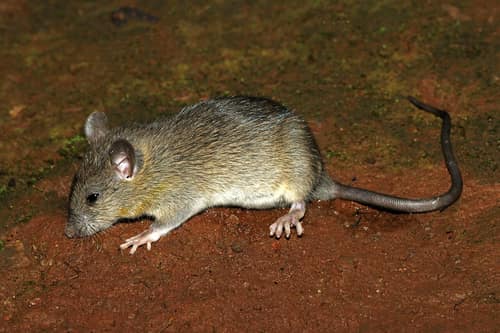
Competitor Davidvraju / CC0 · cc0
Help improve the field guideSomething wrong?
Checking your Fauna account…Report a name, category, or profile issue for review.