Also known as Norway Rat, Common Rat, Sewer Rat, Wharf Rat
Brown rats live in complex subterranean colonies connected by extensive burrow systems with specialized chambers for nesting and food storage. Highly social and cautious, they rely on keen senses of hearing and olfaction to navigate territory and detect novel objects in their environment. Their extraordinary adaptability and prolific breeding cycle have allowed them to thrive alongside human settlements across nearly every biome on Earth.
ThreatsRodenticide poisoning, systematic pest management, predation
HabitatsUrban and suburban areas, sewers, farmsteads, riverbanks, coastal marshes
Life span1–3 years in the wild
Size / weightNot available
Classification
OrderRodentia
FamilyMuridae
GenusRattus
SpeciesRattus norvegicus
Range & activity
Native Introduced
Native range in olive; established introduced range in rust.
Safe observation
Interaction riskModerate
Low
Moderate
High
Very high
Why interaction risk is moderate
Can transmit leptospirosis and other pathogens; avoid handling and observe wild individuals from a safe distance.
Why it is dangerous
Excreta and urine can carry Leptospira bacteria, hantaviruses, or salmonella, while defensive bites introduce Streptobacillus moniliformis, causing rat-bite fever.
How to recognize a risky encounter
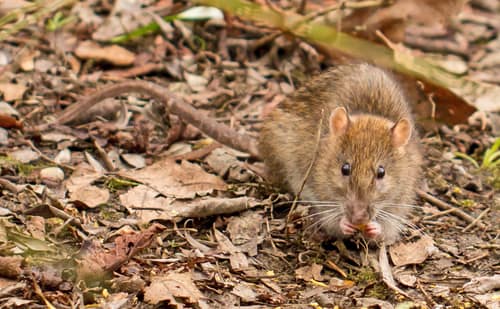
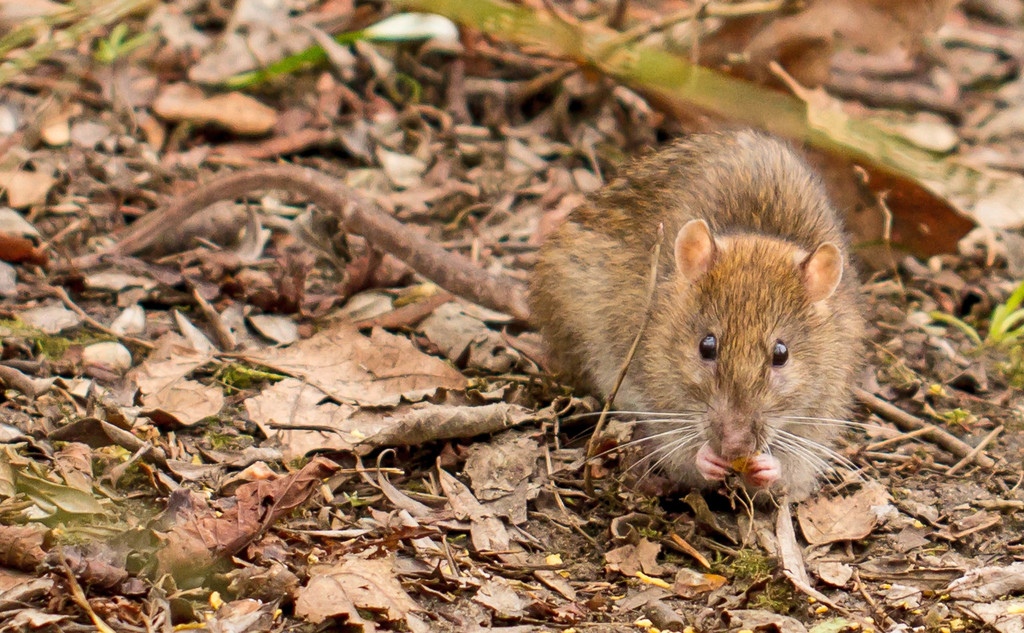
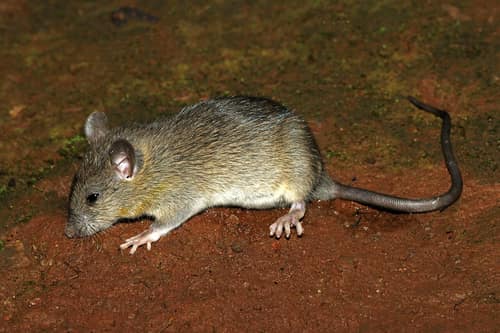
Recognizable by heavy brownish-grey bodies, blunt snouts, small ears that do not cover the eyes, and thick scaly tails shorter than head and body.
What to do
Never corner or attempt to touch a wild rat; wear thick protective gloves and sanitize thoroughly if cleaning rodent-infested areas.
Responsible observation
Keep Distance: Avoid approaching or cornering wild rats, as they can leap and bite defensively.
Sanitation First: Secure compost, pet food, and trash bins to discourage unwanted visits.
Watch Burrows: Look along building foundations and creek banks at dusk to spot entrance holes.