
Mammal
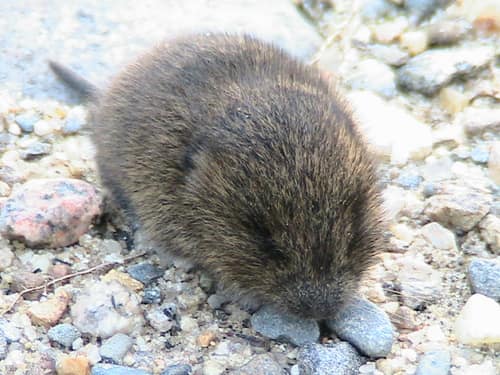
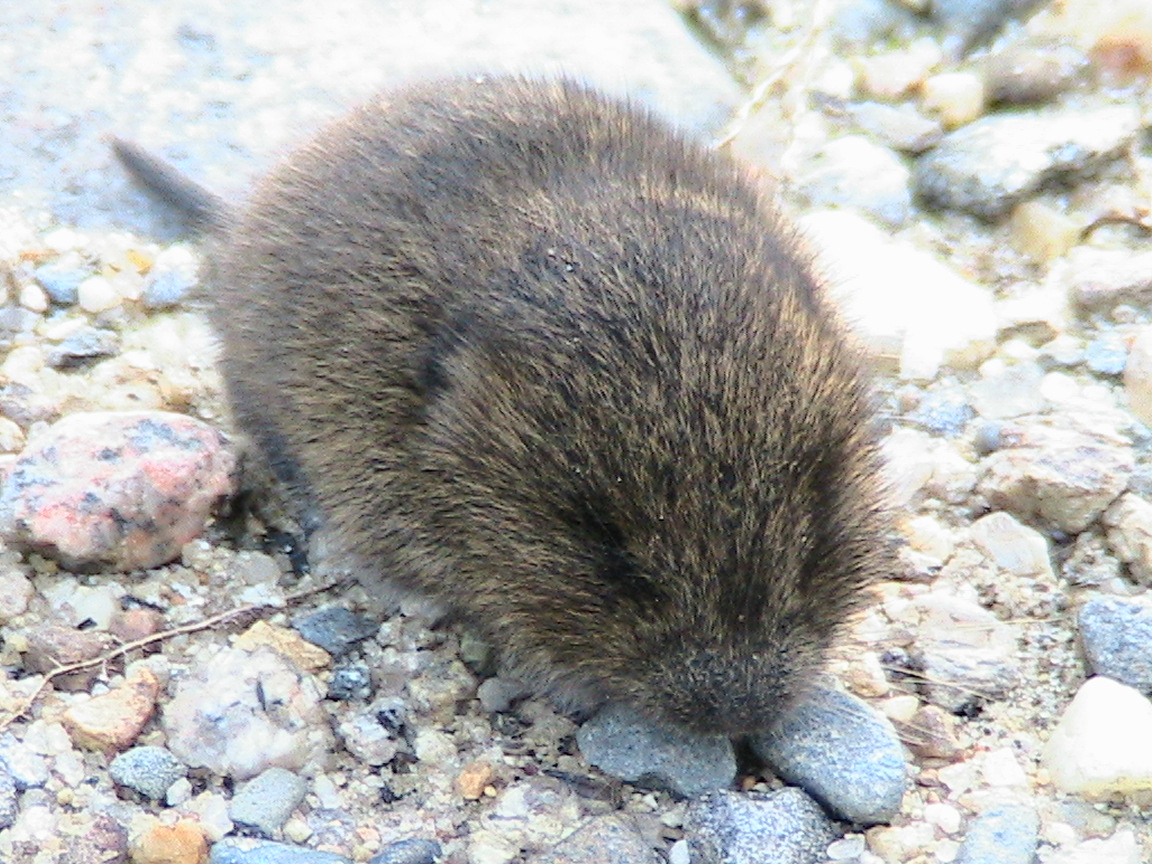
Meadow Vole
Microtus pennsylvanicusAlso known as Eastern Meadow Vole, Field Mouse, Meadow Mouse
Meadow voles weave intricate networks of surface runways through dense grassy vegetation to travel safely beneath cover. Active day and night throughout the year, these abundant rodents carve subnivean tunnels under winter snowpack to feed on bark and roots. Their explosive reproductive rate allows females to produce up to a dozen litters annually, forming a foundational prey base for North American grassland predators.
MammalHerbivoreRodent
—observations
—countries
—peak records
Least ConcernConservation statusIUCN Red List categoriesLCNTVUENCREWEXLeast ConcernRed List categories, explained →
Diet & preyGrasses, Sedges, Plant roots
Predators
- Red-tailed Hawk
- Barn Owl
- Red Fox
ThreatsHabitat loss, agricultural tilling, rodenticide use
HabitatsMoist meadows, grasslands, marshes, fields, and open woodlands
Life span1–1.5 years in the wild
Classification
- OrderRodentia
- FamilyCricetidae
- GenusMicrotus
- SpeciesMicrotus pennsylvanicus
Range data is not available yet.
Interaction riskLow
- Low
- Moderate
- High
- Very high
- Why interaction risk is low
- Capable of a quick bite if handled; observe from a safe distance.
Responsible observation
- Spotting runways: Look for narrow, clipped paths under dense grass or snow cover.
- Observing silently: Sit quietly near field edges during twilight hours when activity peaks.
- Handling precautions: Avoid trapping or grabbing wild voles to prevent stress and bites.
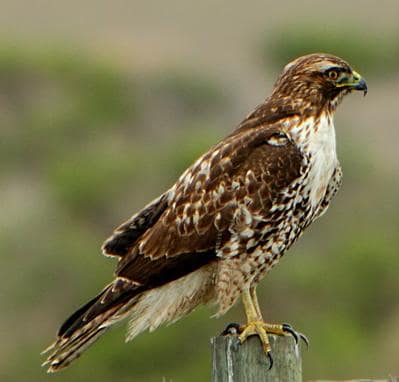
Predator Buteo_jamaicensis_1.jpg: Alan Vernon derivative work: Berichard (talk) / CC BY 2.0 · cc-by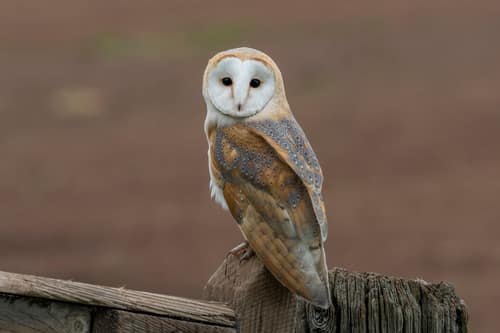
Predator (c) caroline legg, some rights reserved (CC BY) · cc-by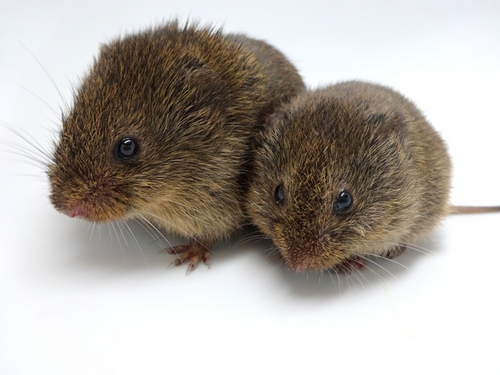
Close Relative Nastacia Goodwin / CC BY-SA 4.0 · cc-by-sa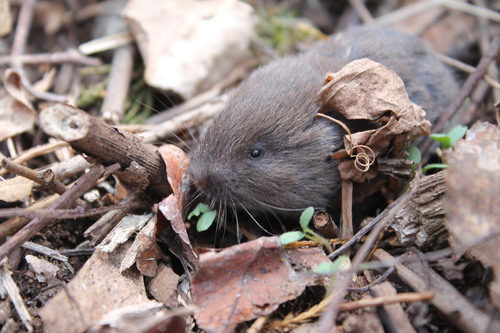
Close Relative (c) Violet T., some rights reserved (CC BY) · cc-by
Keep collecting in Fauna
Found in Collections
Ecosystem chain Pro
Prairie Plains
Meadow Vole is found in this collection. Identify it in Fauna to fill this slot and continue your progress.
Unlock to track progress
Help improve the field guideSomething wrong?
Checking your Fauna account…Report a name, category, or profile issue for review.