
Mammal · GBIF taxon 2438455
Dusky-footed Woodrat
Neotoma fuscipesAlso known as Packrat, Trade Rat, California Woodrat
Dusky-footed woodrats are industrious nocturnal builders famous for constructing massive, multi-generational stick houses that can reach over two meters in height. These gentle-looking rodents decorate and reinforce their complex shelters with twigs, leaves, and shiny items, often swapping objects they carry when something more appealing catches their eye. Their extensive nest mounds serve as crucial microhabitats in oak woodlands and chaparral, providing shelter for dozens of other small animal species.
NocturnalEcosystem EngineerMammal
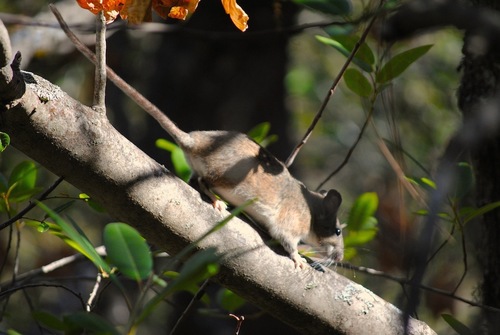
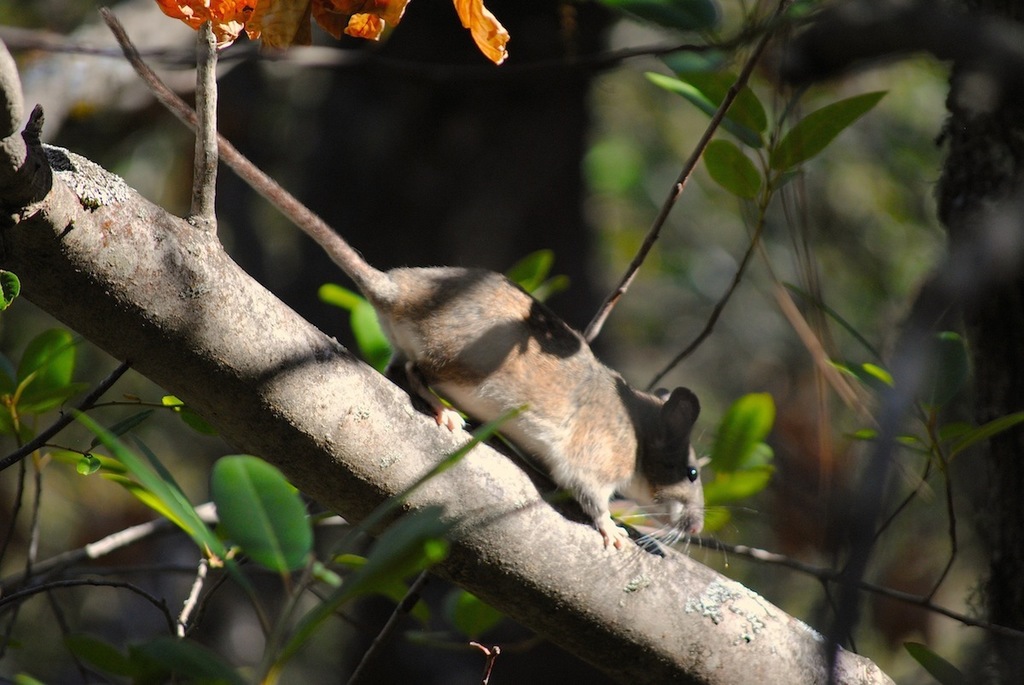
—observations
—countries
—peak records
Least ConcernConservation statusIUCN Red List categoriesLCNTVUENCREWEXLeast ConcernRed List categories, explained →
Diet & prey
- Acorns
- Oak leaves
- Fungi
Predators
- Coyote
- Great Horned Owl
- Bobcat
ThreatsHabitat loss, wildfires, rodenticide poisoning, severe drought
HabitatsOak woodlands, chaparral, mixed evergreen forests, coastal scrub
Life span2–4 years
Classification
- FamilyCricetidae
- SpeciesNeotoma fuscipes
Range data is not available yet.
Interaction riskModerate
- Low
- Moderate
- High
- Very high
- Why interaction risk is moderate
- Can deliver a sharp bite if handled and carries nest parasites; observe nests without disturbing them.
- Why it is dangerous
- Large stick nests frequently harbor fleas, ticks, and kissing bugs that can transmit pathogens to humans and pets.
- How to recognize a risky encounter
- Look for large, dark-footed rodents or massive conical stick mounds tucked into tree crotches or dense brush.
- What to do
- Keep a respectful distance, avoid touching or disturbing nest mounds, and never attempt to hand-feed or grab live woodrats.
Responsible observation
- Observe from a Distance: Watch stick nests during twilight hours when woodrats emerge to forage.
- Avoid Nest Disturbance: Do not dismantle stick houses, as this destroys vital winter shelter and exposes occupants to predators.
- Wear Gloves: Use protective gloves if cleaning near nest debris in sheds or cabins to minimize exposure to parasites.
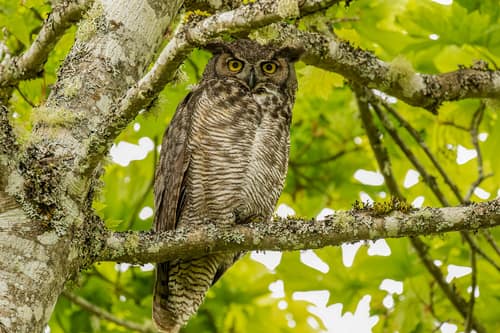
Predator "Great Horned Owl, the first I've seen in decent light this year. Didn't want to disturb it for too long so we continued along the trail" by island deborah- is licensed under CC BY-SA 2.0. To view a copy of this license, visit https://creativecommons.org/licenses/by-sa/2.0/. · cc-by-sa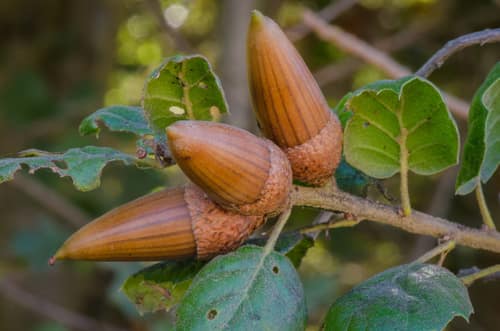
Host Plant (c) Franco Folini, some rights reserved (CC BY-SA) · cc-by-sa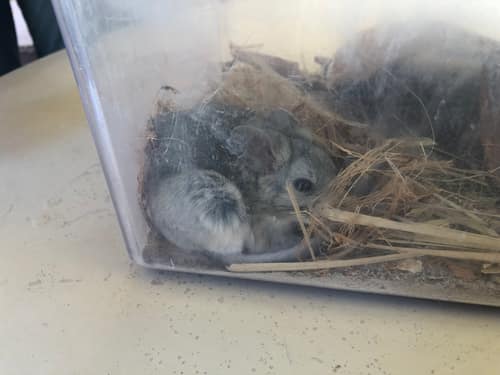
Close Relative (c) Amelia Tauber, some rights reserved (CC BY) · cc-by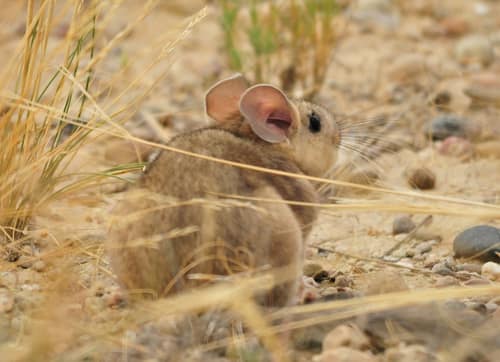
Close Relative "Bushy-Tailed Woodrat on Seedskadee National Wildlife Refuge" by USFWS Mountain Prairie is licensed under CC BY 2.0. To view a copy of this license, visit https://creativecommons.org/licenses/by/2.0/. · cc-by
Help improve the field guideSomething wrong?
Checking your Fauna account…Report a name, category, or profile issue for review.