
Mammal
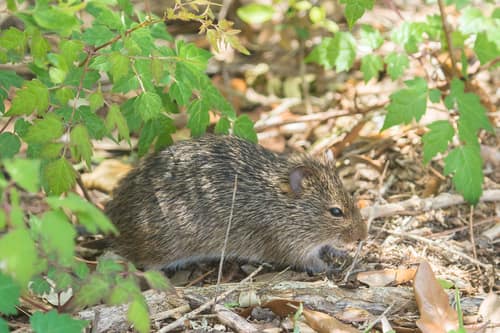
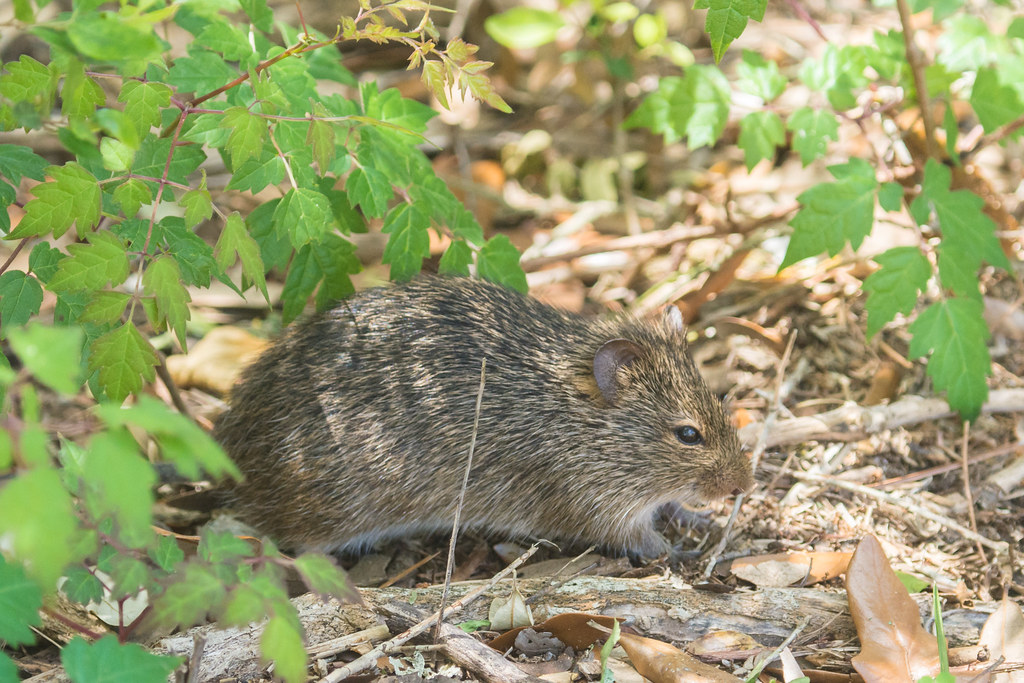
Hispid Cotton Rat
Sigmodon hispidusAlso known as Cotton Rat, Common Cotton Rat
Hispid cotton rats are stocky, aggressive rodents that cut intricate, two-inch-wide runway networks through dense, tall grasses to travel safely between feeding sites. Active day and night, these prolific foragers feed heavily on green vegetation, seeds, and insects, serving as a vital prey base for North American raptors and carnivores. Their populations fluctuate dramatically in multi-year cycles, occasionally resulting in massive local irruptions that reshape local plant communities.
TerrestrialProlificHerbivorous
—observations
—countries
—peak records
Least ConcernConservation statusIUCN Red List categoriesLCNTVUENCREWEXLeast ConcernRed List categories, explained →
Diet & preyGrasses, Sedges, Seeds
Predators
- Hawks
- Owls
- Coyotes
ThreatsHabitat loss, agricultural intensification, and extreme winter weather
HabitatsOvergrown fields, pastures, roadsides, and marshy areas with dense ground cover
Life span6 months to 1 year in the wild
Classification
- FamilyCricetidae
- SpeciesSigmodon hispidus
Native
Interaction riskModerate
- Low
- Moderate
- High
- Very high
- Why interaction risk is moderate
- Can bite defensively and carry pathogens; observe from a distance and do not handle.
- Why it is dangerous
- Can carry Black Creek Canal virus (a type of hantavirus) and may deliver a painful bite if cornered or handled.
- How to recognize a risky encounter
- Distinguished by its grizzled, coarse black and buff fur, stocky build, and relatively short, sparsely haired tail.
- What to do
- Never attempt to catch or corner wild rodents, and wear gloves if cleaning areas where they have nested.
Responsible observation
- Look for Runways: Search for narrow, cleared paths about two inches wide cut through dense, tall grass.
- Listen for Rustling: Sit quietly near overgrown fields to hear them scurrying through the undergrowth during the day.
- Keep Your Distance: Avoid handling wild rodents to prevent defensive bites and exposure to zoonotic diseases.
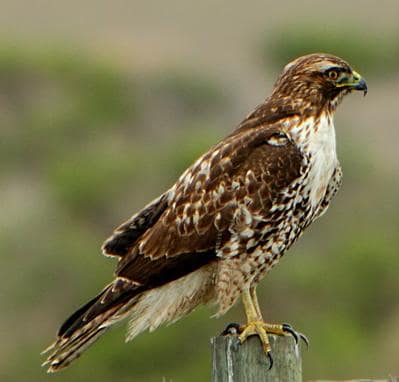
Predator Buteo_jamaicensis_1.jpg: Alan Vernon derivative work: Berichard (talk) / CC BY 2.0 · cc-by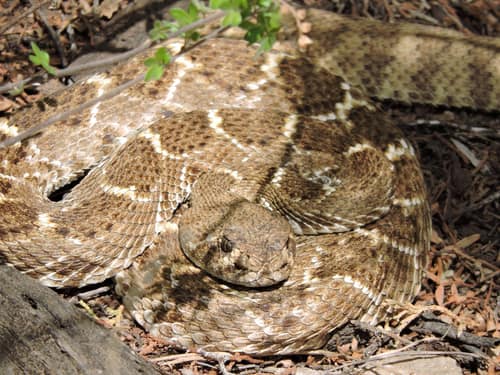
Predator (c) Sam Kieschnick, some rights reserved (CC BY), uploaded by Sam Kieschnick · cc-by Image unavailable
Competitor Close Relative
Help improve the field guideSomething wrong?
Checking your Fauna account…Report a name, category, or profile issue for review.