
Mammal · GBIF taxon 2437985
Pinyon Deermouse
Peromyscus trueiAlso known as Pinyon Mouse, Piñon Mouse, Big-eared Deermouse, Palo Duro Mouse
Pinyon deermice are nimble climbers highly adapted to the arid pinyon-juniper woodlands and rocky slopes of western North America. Their disproportionately large ears provide acute hearing to evade predators in dry, open terrain, while long tails offer balance when clambering across boulders and tree branches. Foraging mainly at night, they gather pinyon nuts, juniper berries, seeds, and insects, caching food supplies to survive harsh high-desert winters.
NocturnalAgile ClimberDesert Native
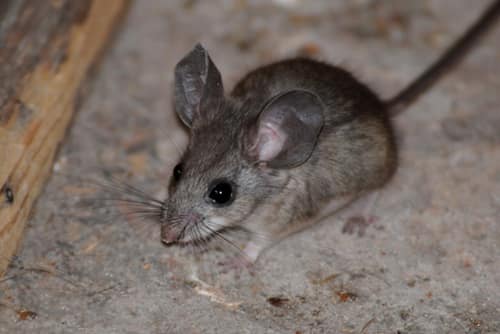
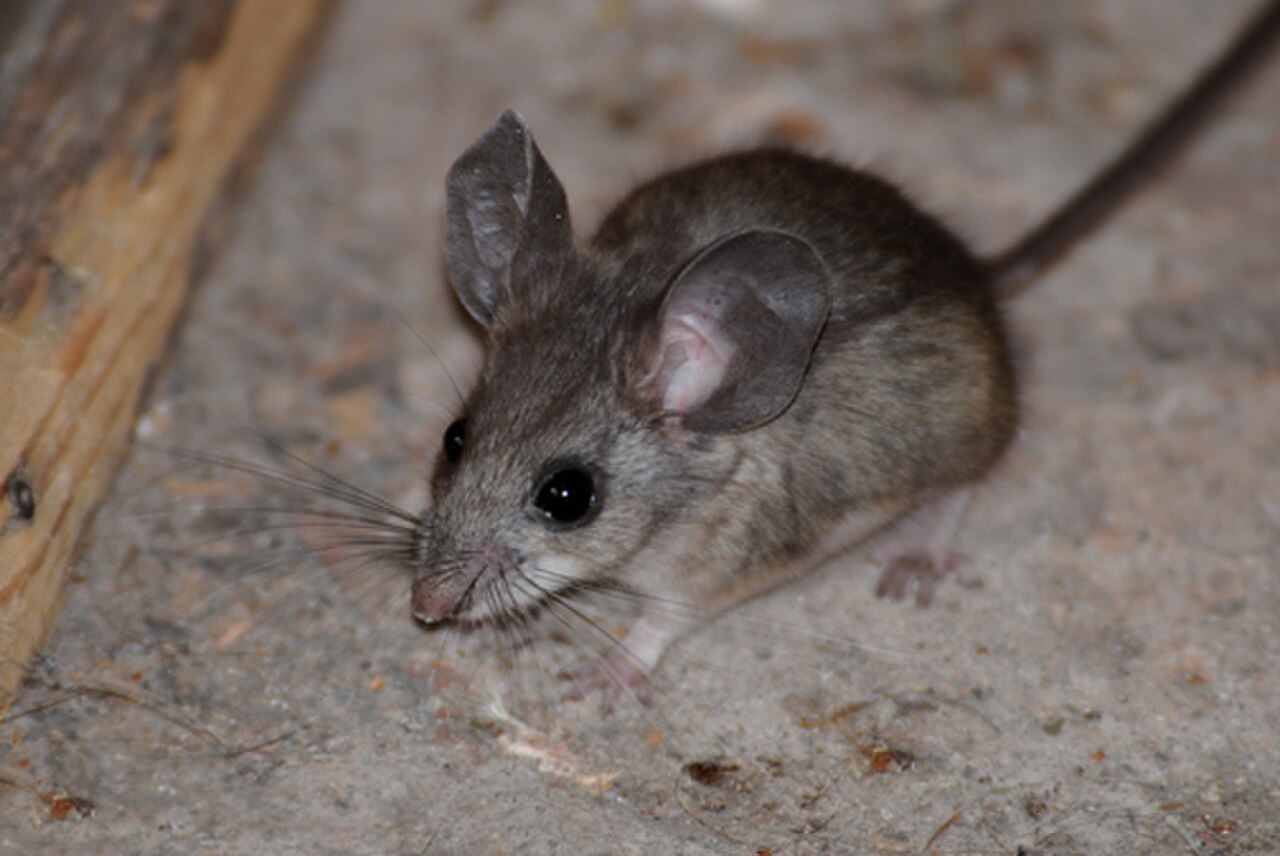
Licensed referenceNPS photo by Sally King / Public domain · cc0
—observations
—countries
—peak records
Least ConcernConservation statusIUCN Red List categoriesLCNTVUENCREWEXLeast ConcernRed List categories, explained →
Diet & prey
- Pinyon Pine Nuts
- Juniper Berries
- Insects
Predators
- Owls
- Rattlesnakes
- Coyotes
ThreatsHabitat loss, climate change, severe wildfires, invasive predators
HabitatsPinyon-juniper woodlands, rocky canyons, chaparral, arid brushlands
Life span1–2 years in the wild
Size / weightNot available
Classification
- FamilyCricetidae
- SpeciesPeromyscus truei
Range data is not available yet.
Interaction riskModerate
- Low
- Moderate
- High
- Very high
- Why interaction risk is moderate
- May transmit hantavirus or bite if cornered; observe wild rodents from a safe distance without handling.
- Why it is dangerous
- Wild deer mice can transmit hantavirus through inhaled aerosols of dried urine or feces, causing severe respiratory infection.
- How to recognize a risky encounter
- Recognized by remarkably large ears, brownish-buff upper body, white underbelly, and a long tail.
- What to do
- Avoid touching live or dead rodents, and never sweep dry droppings in enclosed spaces without proper ventilation.
Responsible observation
- Night Spotting: Look for activity around pinyon-juniper trees and rocky crevices using a dim red light.
- Safety First: Avoid handling wild mice or sweeping rodent droppings in enclosed areas to prevent pathogen exposure.
- Habitat Protection: Keep natural rock piles and downed wood intact to preserve essential shelter.
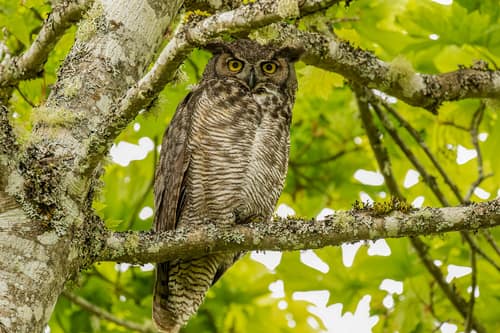
Predator "Great Horned Owl, the first I've seen in decent light this year. Didn't want to disturb it for too long so we continued along the trail" by island deborah- is licensed under CC BY-SA 2.0. To view a copy of this license, visit https://creativecommons.org/licenses/by-sa/2.0/. · cc-by-sa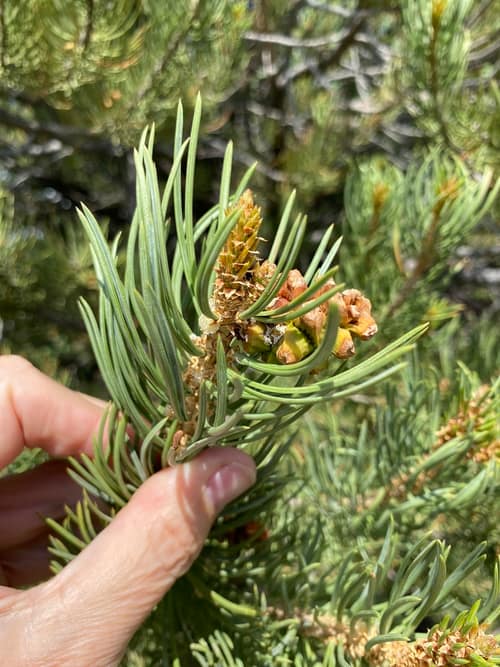
Host Plant no rights reserved · cc0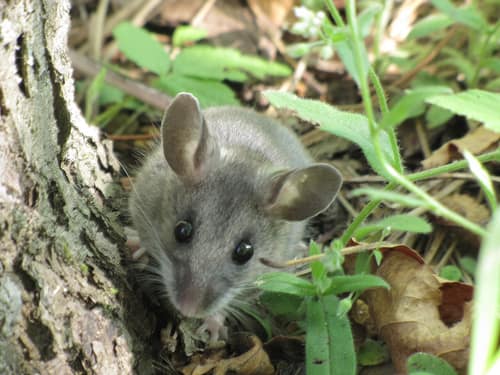
Close Relative Seney Natural History Association / CC BY-SA 2.0 · cc-by-sa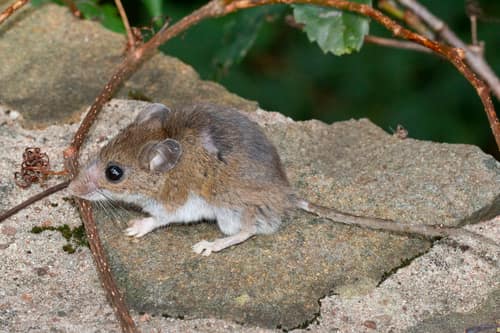
Close Relative (c) Kristof Zyskowski, some rights reserved (CC BY), uploaded by Kristof Zyskowski · cc-by
Help improve the field guideSomething wrong?
Checking your Fauna account…Report a name, category, or profile issue for review.