
Mammal · GBIF taxon 2437760
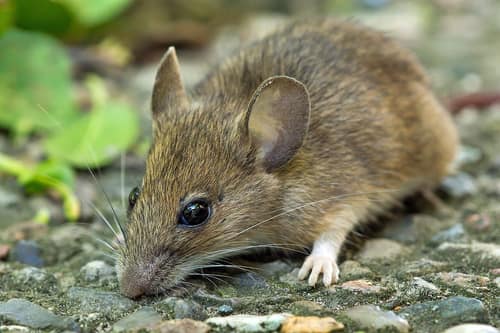
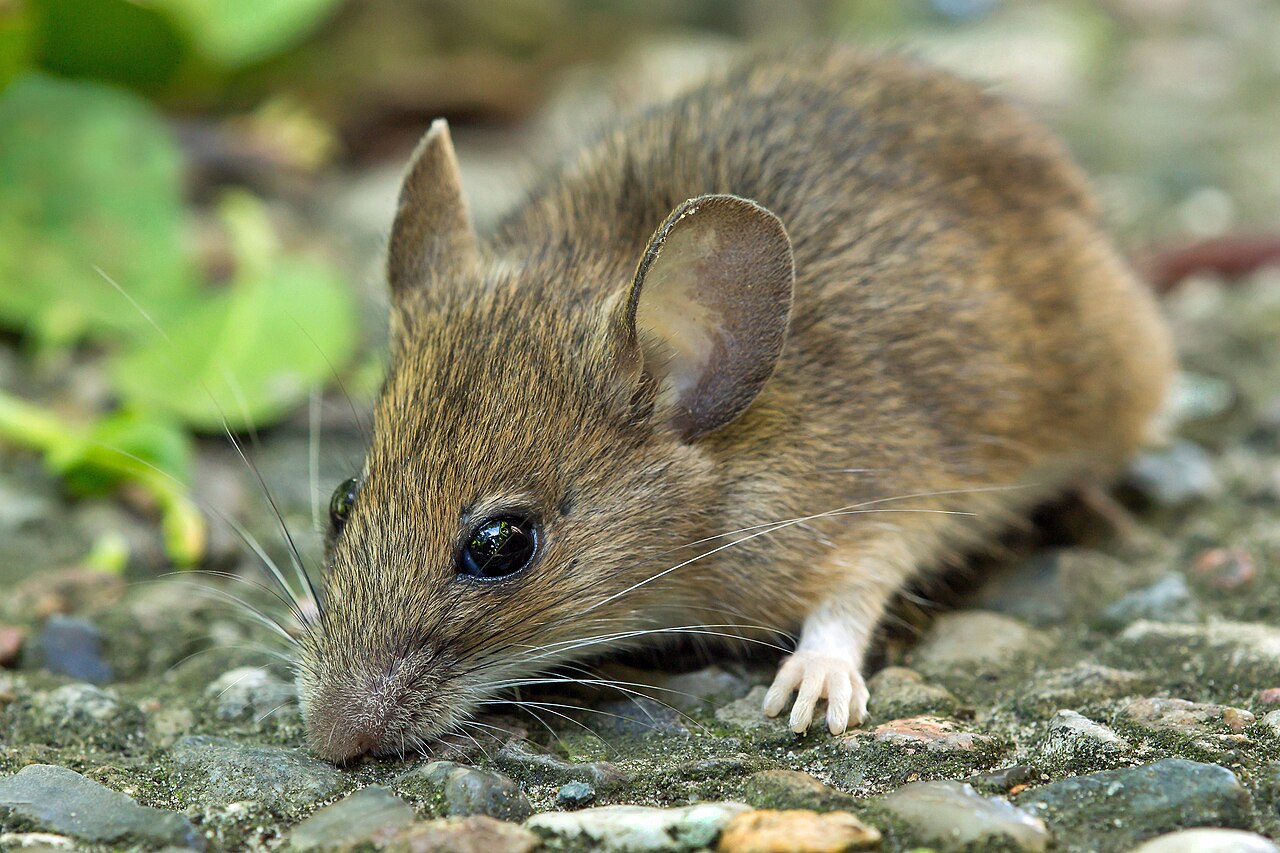
Wood Mouse
Apodemus sylvaticusAlso known as Long-tailed Field Mouse, Field Mouse, Common Field Mouse, European Wood Mouse
Wood mice bound through woodland undergrowth and hedgerows with remarkable agility, using their exceptionally long tails for balance during high leaps. Primarily nocturnal, these secretive rodents gather seeds, nuts, and berries to store in elaborate underground burrows complete with dedicated nesting chambers. While mostly active under cover of darkness, they frequently enter gardens and outbuildings during cold winter months in search of shelter and food.
NocturnalSmall MammalBurrowing
—observations
—countries
—peak records
Least ConcernConservation statusIUCN Red List categoriesLCNTVUENCREWEXLeast ConcernRed List categories, explained →
Diet & prey
- Tree Seeds
- Insects
- Berries
Predators
- Tawny Owl
- Red Fox
- Domestic Cat
ThreatsHabitat fragmentation, agricultural pesticides, and predation by domestic cats
HabitatsDeciduous forests, woodlands, hedgerows, arable land, and gardens
Life span1–2 years in the wild
Size / weightNot available
Classification
- OrderRodentia
- FamilyMuridae
- GenusApodemus
- SpeciesApodemus sylvaticus
Range data is not available yet.
Interaction riskModerate
- Low
- Moderate
- High
- Very high
- Why interaction risk is moderate
- Can carry hantavirus and bite if handled; observe without trapping or touching wild rodents.
- Why it is dangerous
- Wood mice can transmit hantaviruses through droppings and urine, and can deliver a sharp bite if cornered or handled.
- How to recognize a risky encounter
- Recognized by broad ears, large protruding dark eyes, soft reddish-brown back fur, and a white belly.
- What to do
- Do not handle live wild mice; wear protective gloves and use damp wipe methods when cleaning droppings.
Responsible observation
- Observe at night: Use a red-filtered light near woodland edges or garden feeding stations to watch nocturnal foraging.
- Avoid direct contact: Leave wild rodents unhandled to prevent bites and exposure to rodent-borne pathogens.
- Secure food sources: Store birdseed and pet food in sealed metal containers to prevent unwanted attic or shed visits.
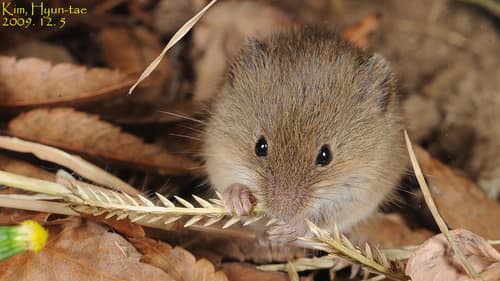
Competitor (c) Kim, Hyun-tae, some rights reserved (CC BY), uploaded by Kim, Hyun-tae · cc-by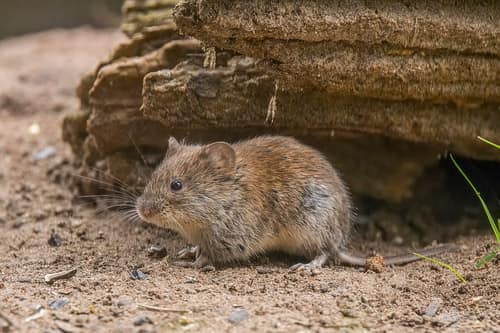
Co-occurring Rodent Charles J. Sharp / CC BY-SA 4.0 · cc-by-sa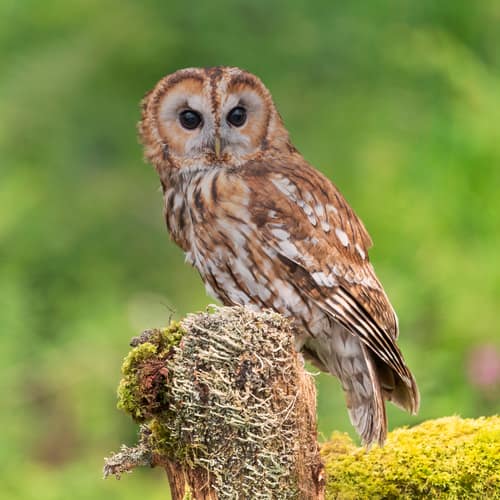
Predator (c) caroline legg, some rights reserved (CC BY) · cc-by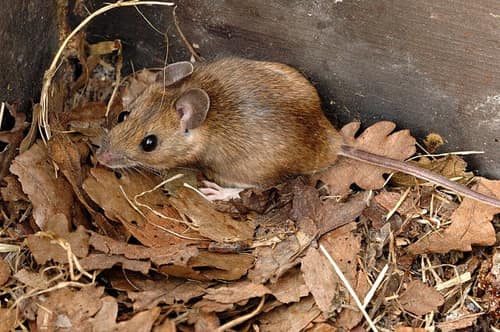
Close Relative James Lindsey / CC BY-SA 3.0 · cc-by-sa
Keep collecting in Fauna
Found in Collections
Ecosystem chain Pro
Mystic Meadows
Wood Mouse is found in this collection. Identify it in Fauna to fill this slot and continue your progress.
Unlock to track progress
Help improve the field guideSomething wrong?
Checking your Fauna account…Report a name, category, or profile issue for review.