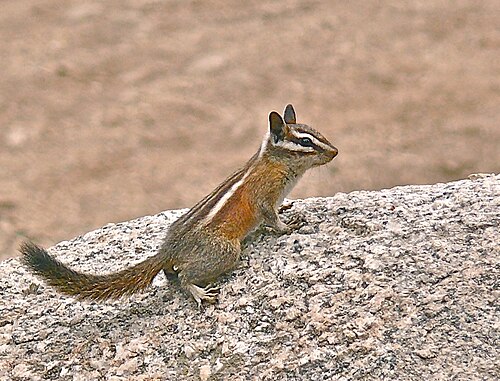
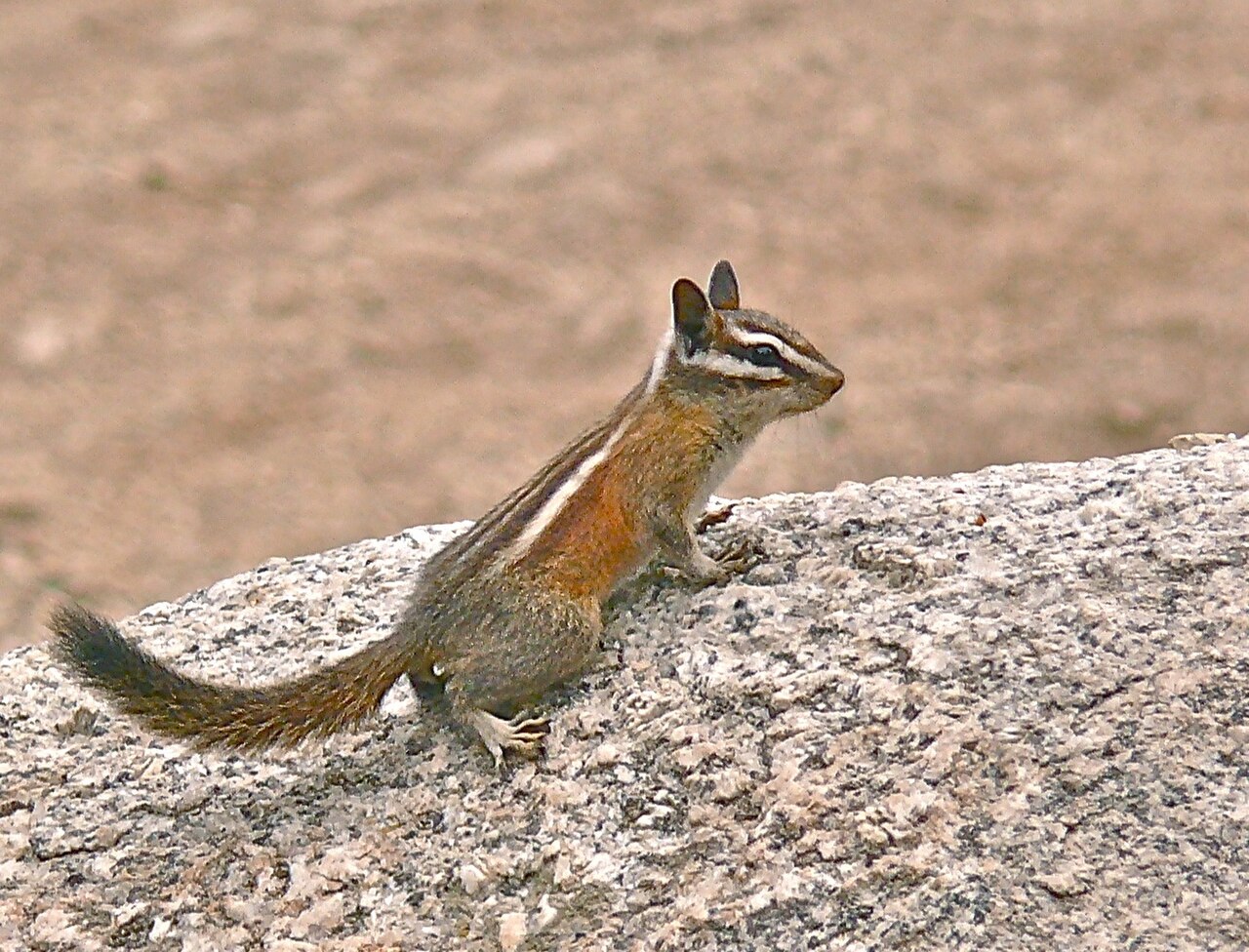
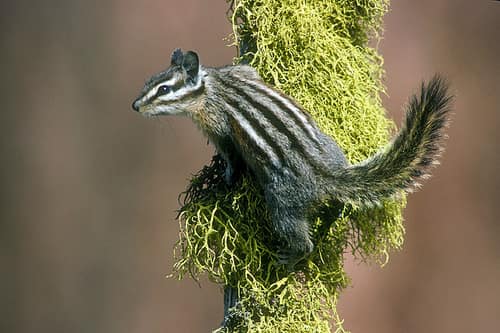
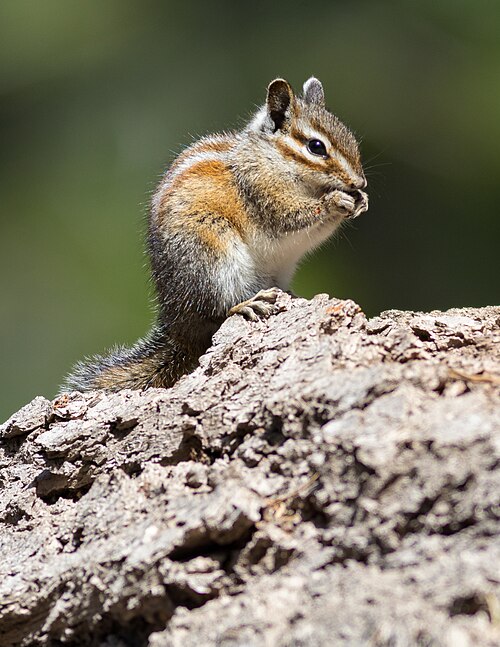
Also known as Tahoe Chipmunk, Sequoia Chipmunk, San Bernardino Chipmunk, Mount Pinos Chipmunk
Lodgepole chipmunks are exceptionally agile climbers, spending far more time scurrying through the high canopies of subalpine conifers than most other western chipmunks. They forage actively during warm daylight hours, stuffing cheek pouches with pine seeds, hypogeous fungi, and small insects to hoard in tree cavities or subterranean caches. During harsh winter blizzards, they retreat to insulated underground burrows and enter shallow torpor, waking periodically to feed on their stored supplies.
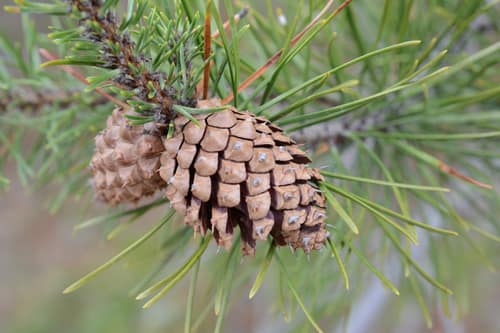
HabitatsSubalpine conifer forests, lodgepole pine woods, Jeffrey pine stands, and rocky granite outcrops
Life span4–5 years in the wild
Classification
FamilySciuridae
SpeciesTamias speciosus
Range & activity
Range data is not available yet.
Safe observation
Interaction riskModerate
Low
Moderate
High
Very high
Why interaction risk is moderate
Can harbor fleas that carry plague; observe from a distance and never feed or handle.
Why it is dangerous
Wild rodents in California subalpine regions carry fleas that harbor Yersinia pestis, the bacterium causing plague, and will bite defensively if grabbed.
How to recognize a risky encounter
Look for crisp black-and-white facial striping, bright white upper lateral stripes, and bold rufous sides on an agile tree climber.
What to do
Never touch, feed, or corner wild chipmunks, and keep pets leashed to prevent contact with rodent burrows and fleas.
Responsible observation
Keep Your Distance: Resist feeding them around campsites to avoid bites and disease transmission.
Look Up: Search the mid-canopy and high branches of pines rather than only looking on the forest floor.
Listen Carefully: Listen for their sharp, high-pitched chipping alarm calls echoing across granite slopes.