
Mammal · GBIF taxon 2437436
Palmer's Chipmunk
Tamias palmeriAlso known as Spring Mountains Chipmunk
Palmer's chipmunks thrive exclusively in the cool, high-elevation coniferous forests of Nevada's Spring Mountains, where they forage along rocky ledges and fallen timber. These energetic rodents spend warm months harvesting pine seeds, berries, and fungi to cache in underground burrows before cold winter weather arrives. Recognized by their bold facial stripes and rich brown coats, they play a vital role in forest regeneration by dispersing conifer seeds across their isolated mountain home.
EndemicMountain DwellerSeed Disperser
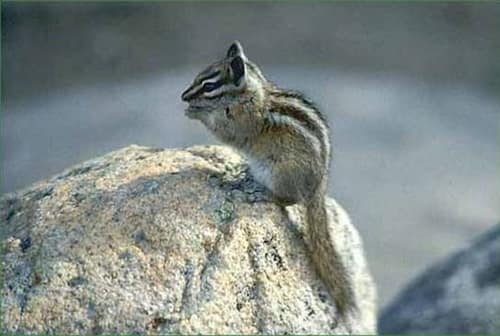
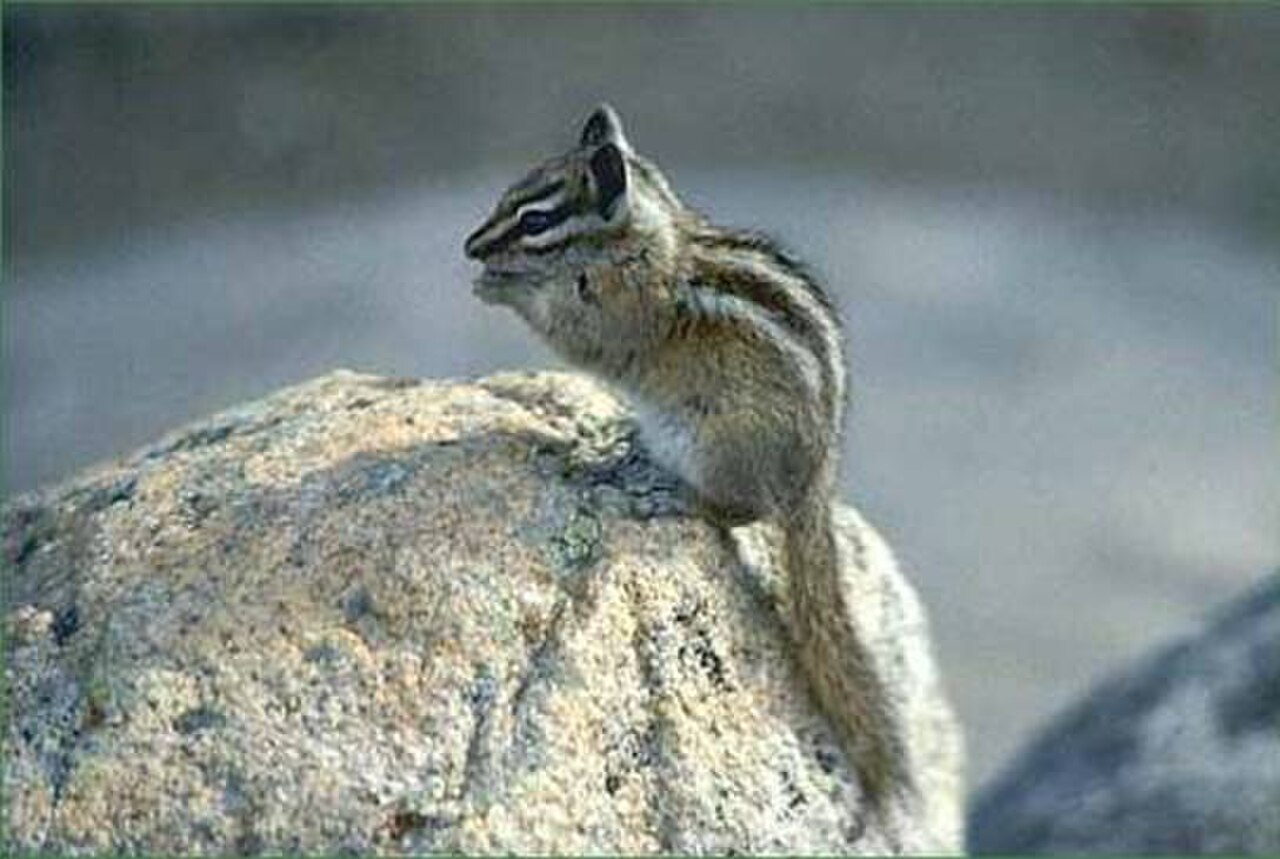
—observations
—countries
—peak records
EndangeredConservation statusIUCN Red List categoriesLCNTVUENCREWEXEndangeredRed List categories, explained →
Diet & prey
- Pine seeds
- Fungi
- Insects
Predators
- Hawks
- Coyotes
- Weasels
ThreatsHabitat loss, climate change, severe wildfires, recreational development
HabitatsHigh-elevation coniferous forests and subalpine sky islands
Life span1–4 years
Size / weightNot available
Classification
- FamilySciuridae
- SpeciesTamias palmeri
Range data is not available yet.
Interaction riskModerate
- Low
- Moderate
- High
- Very high
- Why interaction risk is moderate
- May bite if cornered and can carry wild rodent parasites; observe safely from a distance.
- Why it is dangerous
- Wild rodents can inflict sharp bites if cornered and potentially carry vector-borne pathogens like fleas.
- How to recognize a risky encounter
- Recognizable by dark and light facial stripes, buff sides, and small bushy tail in high Nevada pines.
- What to do
- Never attempt to catch or touch wild chipmunks; keep a respectful distance on trails.
- What to notice
- Found only above 2,000 meters elevation in the Spring Mountains of southern Nevada.
- Support conservation
- Stay on marked trails, pack out all trash, and avoid disrupting natural foraging grounds.
Responsible observation
- Observe from Distance: Watch quietly from designated trails to avoid disturbing foraging activity.
- Store Food Securely: Never feed wild chipmunks to prevent habituation and health issues.
- Protect Habitat: Stick to established paths to prevent erosion in sensitive high-elevation zones.
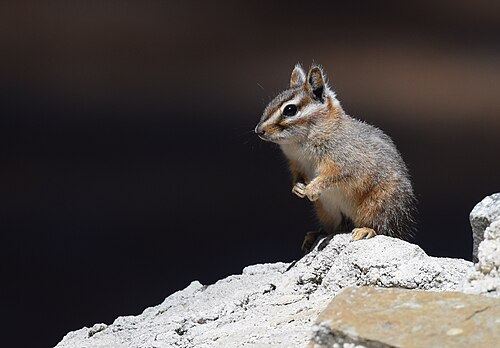
Competitor Andy Reago & Chrissy McClarren / CC BY 2.0 · cc-by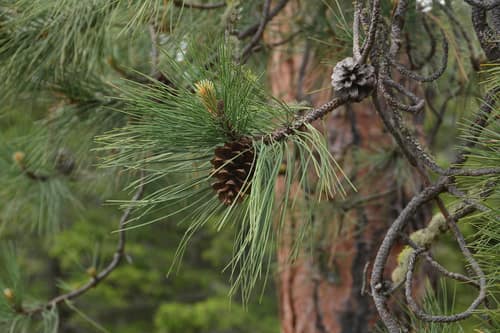
Food Source no rights reserved, uploaded by Julia Carr · cc0 Image unavailable
Close Relative
Help improve the field guideSomething wrong?
Checking your Fauna account…Report a name, category, or profile issue for review.