
Mammal · GBIF taxon 2437430
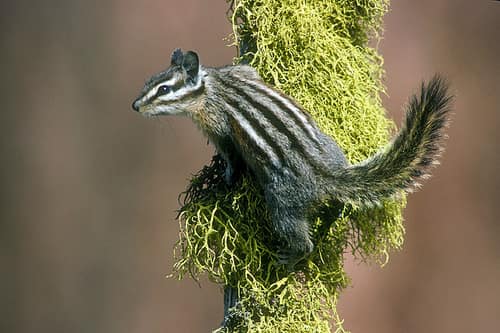
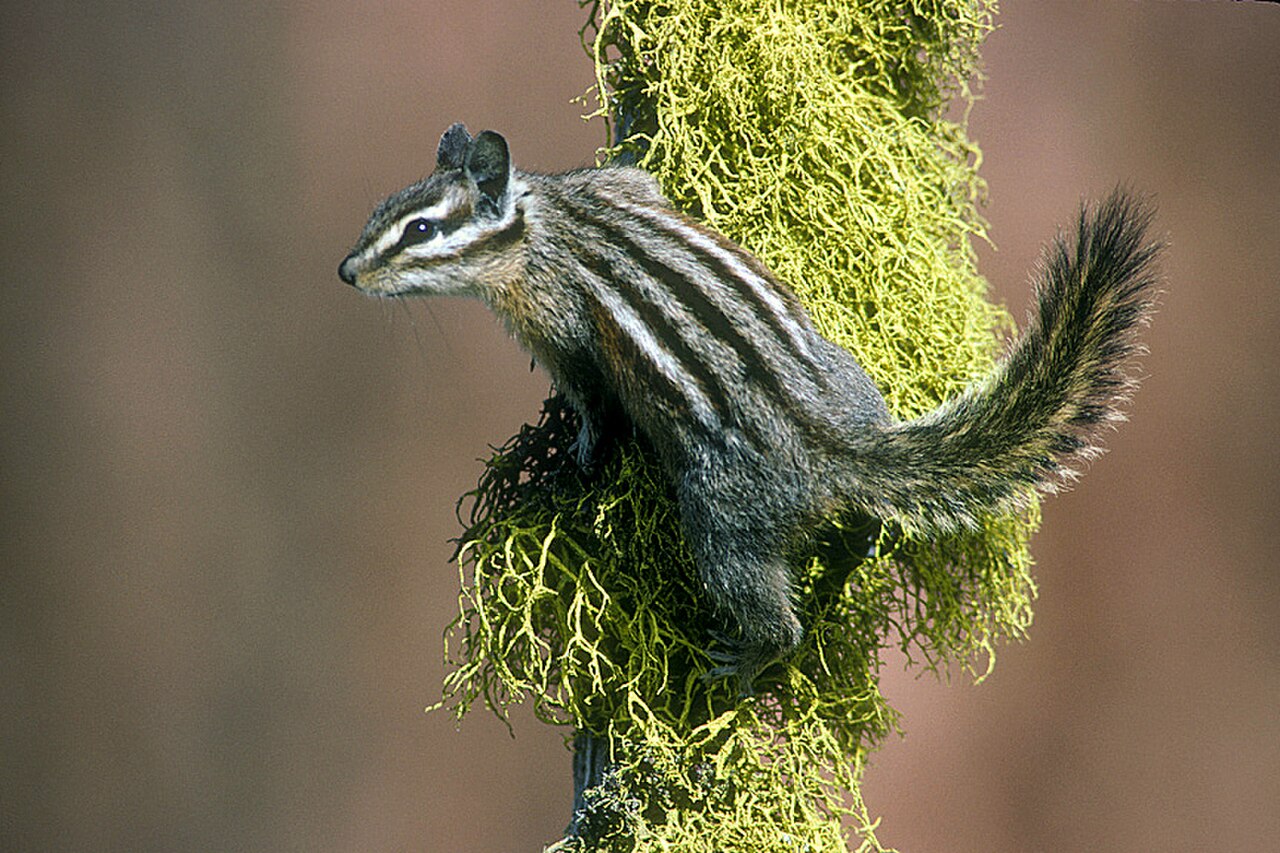
Yellow-pine Chipmunk
Tamias amoenusAlso known as Yellow Pine Chipmunk
Yellow-pine chipmunks are energetic, ground-dwelling rodents that thrive in the open coniferous forests of western North America. They spend their days gathering seeds, berries, and fungi, transporting them in expandable cheek pouches to underground burrows or scattered caches. During cold winter months, they enter periodic torpor, waking every few days to feed from their stored larders.
DiurnalForest DwellerSeed Disperser
—observations
—countries
—peak records
Least ConcernConservation statusIUCN Red List categoriesLCNTVUENCREWEXLeast ConcernRed List categories, explained →
Diet & prey
- Conifer seeds
- Berries
- Fungi
Predators
- Red-tailed Hawk
- Coyote
- Long-tailed Weasel
ThreatsHabitat fragmentation, severe wildfires, and local predator pressure
HabitatsDry coniferous forests, brushlands, and rocky slopes
Life span3–5 years in the wild
Size / weightNot available
Classification
- FamilySciuridae
- SpeciesTamias amoenus
Range data is not available yet.
Interaction riskLow
- Low
- Moderate
- High
- Very high
- Why interaction risk is low
- Safe to observe from a distance; may bite if cornered or handled.
Responsible observation
- Patience at Trailsides: Sit quietly along sunny forest clearings or rocky outcrops where they actively forage during early morning.
- Observe Cache Behavior: Look for individuals carrying bulging cheek pouches as they transport seeds to underground burrows.
- Keep Food Secured: Avoid feeding them directly, as human food disrupts their natural foraging habits.
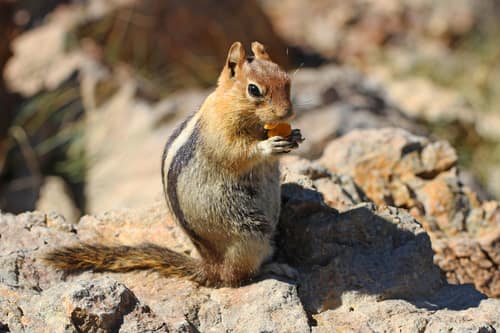
Competitor (c) Judy Gallagher, some rights reserved (CC BY-SA), uploaded by Judy Gallagher · cc-by-sa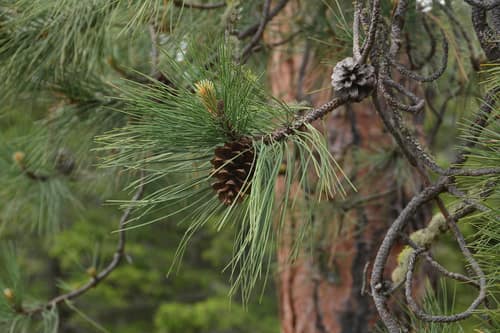
Food Source no rights reserved, uploaded by Julia Carr · cc0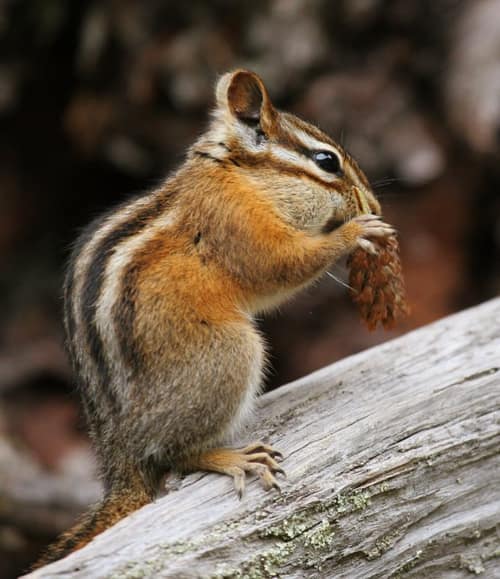
Close Relative Phil Armitage / Public domain · cc0 Image unavailable
Close Relative
Help improve the field guideSomething wrong?
Checking your Fauna account…Report a name, category, or profile issue for review.