
Mammal
Variable Squirrel
Callosciurus finlaysoniiAlso known as Finlayson's Squirrel
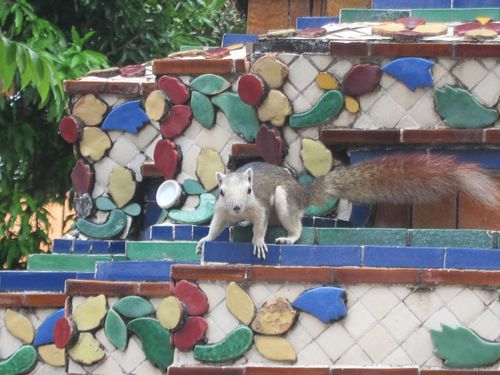
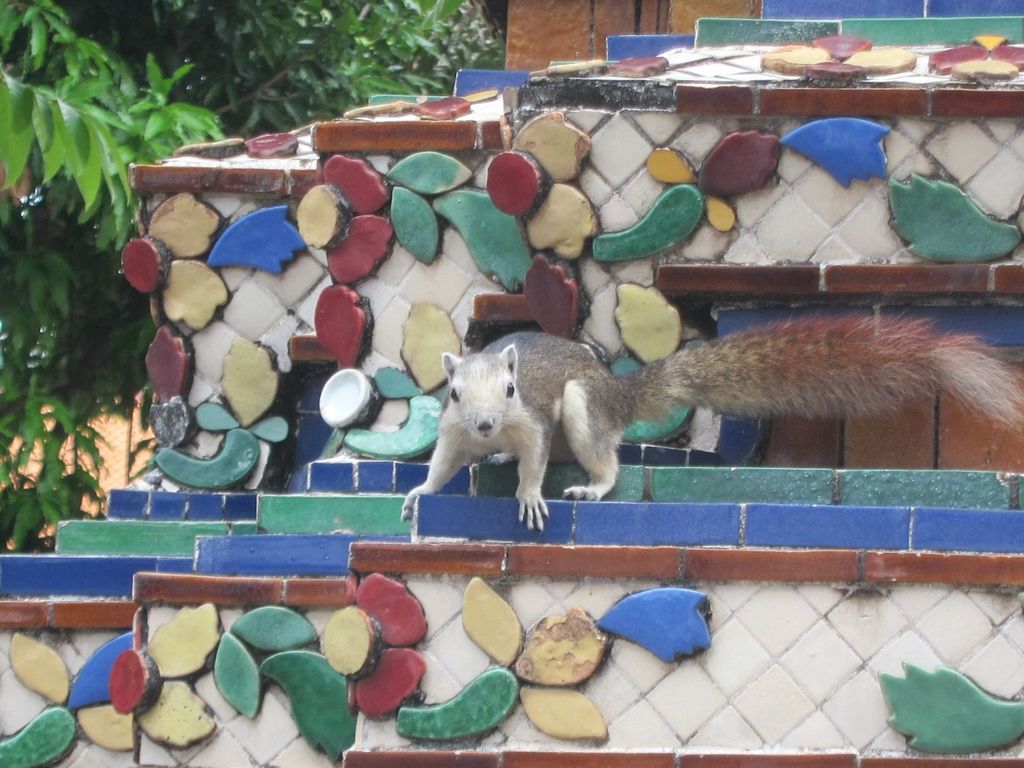
Variable squirrels are renowned for their extraordinary coat diversity, ranging from snowy white and jet black to vibrant shades of chestnut, olive, and banded agouti across different geographic populations. Highly active during daylight hours, these agile rodents spend most of their lives high in the forest canopy leaping across branches with remarkable precision. In urban areas like Bangkok, they have adapted seamlessly to city parks and gardens, readily exploiting ornamental plantings and flowering trees.
ArborealDiurnalPolymorphic
—observations
—countries
—peak records
Least ConcernConservation statusIUCN Red List categoriesLCNTVUENCREWEXLeast ConcernRed List categories, explained →
Diet & preyFicus figs, Hardwood tree seeds, Beetles and caterpillars
Predators
- Birds of prey
- Tree snakes
- Civets
ThreatsLocalized habitat loss, hunting, and pet trade capture, though populations remain robust
HabitatsTropical dry forests, moist lowland forests, coconut plantations, orchards, and urban parks
Life span6–10 years
Classification
- FamilySciuridae
- SpeciesCallosciurus finlaysonii
Range data is not available yet.
Interaction riskLow
- Low
- Moderate
- High
- Very high
- Why interaction risk is low
- Capable of delivering a sharp bite if cornered or handled; observe comfortably from a respectful distance.
- Why it is dangerous
- Possesses sharp, chisel-like incisors adapted for cracking hard nuts that can easily pierce human skin and cause infection.
- How to recognize a risky encounter
- Look for a slender, bushy-tailed arboreal squirrel with pelage ranging from pure white or black to red or agouti.
- What to do
- Never attempt to catch, corner, or pick up a grounded or injured squirrel; contact local wildlife rescuers instead.
Responsible observation
- Viewing Time: Look for active foraging in mid-morning and late afternoon when squirrels actively leap between canopy branches.
- Urban Parks: Scan flowering or fruiting shade trees in Southeast Asian cities, where acclimated individuals often tolerate quiet observers.
- Do Not Feed: Avoid offering processed human foods or attempting hand-feeding, which disrupts natural foraging and risks defensive bites.
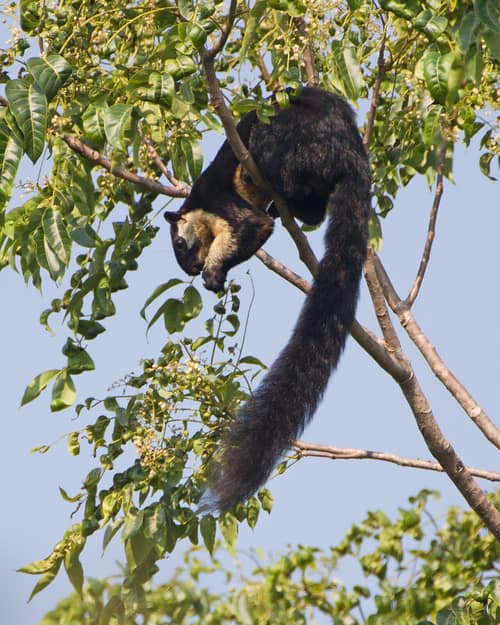
Competitor JJ Harrison (https://www.jjharrison.com.au/) / CC BY-SA 3.0 · cc-by-sa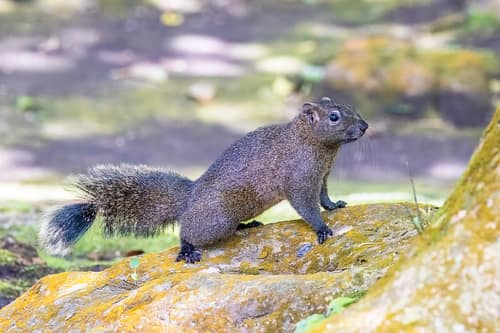
Close Relative Charles J. Sharp / CC BY-SA 4.0 · cc-by-sa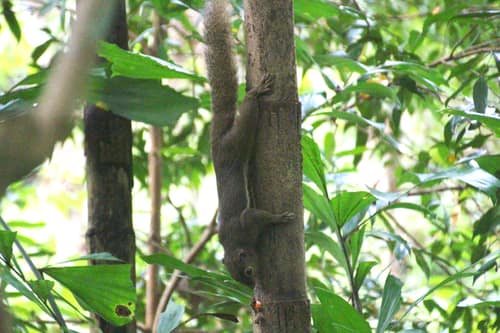
Close Relative (c) Huey, some rights reserved (CC BY) · cc-by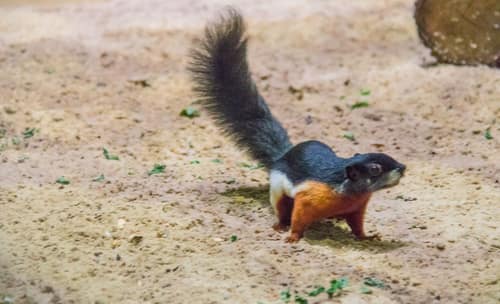
Close Relative "Prevost's squirrel" by Infomastern is licensed under CC BY-SA 2.0. To view a copy of this license, visit https://creativecommons.org/licenses/by-sa/2.0/. · cc-by-sa
Help improve the field guideSomething wrong?
Checking your Fauna account…Report a name, category, or profile issue for review.