
Mammal · GBIF taxon 2437397
Prevost's Squirrel
Callosciurus prevostiiAlso known as Asian Tri-coloured Squirrel, Tricolored Squirrel, Prevost's Tree Squirrel
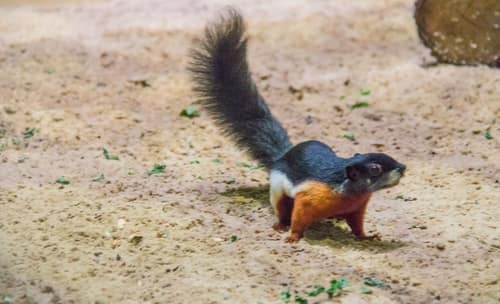
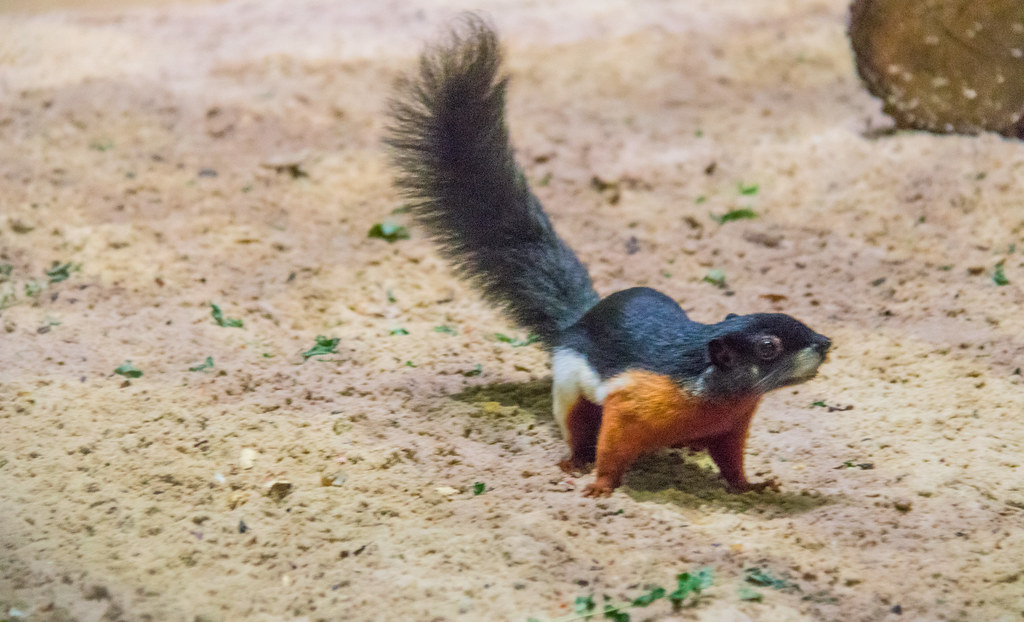
Prevost's squirrels flash vibrant tri-colored coats across Southeast Asian canopies, darting through branches with acrobatic agility in search of figs, seeds, and insects. Highly territorial pairs communicate through sharp, bird-like whistling calls accompanied by rhythmic tail-flicking when asserting feeding claims. They construct intricate spherical nests out of twigs, bark, and leaves high in tree forks, creating secure refuges against arboreal predators.
ArborealDiurnalColorful
—observations
—countries
—peak records
Least ConcernConservation statusIUCN Red List categoriesLCNTVUENCREWEXLeast ConcernRed List categories, explained →
Diet & prey
- Figs
- Oil Palm Fruit
- Insects
Predators
- Reticulated Python
- Crested Serpent Eagle
- Clouded Leopard
ThreatsHabitat loss from deforestation, agricultural expansion, and pet trade capture
HabitatsLowland rainforests, peat swamp forests, secondary growth, and plantations
Life span5–8 years in the wild; up to 15 years in captivity
Size / weightNot available
Classification
- FamilySciuridae
- SpeciesCallosciurus prevostii
Native
Interaction riskLow
- Low
- Moderate
- High
- Very high
- Why interaction risk is low
- Can deliver a sharp defensive bite if cornered or handled; observe peacefully from a distance.
- Why it is dangerous
- Chisel-like incisors designed for gnawing tough nuts can inflict deep, painful puncture wounds if handled.
- How to recognize a risky encounter
- Look for crisp tri-colored banding featuring a jet-black back, white side stripe, and reddish-chestnut underbelly.
- What to do
- Never attempt to catch, corner, or hand-feed wild squirrels; enjoy observations from ground level.
Responsible observation
- Canopy Scanning: Search mid-to-high forest tiers during early morning when foraging activity peaks.
- Listening for Calls: Listen for persistent metallic clucking and tail-flicking cues that reveal their location.
- Binocular Viewing: Use optics to appreciate the rich tri-colored pelage without crowding tree bases.
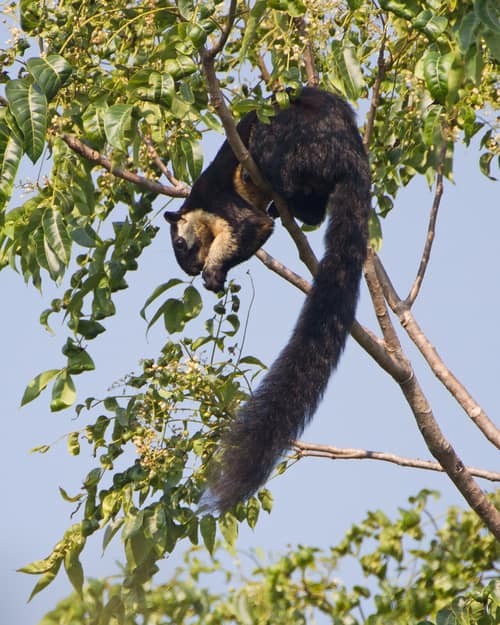
Competitor JJ Harrison (https://www.jjharrison.com.au/) / CC BY-SA 3.0 · cc-by-sa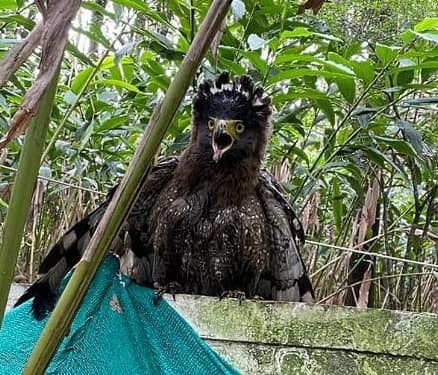
Predator (c) Seema Merchant, some rights reserved (CC BY) · cc-by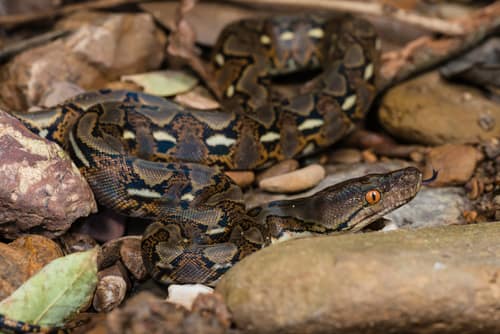
Predator (c) Rushen, some rights reserved (CC BY-SA) · cc-by-sa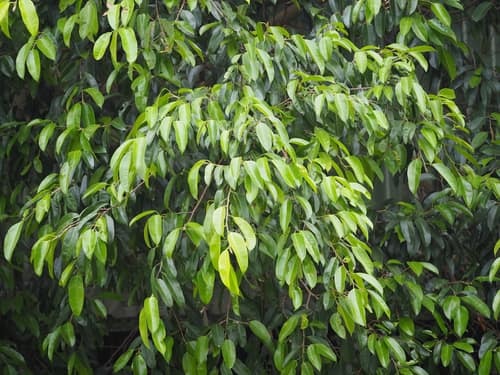
Food Plant no rights reserved, uploaded by 葉子 · cc0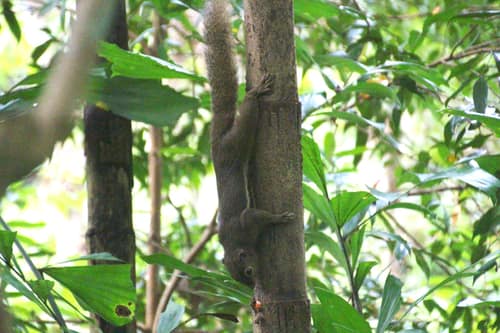
Close Relative (c) Huey, some rights reserved (CC BY) · cc-by
Help improve the field guideSomething wrong?
Checking your Fauna account…Report a name, category, or profile issue for review.