
Mammal
Black-capped Marmot
Marmota camtschaticaAlso known as Kamchatka Marmot
Black-capped marmots thrive in the rugged wilderness of eastern Siberia, distinguished by the striking dark fur covering their head and crown. Living in extended family colonies, they construct deep subterranean burrows beneath rocky scree slopes to survive harsh subzero winters. Their prolonged six- to eight-month hibernation requires intensive feeding throughout the brief alpine summer.
MammalAlpineCold-adapted
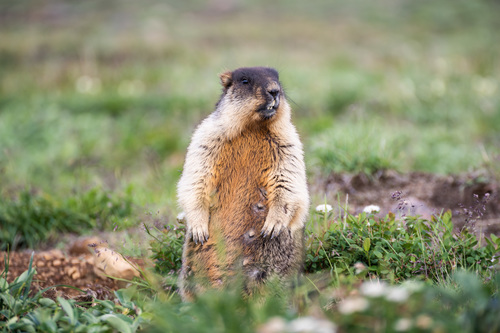
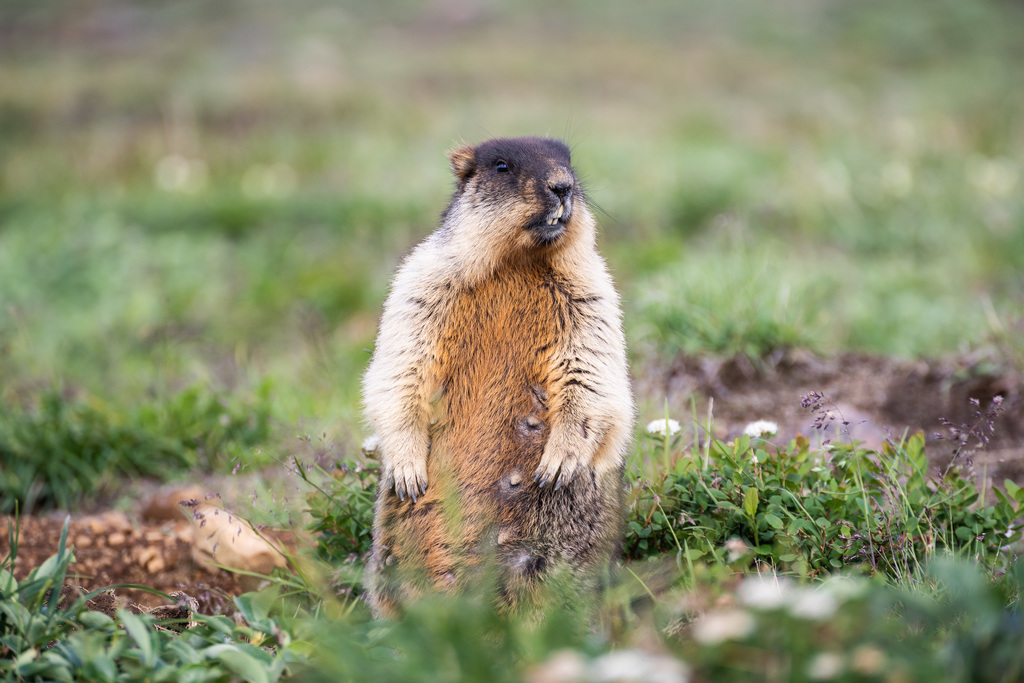
—observations
—countries
—peak records
Least ConcernConservation statusIUCN Red List categoriesLCNTVUENCREWEXLeast ConcernRed List categories, explained →
Diet & preyAlpine Grasses, Lichens, Mosses
Predators
- Golden Eagle
- Grizzly Bear
- Arctic Fox
ThreatsClimate change, localized hunting, and habitat disruption
HabitatsArctic tundra, alpine meadows, and rocky talus slopes
Life span10–15 years
Classification
- OrderRodentia
- FamilySciuridae
- GenusMarmota
- SpeciesMarmota camtschatica
Range data is not available yet.
Interaction riskLow
- Low
- Moderate
- High
- Very high
- Why interaction risk is low
- Defends itself with sharp teeth if cornered; observe quietly from a respectful distance.
Responsible observation
- Listen for Whistles: Sharp, high-pitched alarm calls signal their presence on rocky outcrops long before you spot them.
- Watch Scree Slopes: Scan rocky talus and alpine meadows near burrow entrances during early morning feeding periods.
- Keep a Distance: Give feeding colonies ample space to avoid triggering group alarm responses and retreats.
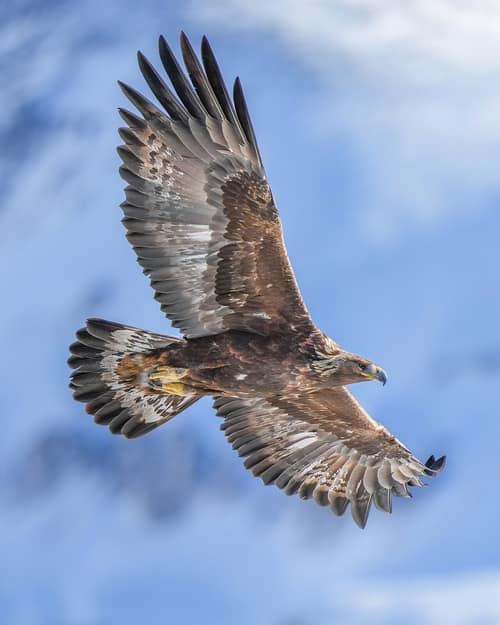
Predator Giles Laurent / CC BY-SA 4.0 · cc-by-sa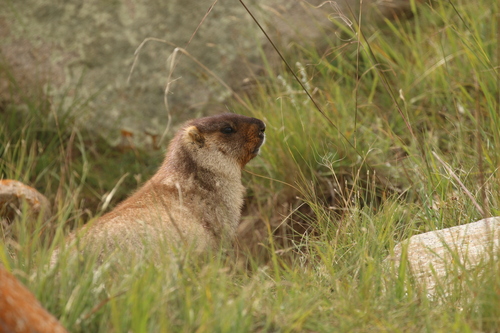
Close Relative no rights reserved, uploaded by Philip Precey · cc0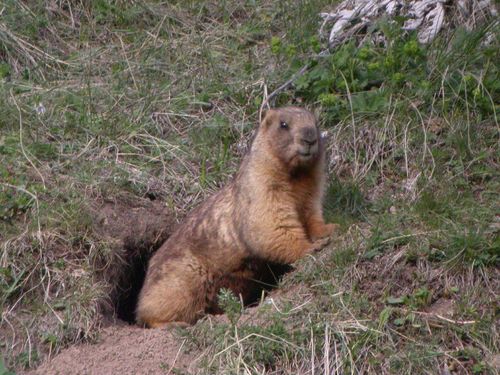
Close Relative (c) Alastair Rae, some rights reserved (CC BY-SA) · cc-by-sa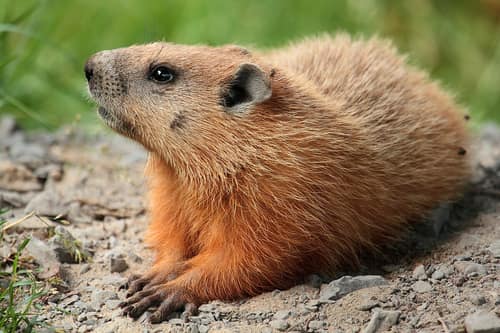
North American Relative Cephas / CC BY-SA 3.0 · cc-by-sa
Keep collecting in Fauna
Found in Collections
Ecosystem chain Pro
Alpine Heights
Black-capped Marmot is found in this collection. Identify it in Fauna to fill this slot and continue your progress.
Unlock to track progress
Help improve the field guideSomething wrong?
Checking your Fauna account…Report a name, category, or profile issue for review.