
Mammal · GBIF taxon 2436982
American Pika
Ochotona princepsAlso known as Little Chief Hare, Rock Rabbit, Whistling Hare
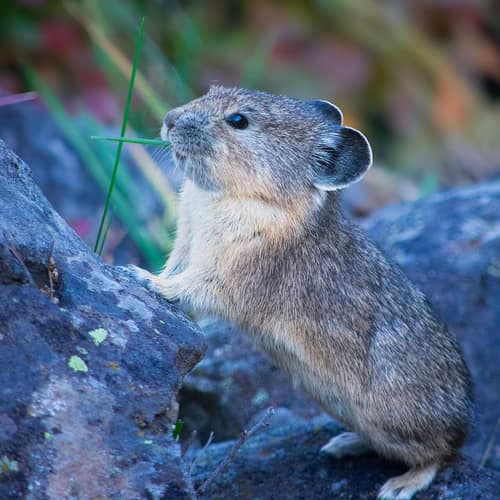
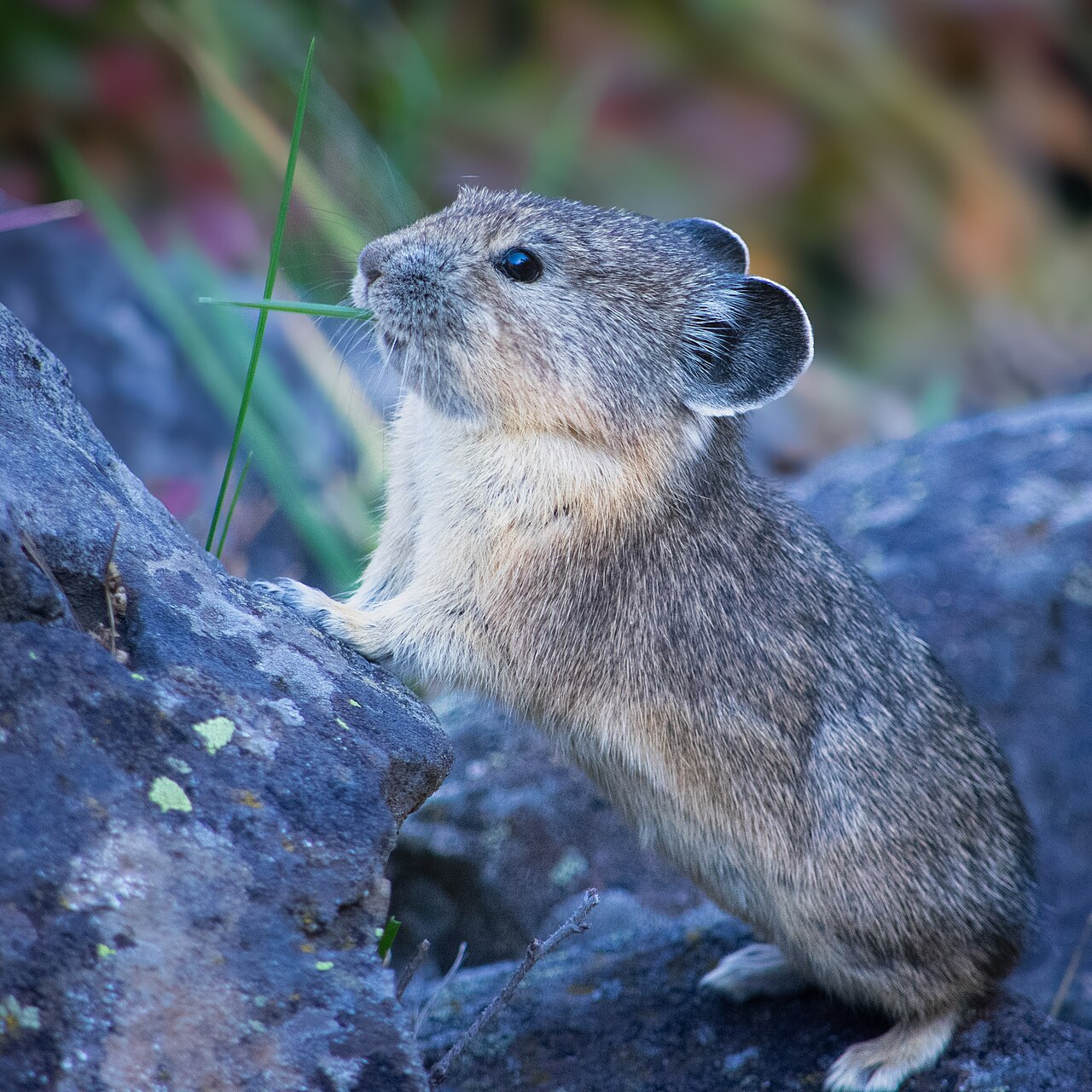
American pikas are high-elevation specialists that spend summer days busily curing grasses, wildflowers, and shrubs on sun-warmed talus slopes to build winter haypiles. Their high metabolic rate leaves them exceptionally sensitive to summer heat, driving them deep into cool interstitial spaces between boulders during midday temperature peaks. Sharp, high-pitched alarm calls reverberate across alpine meadows whenever raptors or stoats appear overhead.
AlpineDiurnalHerbivore
—observations
—countries
—peak records
Least ConcernConservation statusIUCN Red List categoriesLCNTVUENCREWEXLeast ConcernRed List categories, explained →
Diet & prey
- Alpine Grasses
- Wildflowers
- Sedges
Predators
- Ermine
- Golden Eagle
- Coyote
ThreatsClimate change, rising summer temperatures, and habitat fragmentation
HabitatsAlpine talus slopes, rock slides, and mountain fields
Life span3–7 years
Size / weightNot available
Classification
- OrderLagomorpha
- FamilyOchotonidae
- GenusOchotona
- SpeciesOchotona princeps
Native
Interaction riskLow
- Low
- Moderate
- High
- Very high
- Why interaction risk is low
- Safe to observe at a normal distance.
- What to notice
- Look for small, egg-shaped brownish mammals with large rounded ears scurrying along high-altitude rock slides.
- Support conservation
- Remain on designated alpine trails and observe quietly to avoid triggering stress in hot weather.
Responsible observation
- Listen Carefully: Scan rocky slopes when you hear a sharp, metallic eep sound.
- Watch from Afar: Use binoculars near talus fields to view them gathering food without causing stress.
- Stay on Trails: Avoid scrambling over alpine rock slides to preserve fragile pika haypiles.
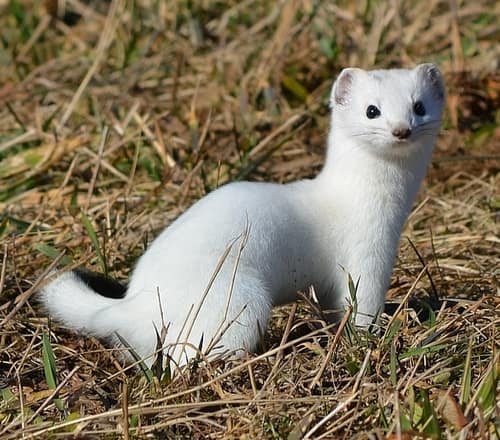
Predator (c) E. A., some rights reserved (CC BY), uploaded by E. A. · cc-by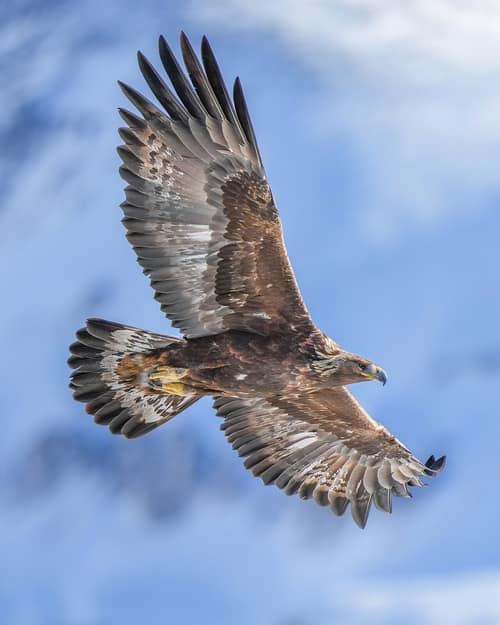
Predator Giles Laurent / CC BY-SA 4.0 · cc-by-sa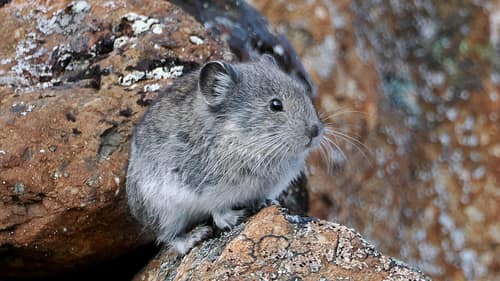
Close Relative steve b / CC0 · cc0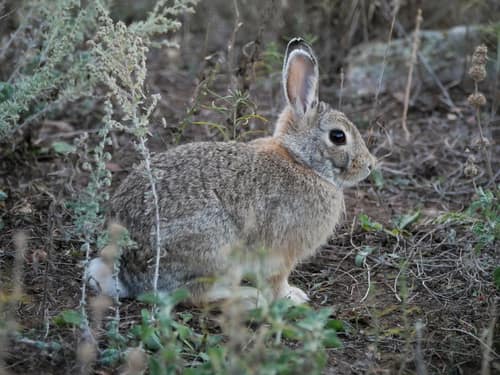
Close Relative (c) ayden, some rights reserved (CC BY), uploaded by ayden · cc-by
Keep collecting in Fauna
Found in Collections
Ecosystem chain Pro
Alpine Heights
American Pika is found in this collection. Identify it in Fauna to fill this slot and continue your progress.
Unlock to track progress
Help improve the field guideSomething wrong?
Checking your Fauna account…Report a name, category, or profile issue for review.