
Mammal · GBIF taxon 2436854
Mountain Cottontail
Sylvilagus nuttalliiAlso known as Nuttall's Cottontail
Mountain cottontails navigate the rocky slopes and sagebrush basins of western North America with agility, relying on dense shrub cover for shelter and forage. They feed mostly during twilight and nocturnal hours, nibbling on grasses, sagebrush, and bark while keeping a sharp lookout for aerial and ground predators. When startled, these solitary lagomorphs leap in rapid zig-zag patterns to reach cover or duck into rock crevices.
HerbivoreMontaneCrepuscular
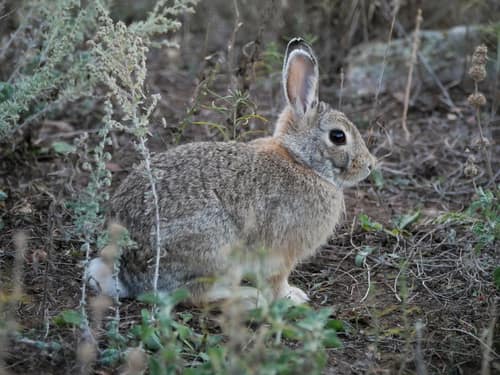
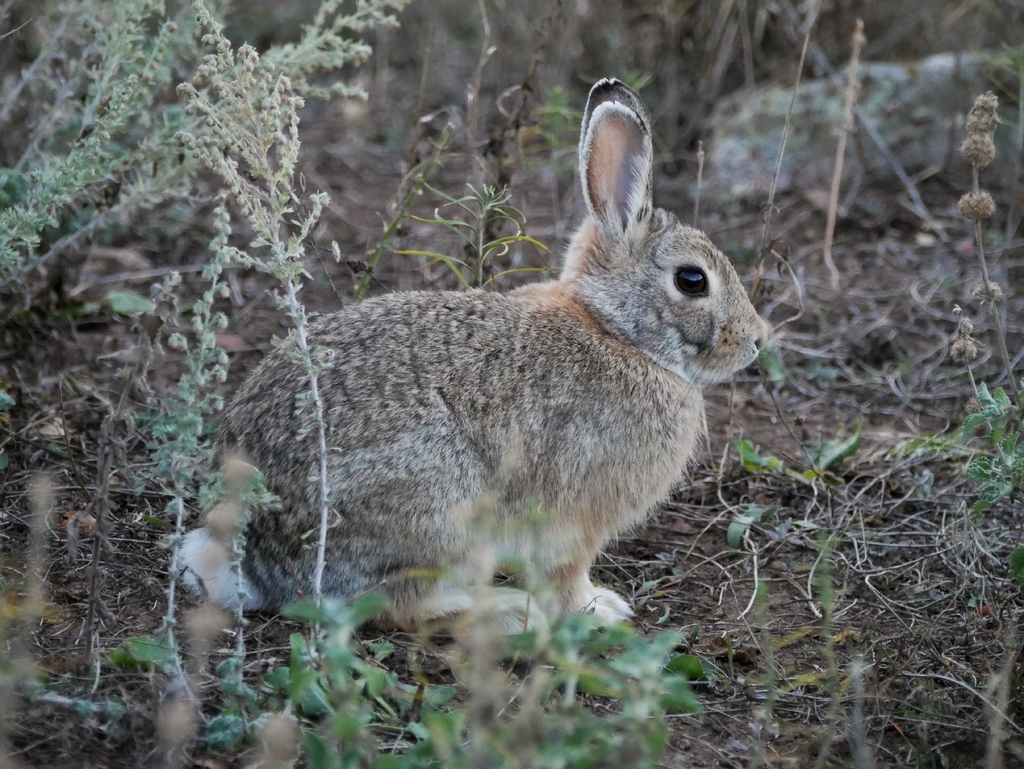
—observations
—countries
—peak records
Least ConcernConservation statusIUCN Red List categoriesLCNTVUENCREWEXLeast ConcernRed List categories, explained →
Diet & prey
- Herbivore
Predators
- Coyote
- Bobcat
- Great Horned Owl
ThreatsPredation, habitat loss, severe winter weather, wildfire
HabitatsConiferous forests, sagebrush scrub, mountain slopes
Life span3–7 years
Size / weightNot available
Classification
- OrderLagomorpha
- FamilyLeporidae
- GenusSylvilagus
- SpeciesSylvilagus nuttallii
Range data is not available yet.
Interaction riskLow
- Low
- Moderate
- High
- Very high
- Why interaction risk is low
- Capable of a quick scratch or bite if cornered; observe quietly from a respectful distance.
Responsible observation
- Binocular Viewing: Use optics from a distance to observe natural feeding behaviors without triggering a flight response.
- Crepuscular Watching: Scan sagebrush edges during dusk and dawn when rabbits emerge to forage.
- Quiet Approach: Avoid sudden movements and loud footsteps, as sensitive ears detect approaching danger easily.
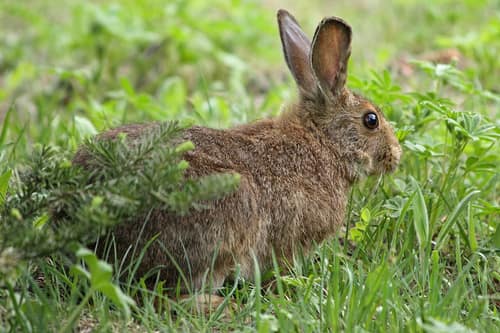
Competitor Lepus_americanus_5459.JPG: Walter Siegmund (talk) derivative work: Wsiegmund / CC BY-SA 3.0 · cc-by-sa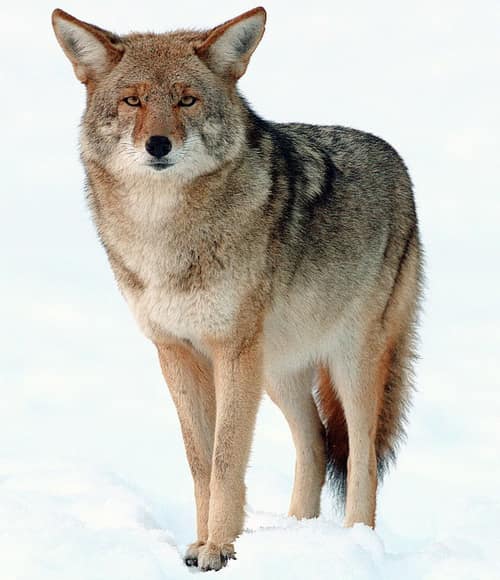
Predator Yathin S Krishnappa / CC BY-SA 3.0 · cc-by-sa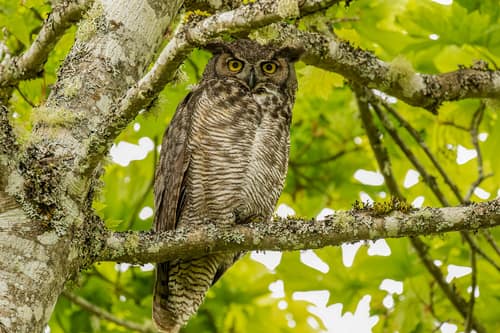
Predator "Great Horned Owl, the first I've seen in decent light this year. Didn't want to disturb it for too long so we continued along the trail" by island deborah- is licensed under CC BY-SA 2.0. To view a copy of this license, visit https://creativecommons.org/licenses/by-sa/2.0/. · cc-by-sa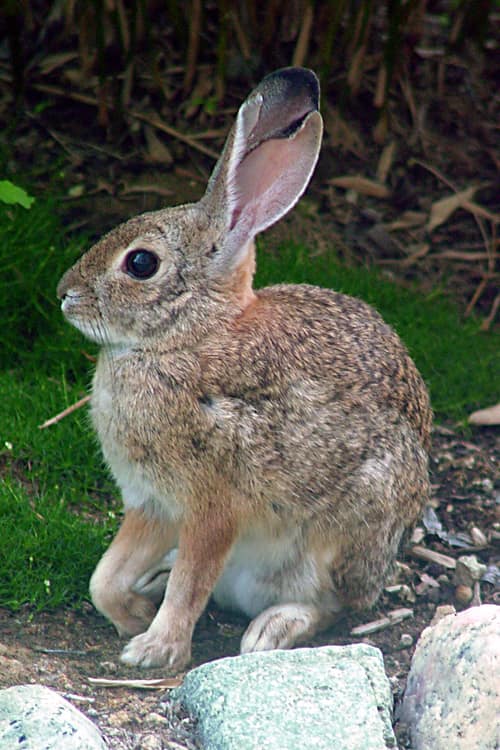
Close Relative Holly Cheng / CC BY-SA 3.0 · cc-by-sa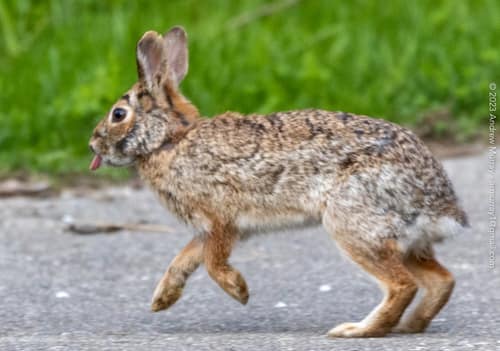
Close Relative (c) Andrew Murray, some rights reserved (CC BY), uploaded by Andrew Murray · cc-by
Keep collecting in Fauna
Found in Collections
Ecosystem chain Pro
Mystic Meadows
Mountain Cottontail is found in this collection. Identify it in Fauna to fill this slot and continue your progress.
Unlock to track progress
Help improve the field guideSomething wrong?
Checking your Fauna account…Report a name, category, or profile issue for review.