
Mammal
Black-Tailed Jackrabbit
Lepus californicusAlso known as American Desert Hare, California Jackrabbit
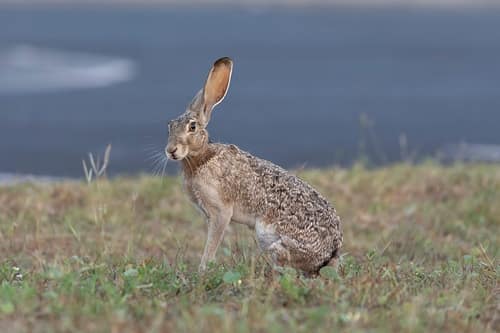
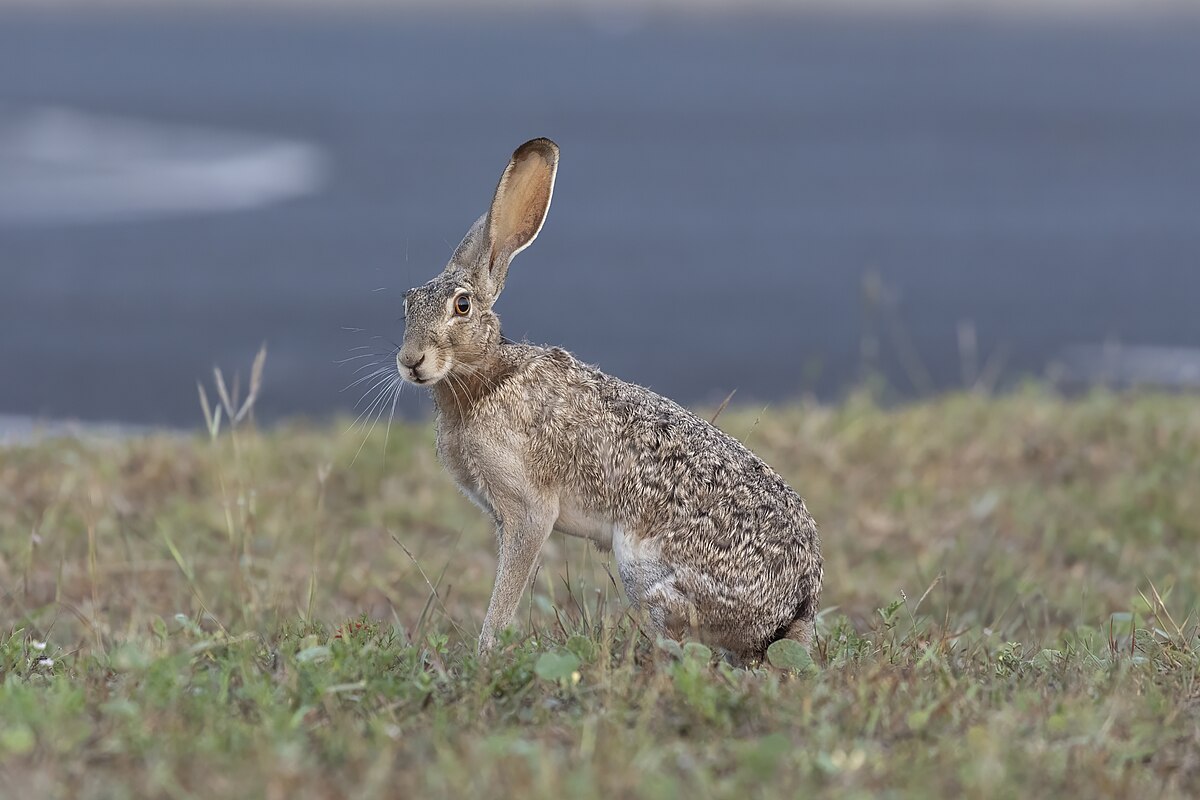
Black-tailed jackrabbits survive harsh desert environments by regulating body temperature through the extensive network of blood vessels in their oversized ears. They rely on high-speed bursts up to 40 miles per hour and erratic zig-zag bounds to escape predators across open scrubland. Born precocial with full fur and open eyes, leverets scatter shortly after birth to avoid attracting hungry hunters.
Fast RunnerArid AdaptationNocturnal
—observations
—countries
—peak records
Least ConcernConservation statusIUCN Red List categoriesLCNTVUENCREWEXLeast ConcernRed List categories, explained →
Diet & preyGrasses, Prickly Pear Cactus, Sagebrush
Predators
- Coyote
- Red-Tailed Hawk
- Bobcat
ThreatsVehicle collisions, habitat loss, predation
HabitatsDeserts, scrublands, grasslands, pastures
Life span2–5 years
Classification
- OrderLagomorpha
- FamilyLeporidae
- GenusLepus
- SpeciesLepus californicus
Range data is not available yet.
Interaction riskModerate
- Low
- Moderate
- High
- Very high
- Why interaction risk is moderate
- Can carry ticks, fleas, and tularemia; observe from a distance and avoid touching.
- Why it is dangerous
- Carries Francisella tularensis, the bacterium causing tularemia, which can transfer to humans via flea bites or direct contact.
- How to recognize a risky encounter
- Recognized by huge, black-tipped ears and a prominent black stripe along the top of the tail.
- What to do
- Keep pets away and never handle wild hares, especially those appearing sluggish or sick.
Responsible observation
- Patience: Watch quietly at dawn or dusk when these nocturnal foragers are most active.
- Keep Distance: Maintain a respectful buffer to avoid causing stressful high-speed escapes.
- Look for Ears: Scan brushy field edges for tall ears sticking up above the vegetation.
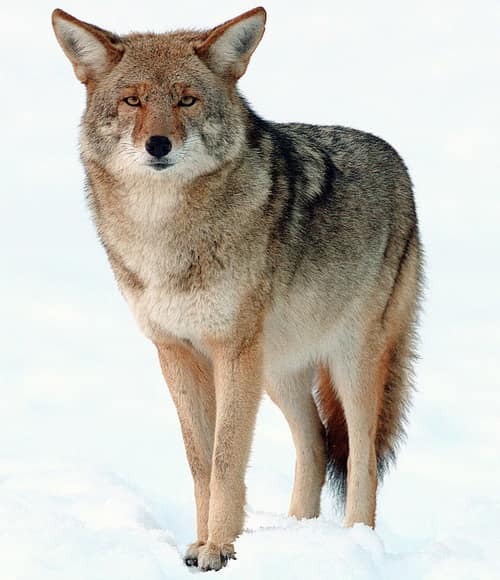
Predator Yathin S Krishnappa / CC BY-SA 3.0 · cc-by-sa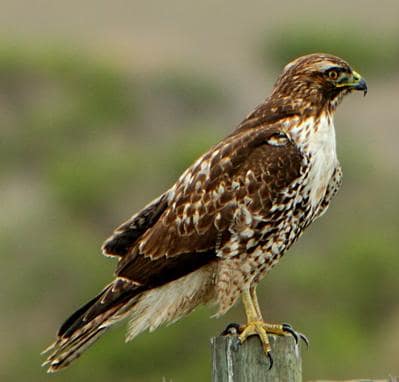
Predator Buteo_jamaicensis_1.jpg: Alan Vernon derivative work: Berichard (talk) / CC BY 2.0 · cc-by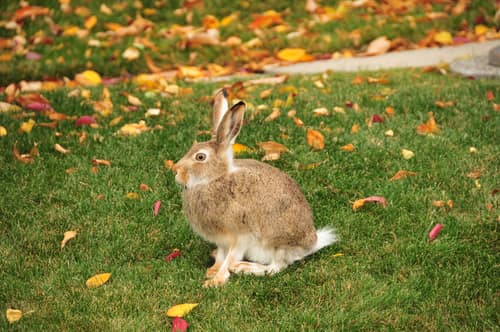
Close Relative (c) TheIguana, some rights reserved (CC BY-SA) · cc-by-sa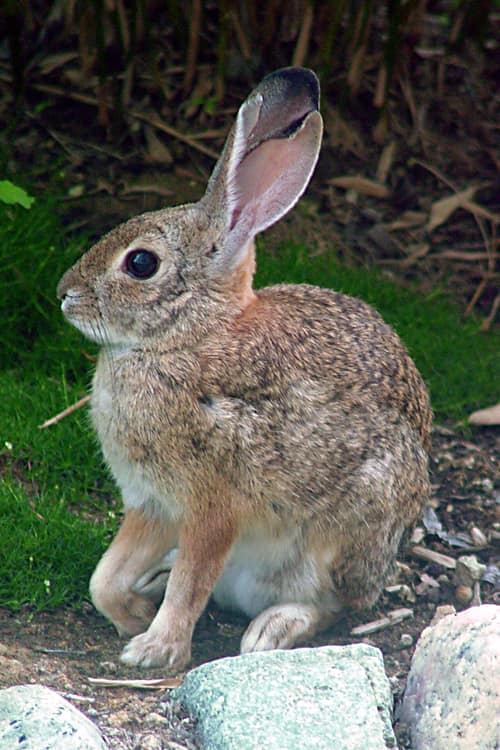
Close Relative Holly Cheng / CC BY-SA 3.0 · cc-by-sa
Keep collecting in Fauna
Found in Collections
Ecosystem chain Pro
Mystic Meadows
Black-Tailed Jackrabbit is found in this collection. Identify it in Fauna to fill this slot and continue your progress.
Unlock to track progress
Help improve the field guideSomething wrong?
Checking your Fauna account…Report a name, category, or profile issue for review.