
Mammal · GBIF taxon 2436708
Antelope Jackrabbit
Lepus alleniAlso known as Allen's Hare, Antelope Hare
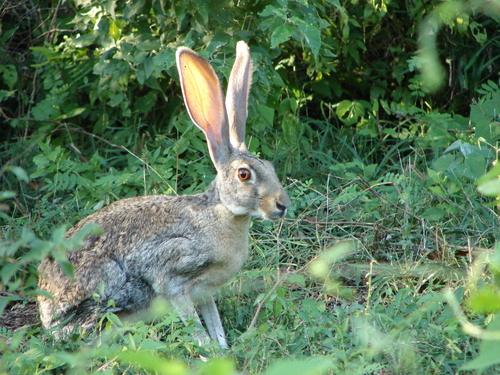
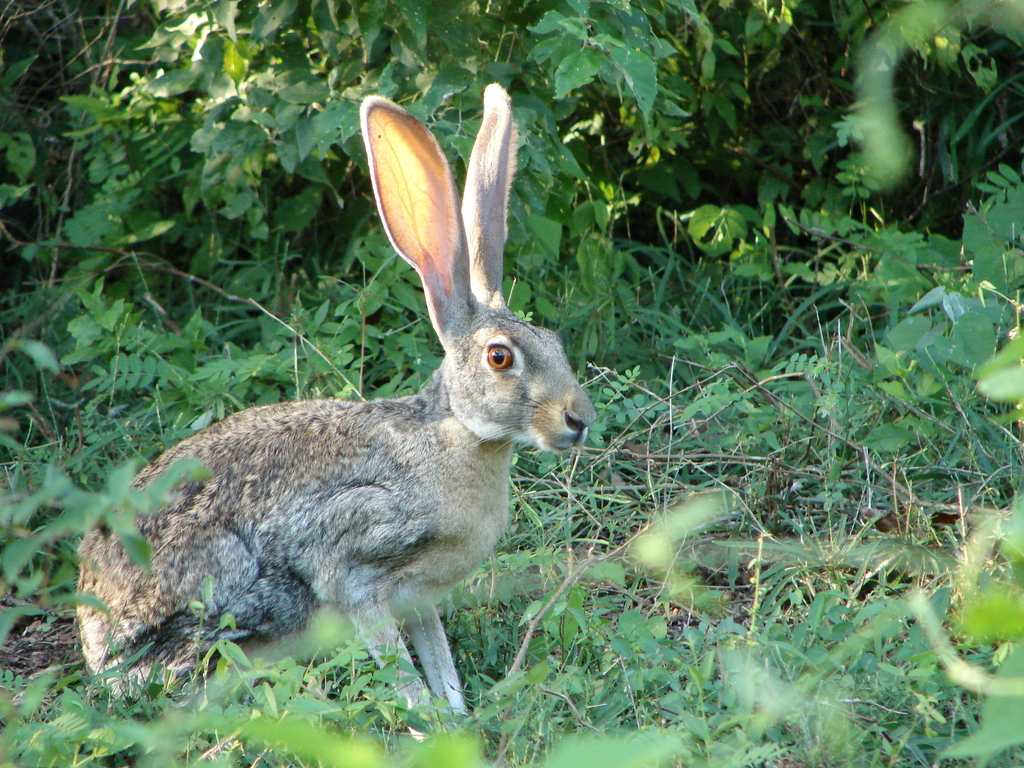
Antelope jackrabbits sprint across desert scrublands at speeds reaching 35 miles per hour, flashing white patches on their flanks to disorient watching predators. Their enormous, thinly furred ears measure up to eight inches long and function as biological radiators, circulating blood to release body heat during intense Sonoran Desert summers. Females give birth to fully furred, open-eyed leverets in shallow ground scrapes hidden beneath mesquite or creosote bushes.
DesertMammalNocturnal
—observations
—countries
—peak records
Least ConcernConservation statusIUCN Red List categoriesLCNTVUENCREWEXLeast ConcernRed List categories, explained →
Diet & prey
- Grasses
- Prickly pear cactus
- Mesquite foliage
Predators
- Coyotes
- Bobcats
- Golden Eagles
ThreatsHabitat loss from agriculture, vehicle collisions, extreme drought
HabitatsArid desert scrub, grassy plains, Sonoran Desert valleys
Life span3–5 years in the wild
Size / weightNot available
Classification
- FamilyLeporidae
- SpeciesLepus alleni
Range data is not available yet.
Interaction riskLow
- Low
- Moderate
- High
- Very high
- Why interaction risk is low
- Generally flees quickly; maintain distance and never attempt to handle or corner wild individuals.
Responsible observation
- Observation timing: Scan dry washes and open flats around dawn and dusk when foraging activity peaks.
- Maintain distance: Observe with binoculars from a distance to avoid triggering high-speed escape leaps.
- Watch for white flashes: Look for bright white flank patches flashing through the brush as they run.
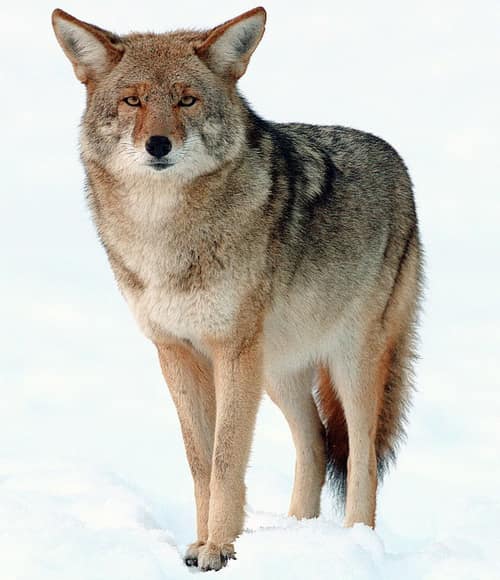
Predator Yathin S Krishnappa / CC BY-SA 3.0 · cc-by-sa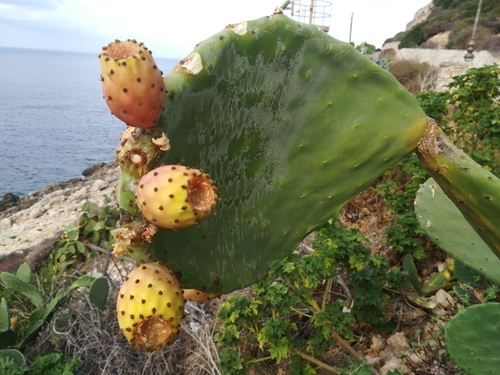
Food Source no rights reserved, uploaded by Francesco Cecere · cc0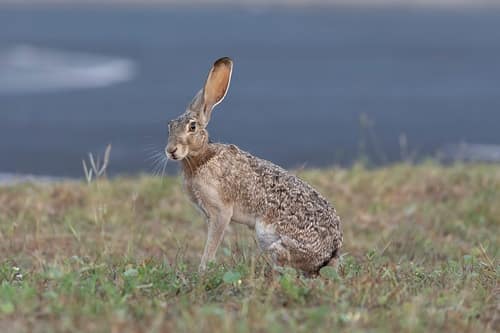
Close Relative Chuck Homler d/b/a Focus On Wildlife / CC BY-SA 4.0 · cc-by-sa
Help improve the field guideSomething wrong?
Checking your Fauna account…Report a name, category, or profile issue for review.