
Mammal · GBIF taxon 2436696
Arctic Hare
Lepus arcticusAlso known as Polar Hare
Arctic hares are masterfully adapted to extreme freezing conditions, sporting dense white coats in winter that camouflage them against vast snowfields. In summer, their fur shifts to a brownish-grey hue to blend into rocky tundra landscapes, while shortened ears and limbs minimize body heat loss. Though often foraging alone, individuals sometimes gather in huge huddles of several hundred during winter storms to conserve vital warmth.
ArcticMammalHerbivore
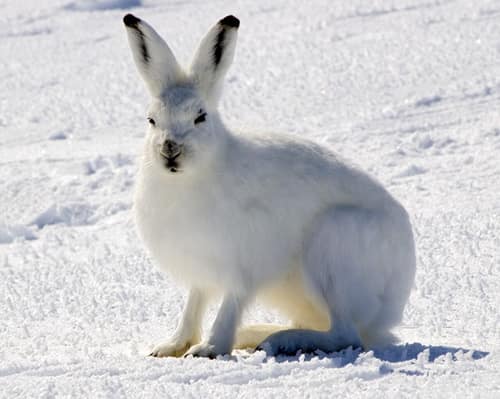
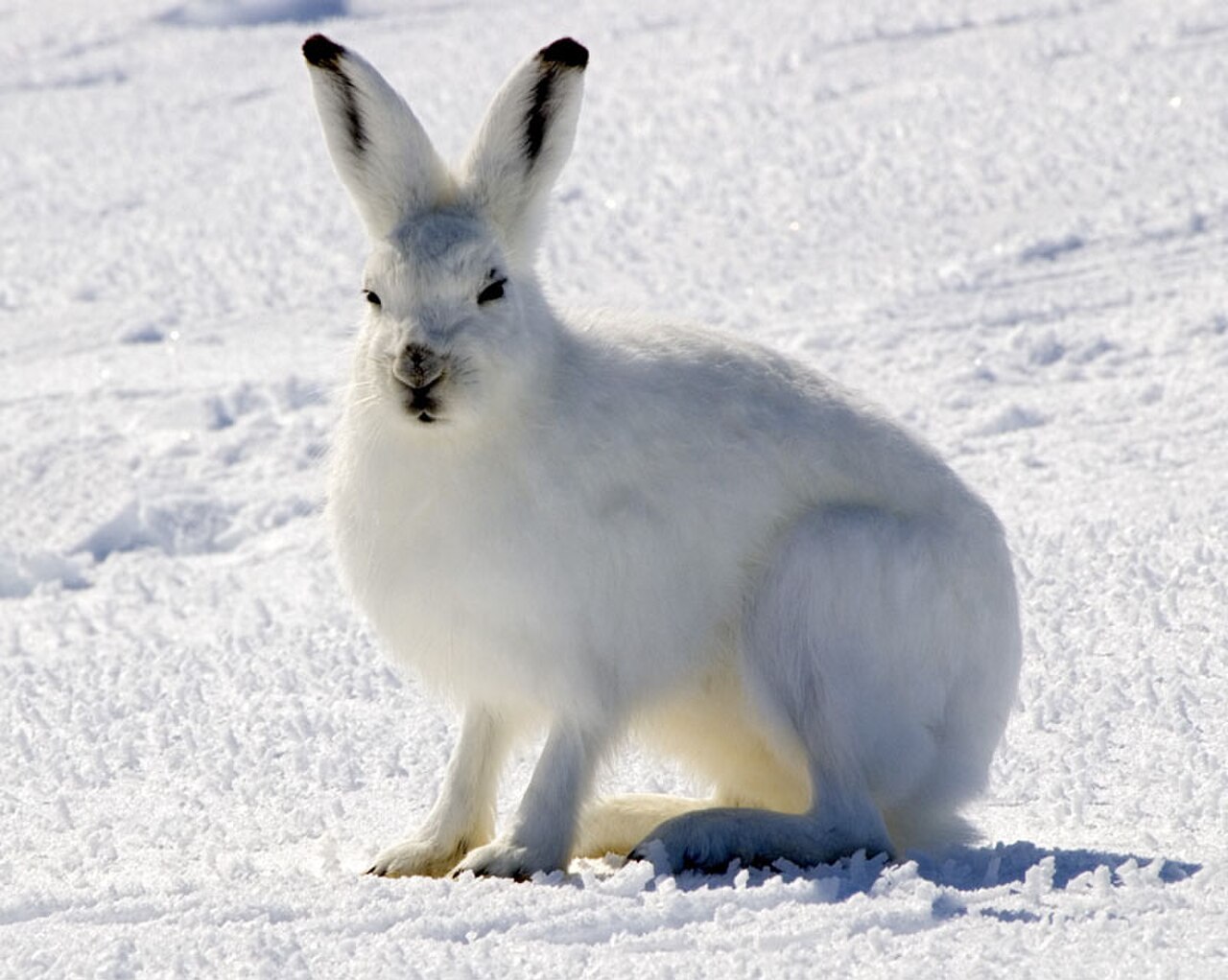
—observations
—countries
—peak records
Least ConcernConservation statusIUCN Red List categoriesLCNTVUENCREWEXLeast ConcernRed List categories, explained →
Diet & prey
- Arctic Willow
- Purple Saxifrage
- Tundra Mosses
Predators
- Arctic Wolf
- Arctic Fox
- Snowy Owl
ThreatsClimate change, extreme winter weather events, heavy predation
HabitatsTundra, rocky slopes, windblown snowfields
Life span3–5 years in the wild
Size / weightNot available
Classification
- FamilyLeporidae
- SpeciesLepus arcticus
Range data is not available yet.
Interaction riskLow
- Low
- Moderate
- High
- Very high
- Why interaction risk is low
- May bite or scratch if handled or cornered; observe from a respectful distance.
Responsible observation
- Observation Distance: Keep a generous distance to avoid causing stress or forcing expensive energetic flight in extreme cold.
- Winter Spotting: Look along windblown ridges where exposed dwarf willows attract foraging hares.
- Footprint Identification: Search for large bounding tracks with spread toes that act like natural snowshoes.
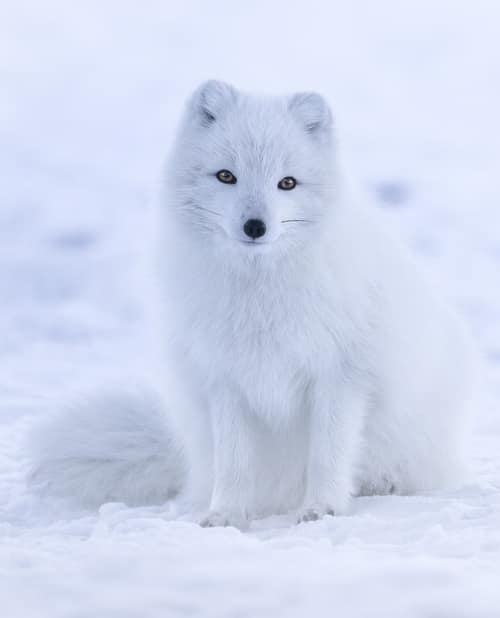
Predator Jonathen Pie https://unsplash.com/@r3dmax / CC0 · cc0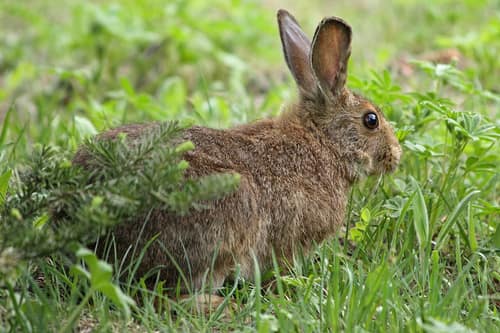
Close Relative Lepus_americanus_5459.JPG: Walter Siegmund (talk) derivative work: Wsiegmund / CC BY-SA 3.0 · cc-by-sa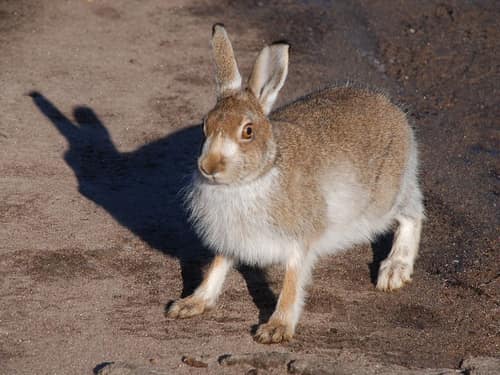
Close Relative (c) Andrew, some rights reserved (CC BY) · cc-by
Help improve the field guideSomething wrong?
Checking your Fauna account…Report a name, category, or profile issue for review.