
Mammal · GBIF taxon 2436756
Mountain Hare
Lepus timidusAlso known as Blue Hare, Variable Hare, Snow Hare, Irish Hare
Mountain hares undergo a dramatic seasonal molt, transforming from a mottled brown coat in summer to a dense, snowy white pelt in winter to blend into arctic and alpine landscapes. They spend the day resting in shallow earth depressions called forms, becoming active at dusk to forage on heather, grasses, and woody shoots. Highly solitary outside the spring breeding season, these agile lagomorphs rely on explosive bursts of speed and zig-zagging bounds to evade predators.
MammalArcticHerbivore
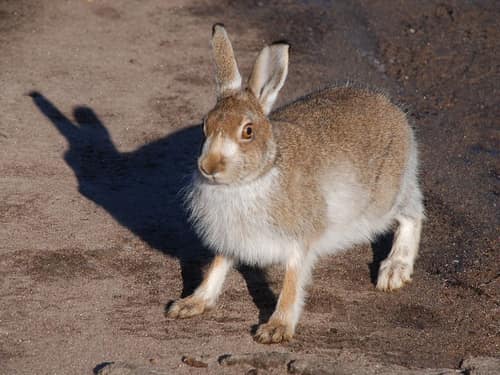
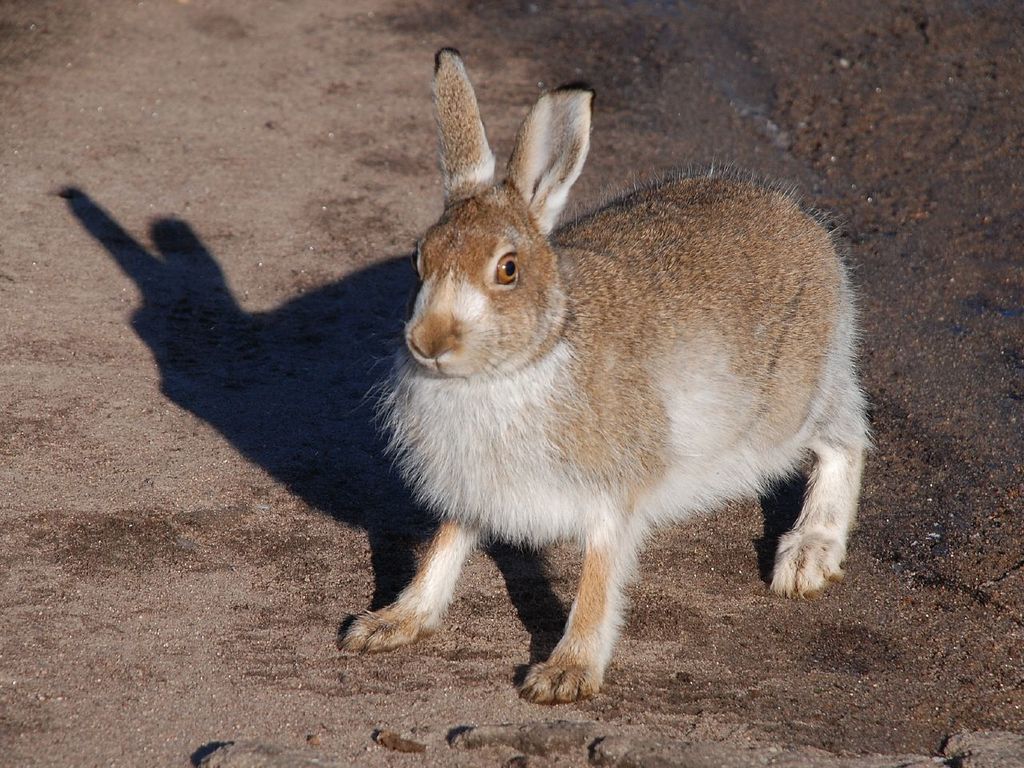
—observations
—countries
—peak records
Least ConcernConservation statusIUCN Red List categoriesLCNTVUENCREWEXLeast ConcernRed List categories, explained →
Diet & prey
- Grasses
- Heather
- Willow Twigs
Predators
- Red Fox
- Golden Eagle
- Eurasian Lynx
ThreatsClimate change, habitat loss, competition with European hares, and overhunting
HabitatsTundra, alpine meadows, boreal forests, and moorlands
Life span3–9 years
Size / weightNot available
Classification
- FamilyLeporidae
- SpeciesLepus timidus
Range data is not available yet.
Interaction riskLow
- Low
- Moderate
- High
- Very high
- Why interaction risk is low
- Capable of kicking or biting if cornered; observe quietly from a safe distance.
Responsible observation
- Scanning Slopes: Use binoculars to spot white pelts against bare ground during early spring thaws.
- Approach Downwind: Walk slowly and quietly upwind to avoid spooking resting individuals in their forms.
- Seasonal Timing: Look for them during dawn or dusk when foraging activity peaks.
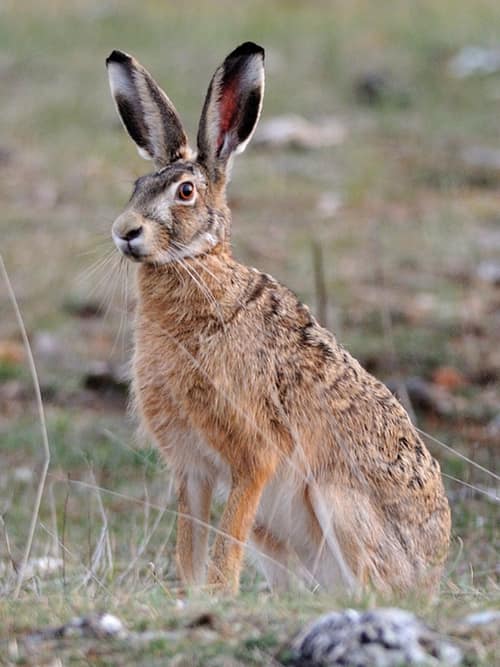
Competitor Jean-Jacques Boujot from Paris, France / CC BY-SA 2.0 · cc-by-sa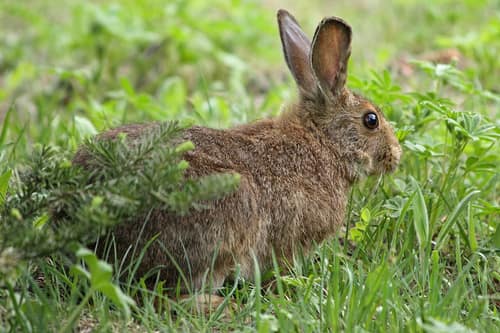
Ecological Counterpart Lepus_americanus_5459.JPG: Walter Siegmund (talk) derivative work: Wsiegmund / CC BY-SA 3.0 · cc-by-sa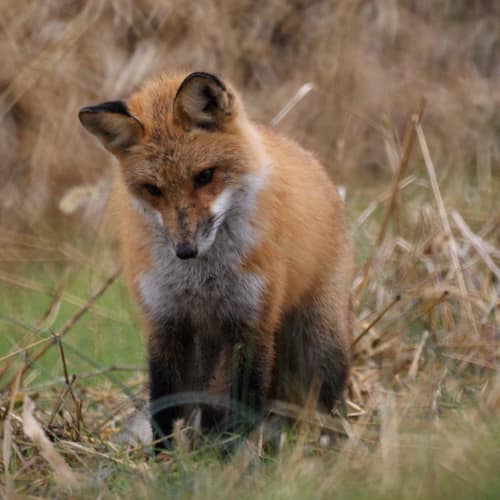
Predator "Red Fox" by Mike's Birds is licensed under CC BY-SA 2.0. To view a copy of this license, visit https://creativecommons.org/licenses/by-sa/2.0/. · cc-by-sa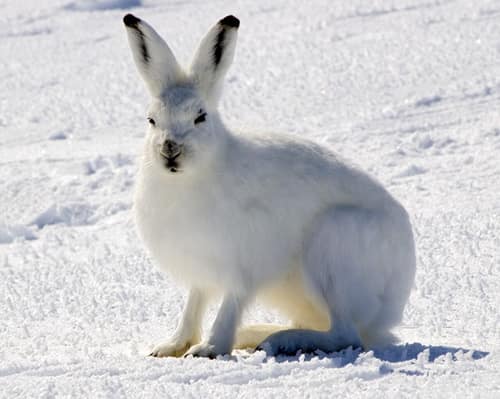
Close Relative Steve Sayles from Rankin Inlet, Nunavut, Canada / CC BY-SA 2.0 · cc-by-sa
Help improve the field guideSomething wrong?
Checking your Fauna account…Report a name, category, or profile issue for review.