
Mammal
Volcano Rabbit
Romerolagus diaziAlso known as Teporingo, Zacatuche
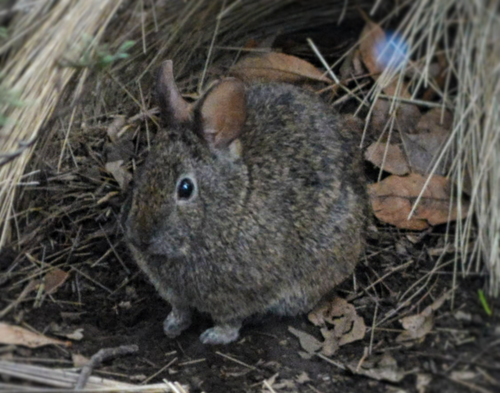
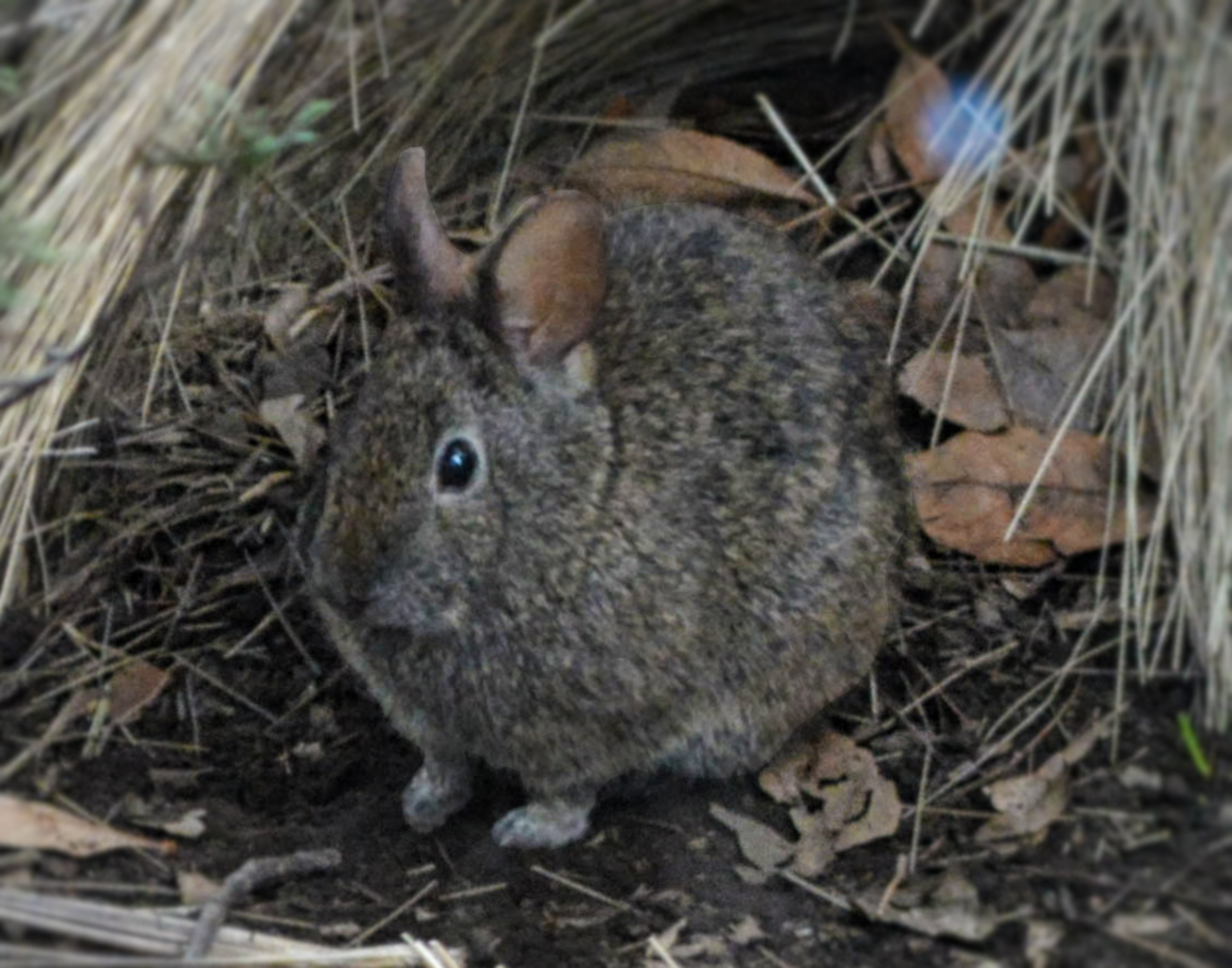
Small and secretive, the volcano rabbit is one of only two rabbit species worldwide known to vocalize with high-pitched warning squeaks when alarmed. Family groups construct communal runways woven through dense tussocks of subalpine zacatón grass, emerging at dawn and dusk to feed on tender shoots and bark. Restricted to isolated volcanic slopes surrounding the Valley of Mexico, this living fossil relies entirely on mature bunchgrass ecosystems for shelter and survival.
AlpineVocal
—observations
—countries
—peak records
EndangeredConservation statusIUCN Red List categoriesLCNTVUENCREWEXEndangeredRed List categories, explained →
Diet & preyZacatón Grass, Mountain Muhly, Alpine Forbs
Predators
- Bobcat
- Coyote
- Red-tailed Hawk
ThreatsHabitat fragmentation, agriculture, livestock overgrazing, and uncontrolled fires
HabitatsSubalpine pine-bunchgrass forests and volcanic slopes
Life span3–5 years in the wild (up to 9 years in captivity)
Classification
- FamilyLeporidae
- SpeciesRomerolagus diazi
Range data is not available yet.
Interaction riskLow
- Low
- Moderate
- High
- Very high
- Why interaction risk is low
- Safe to observe at a distance without causing stress.
- What to notice
- Look for a remarkably small, tail-less rabbit with short, rounded ears lacking dark tips and uniform dark yellowish-brown fur.
- Support conservation
- Maintain a generous viewing distance, avoid crushing zacatón tussocks, and keep domestic dogs entirely away from core habitat.
Responsible observation
- Watch Grass Runways: Scan low tunnels within large zacatón grass clumps during dawn or dusk when rabbits forage.
- Listen Carefully: Listen for distinct, high-pitched vocal clicks or squeaks that reveal their hidden presence.
- Stay on Trails: Avoid stepping into tall bunchgrass hummocks to protect fragile nesting burrows.
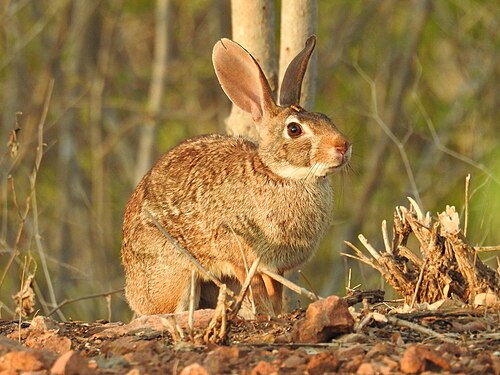
Competitor Sinaloa Silvestre / CC0 · cc0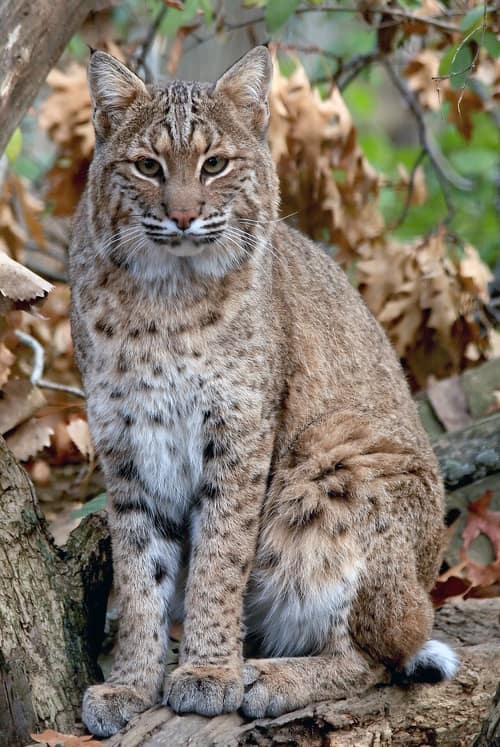
Predator Becker1999 (Paul and Cathy) / CC BY 2.0 · cc-by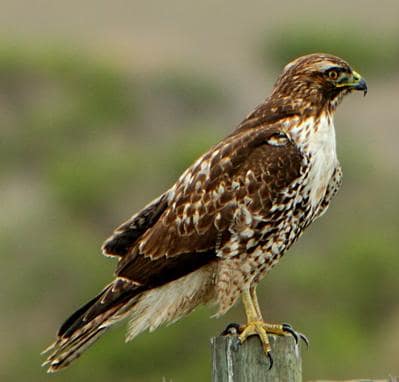
Predator Buteo_jamaicensis_1.jpg: Alan Vernon derivative work: Berichard (talk) / CC BY 2.0 · cc-by
Help improve the field guideSomething wrong?
Checking your Fauna account…Report a name, category, or profile issue for review.