
Mammal · GBIF taxon 2436637
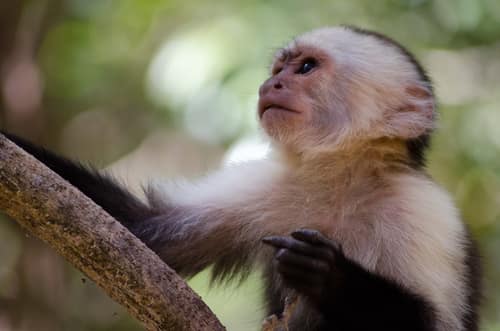
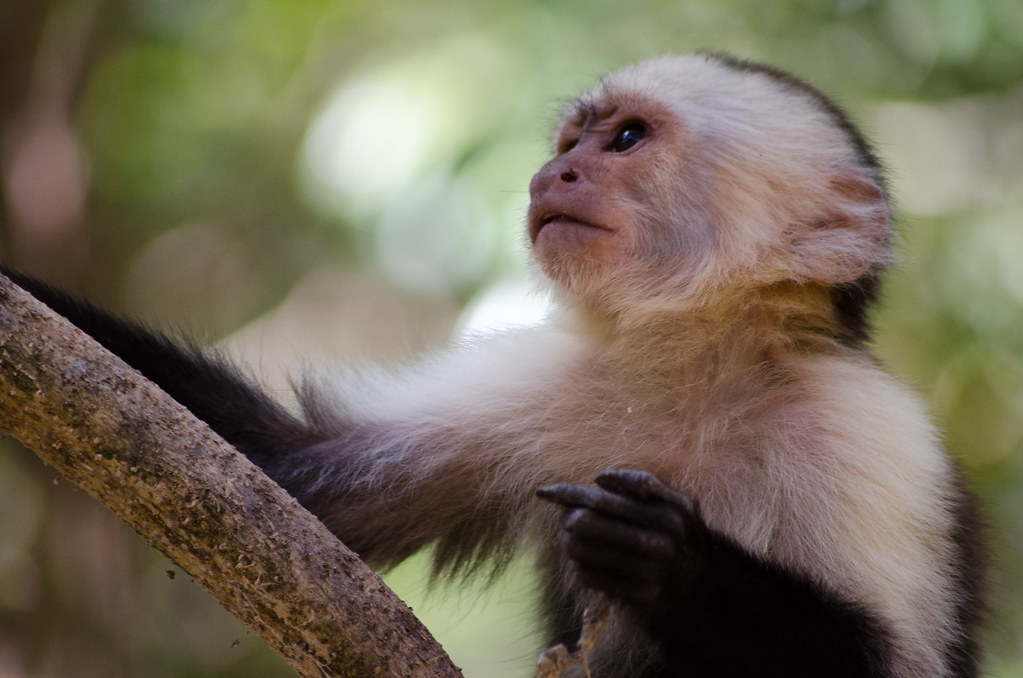
Colombian White-faced Capuchin
Cebus capucinusAlso known as Colombian White-headed Capuchin, Colombian White-throated Capuchin, White-throated Capuchin
Colombian white-faced capuchins navigate tropical forest canopies in highly coordinated social troops led by dominant individuals. Known for remarkable intelligence and adaptability, they forage through multiple forest strata for fruits, seeds, and small prey while using distinct vocalizations to communicate. Their seed dispersal activities and insect predation play vital roles in maintaining native rainforest ecosystem health.
Tree-dwellingSocialOmnivorous
—observations
—countries
—peak records
VulnerableConservation statusIUCN Red List categoriesLCNTVUENCREWEXVulnerableRed List categories, explained →
Diet & prey
- Ripe Fruits
- Tree Insects
- Tree Frogs
Predators
- Harpy Eagle
- Boa Constrictor
- Ocelot
ThreatsDeforestation, habitat fragmentation, illegal pet trade
HabitatsTropical rainforests, dry forests, mangrove swamps
Life span15–30 years in the wild
Size / weightNot available
Classification
- FamilyCebidae
- SpeciesCebus capucinus
Native
Interaction riskLow
- Low
- Moderate
- High
- Very high
- Why interaction risk is low
- May bite or scratch if cornered; observe from a safe distance without making direct eye contact.
- What to notice
- Look for distinct cream-white fur covering the chest, shoulders, and face contrasting with a dark body.
- Support conservation
- Keep clear of foraging troops and refrain from geotagging specific troop locations in protected forests.
Responsible observation
- Maintain Distance: Keep a respectful distance in the canopy to avoid provoking defensive troop responses.
- Do Not Feed: Handouts disrupt natural foraging habits and increase aggression toward humans.
- Observe Quietly: Listen for crashing branches and high-pitched chirps to spot moving troops overhead.
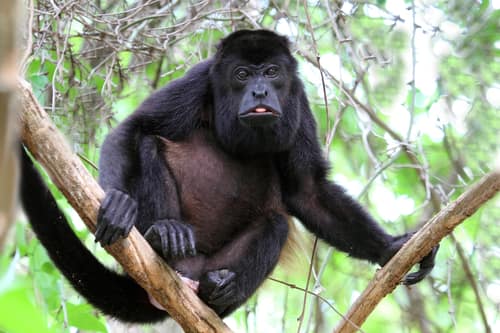
Forest Neighbor (c) Cephas, some rights reserved (CC BY-SA) · cc-by-sa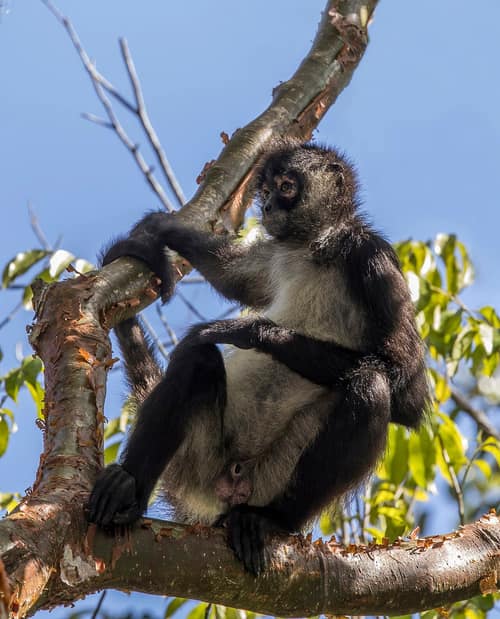
Forest Neighbor Charles J. Sharp / CC BY-SA 4.0 · cc-by-sa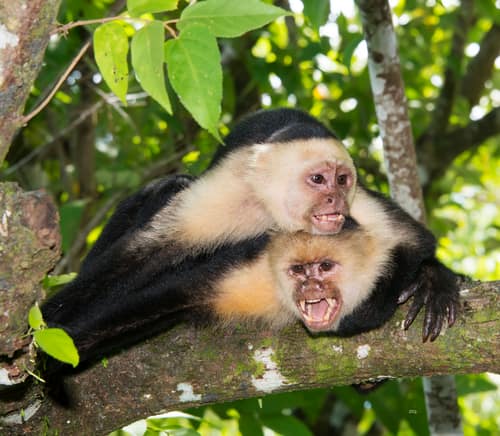
Close Relative (c) Seig, some rights reserved (CC BY), uploaded by Seig · cc-by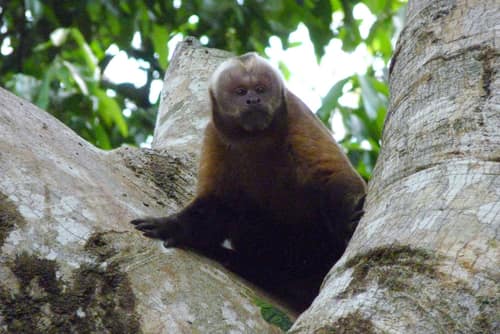
Close Relative (c) Carine06, some rights reserved (CC BY-SA) · cc-by-sa
Help improve the field guideSomething wrong?
Checking your Fauna account…Report a name, category, or profile issue for review.