
Mammal · GBIF taxon 2436610
Assam Macaque
Macaca assamensisAlso known as Assamese Macaque, Himalayan Macaque
Assam macaques navigate the steep forest canopies and rocky outcrops of South and Southeast Asia in cohesive, multi-male and multi-female troops. These stout, yellowish-brown primates spend their days foraging for fruits, leaves, and small invertebrates while maintaining strong social bonds through intricate grooming routines. When threatened or defending territory, males produce loud, rhythmic barking calls that echo through the hill forests.
SocialArborealFrugivorous
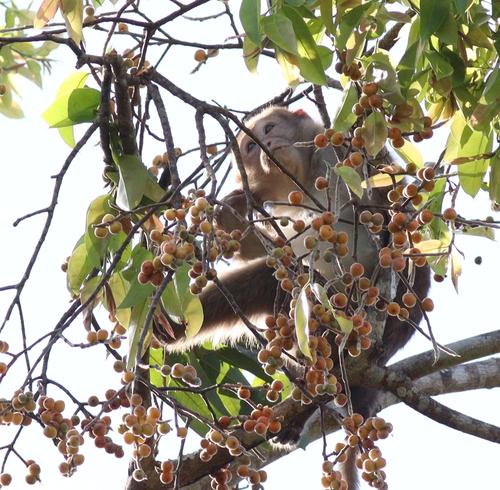
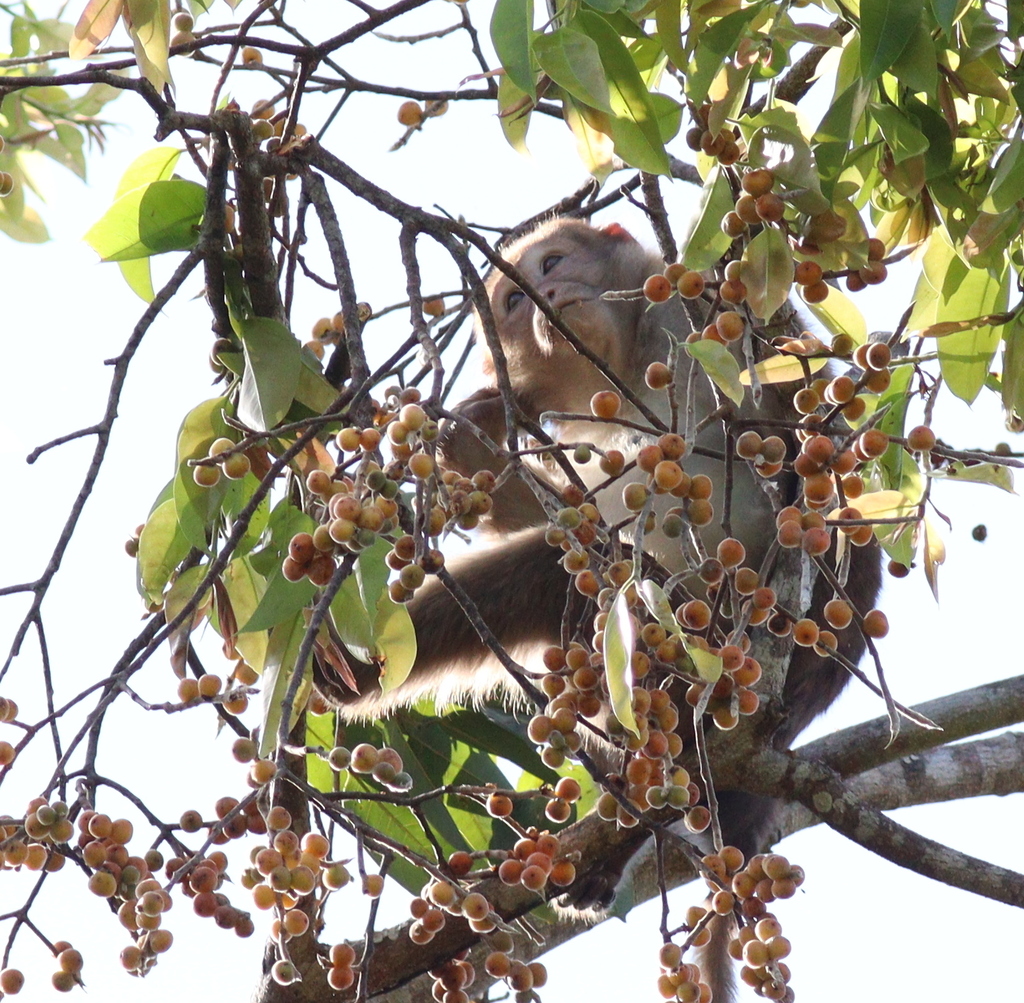
—observations
—countries
—peak records
Near ThreatenedConservation statusIUCN Red List categoriesLCNTVUENCREWEXNear ThreatenedRed List categories, explained →
Diet & prey
- Fruits
- Leaves
- Insects
Predators
- Leopards
- Dhole
- Large Eagles
ThreatsPoaching, habitat degradation, agricultural expansion, forest fragmentation
HabitatsSubtropical and tropical hill forests, montane broadleaf forests
Life span15–22 years in the wild
Classification
- FamilyCercopithecidae
- SpeciesMacaca assamensis
Range data is not available yet.
Interaction riskModerate
- Low
- Moderate
- High
- Very high
- Why interaction risk is moderate
- Wild primates can bite defensively and transmit pathogens; keep a safe distance.
- Why it is dangerous
- Can inflict painful bites with long canine teeth and transmit zoonotic diseases such as simian herpes virus.
- How to recognize a risky encounter
- Look for a stocky, yellowish to dark-brown monkey with a hairless, flesh-colored face and short tail.
- What to do
- Never approach, feed, or corner wild monkeys; step back slowly if a troop approaches.
- What to notice
- Recognizable by thick brown fur, a prominent brow ridge, and a distinctively short, furry tail.
- Support conservation
- Observe passively from established trails without using call playbacks or disrupting troop movements.
Responsible observation
- Maintain Safe Distance: Keep at least 15 meters away to avoid triggering defensive responses from troop members.
- Avoid Eye Contact: Direct, prolonged eye contact is perceived as aggression by dominant males.
- Secure Food Items: Never feed wild monkeys or display loose food, which encourages habitual raiding.
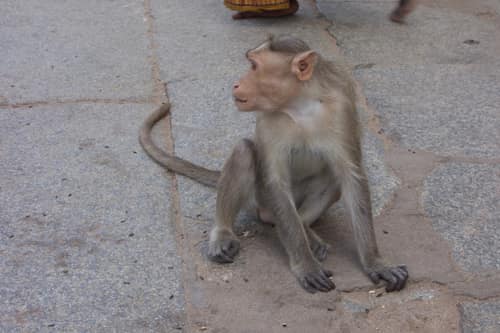
Congener (c) Stefano Menchetti, some rights reserved (CC BY-SA), uploaded by Stefano Menchetti · cc-by-sa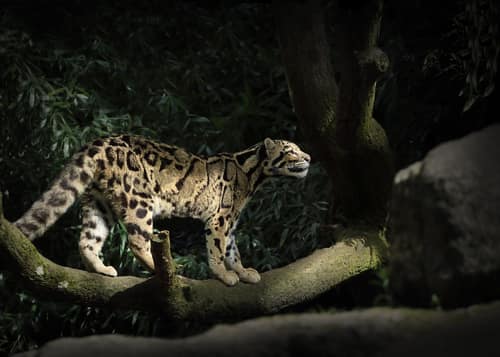
Predator "Clouded Leopard catching the light" by charlieishere@btinternet.com is licensed under CC BY 2.0. To view a copy of this license, visit https://creativecommons.org/licenses/by/2.0/. · cc-by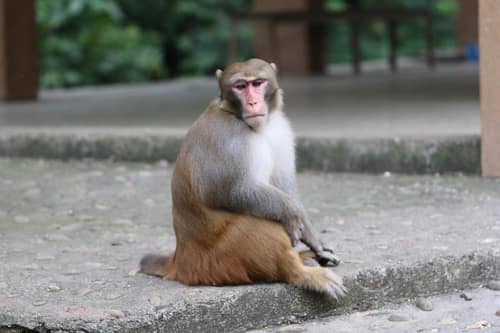
Close Relative (c) Donald Hobern, some rights reserved (CC BY) · cc-by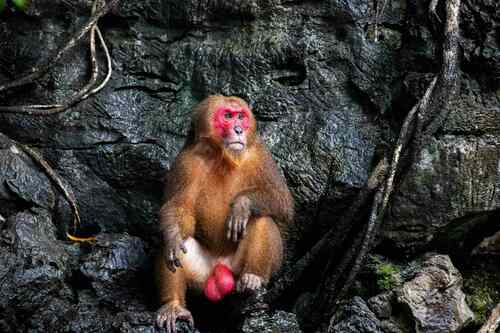
Close Relative (c) Utain Pummarin, some rights reserved (CC BY) · cc-by
Help improve the field guideSomething wrong?
Checking your Fauna account…Report a name, category, or profile issue for review.