
Mammal · GBIF taxon 2436609
Tibetan Macaque
Macaca thibetanaAlso known as Père David's Macaque, Chinese Stump-Tailed Macaque, Milne-Edwards' Macaque
Tibetan macaques are heavy-bodied primates clad in dense, pale brown fur suited for chilly high-elevation forests. They live in complex matriarchal troops that utilize infant-bridging rituals, where adults hold infants to reduce social tension and reinforce bonds between males. High in the subtropical mountain canopy, these resilient monkeys spend their days foraging for seasonal acorns, bamboo shoots, and tender foliage.
SocialMountain WildlifePrimate
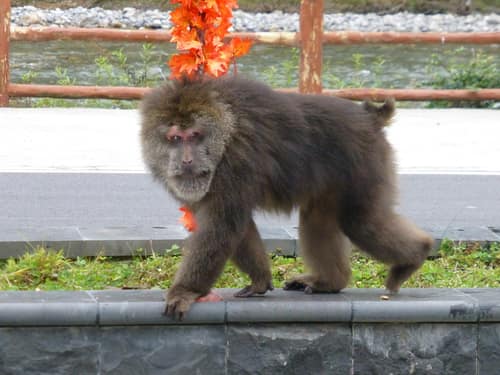
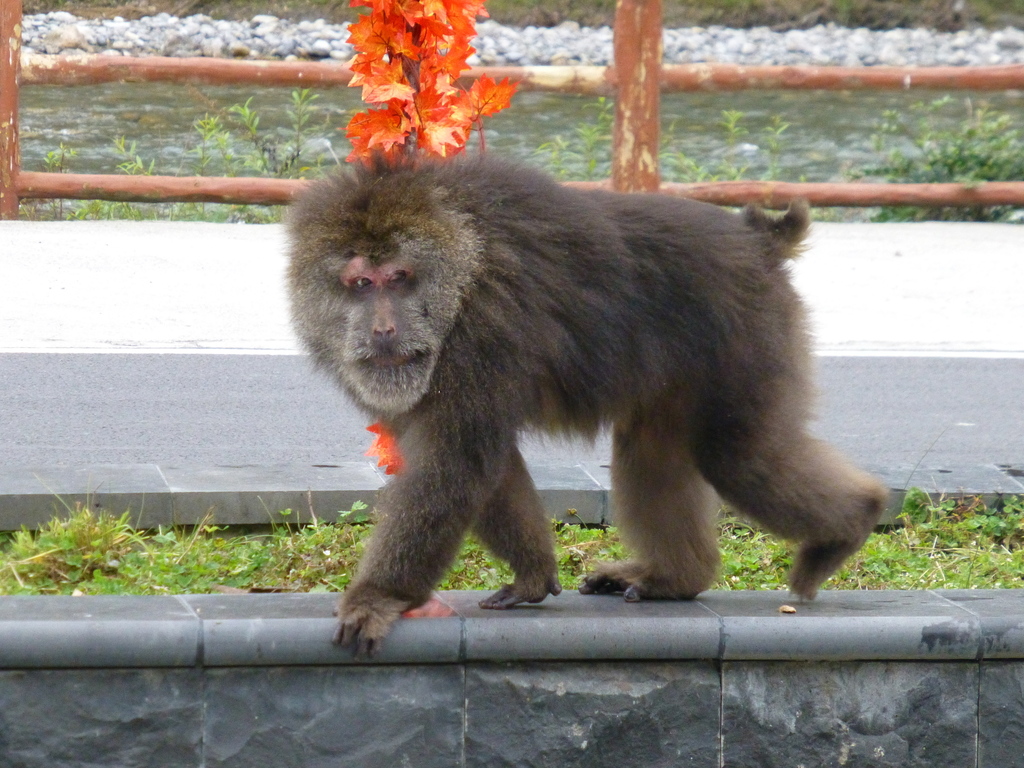 1 / 2
1 / 2—observations
—countries
—peak records
Near ThreatenedConservation statusIUCN Red List categoriesLCNTVUENCREWEXNear ThreatenedRed List categories, explained →
Diet & prey
- Bamboo shoots
- Acorns
- Foliage
Predators
- Leopards
- Dholes
- Eagles
ThreatsHabitat fragmentation, tourism disturbance, disease transmission from humans
HabitatsSubtropical evergreen and deciduous forests, rocky mountain cliffs
Life span20–25 years
Size / weightNot available
Classification
- FamilyCercopithecidae
- SpeciesMacaca thibetana
Range data is not available yet.
Interaction riskLow
- Low
- Moderate
- High
- Very high
- Why interaction risk is low
- May bite or scratch if cornered or fed; maintain a safe distance.
- Why it is dangerous
- Powerful jaws and long canine teeth can inflict deep puncture wounds and transmit dangerous pathogens if provoked.
- How to recognize a risky encounter
- Heavy build with thick brown fur, broad whiskered face, and a very short stump tail.
- What to do
- Never approach or feed; back away slowly if an individual displays an open-mouth threat face.
- What to notice
- Large mountain macaque with dense yellowish-brown coat and pale facial whiskers.
- Support conservation
- Keep voice quiet, pack out all food waste, and do not visit wild troops when feeling unwell.
Responsible observation
- Maintain distance: Stay at least 10 meters away from troops to avoid triggering defensive aggression.
- Do not feed: Feeding encourages aggressive begging and increases risk of pathogen transmission.
- Avoid eye contact: Direct eye contact can be interpreted as an aggressive challenge.
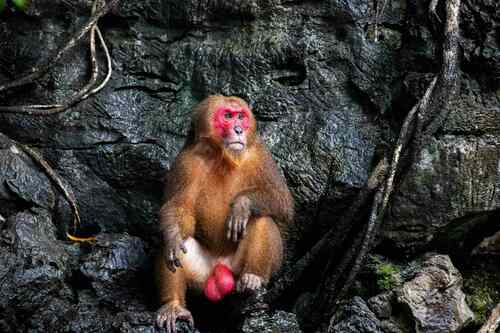
Close Relative (c) Utain Pummarin, some rights reserved (CC BY) · cc-by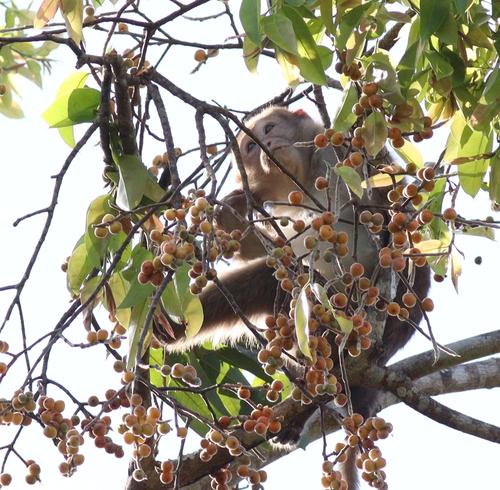
Close Relative (c) Jan Ebr & Ivana Ebrová, some rights reserved (CC BY) · cc-by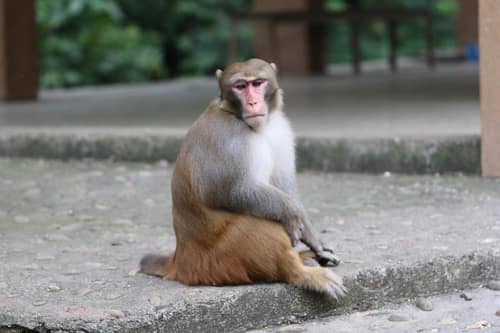
Co-occurring Relative (c) Donald Hobern, some rights reserved (CC BY) · cc-by
Help improve the field guideSomething wrong?
Checking your Fauna account…Report a name, category, or profile issue for review.