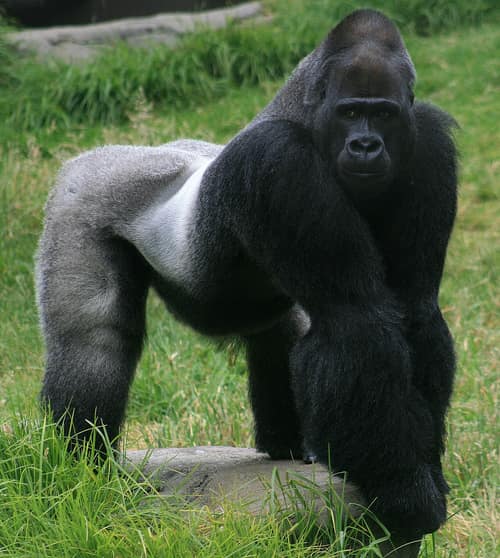
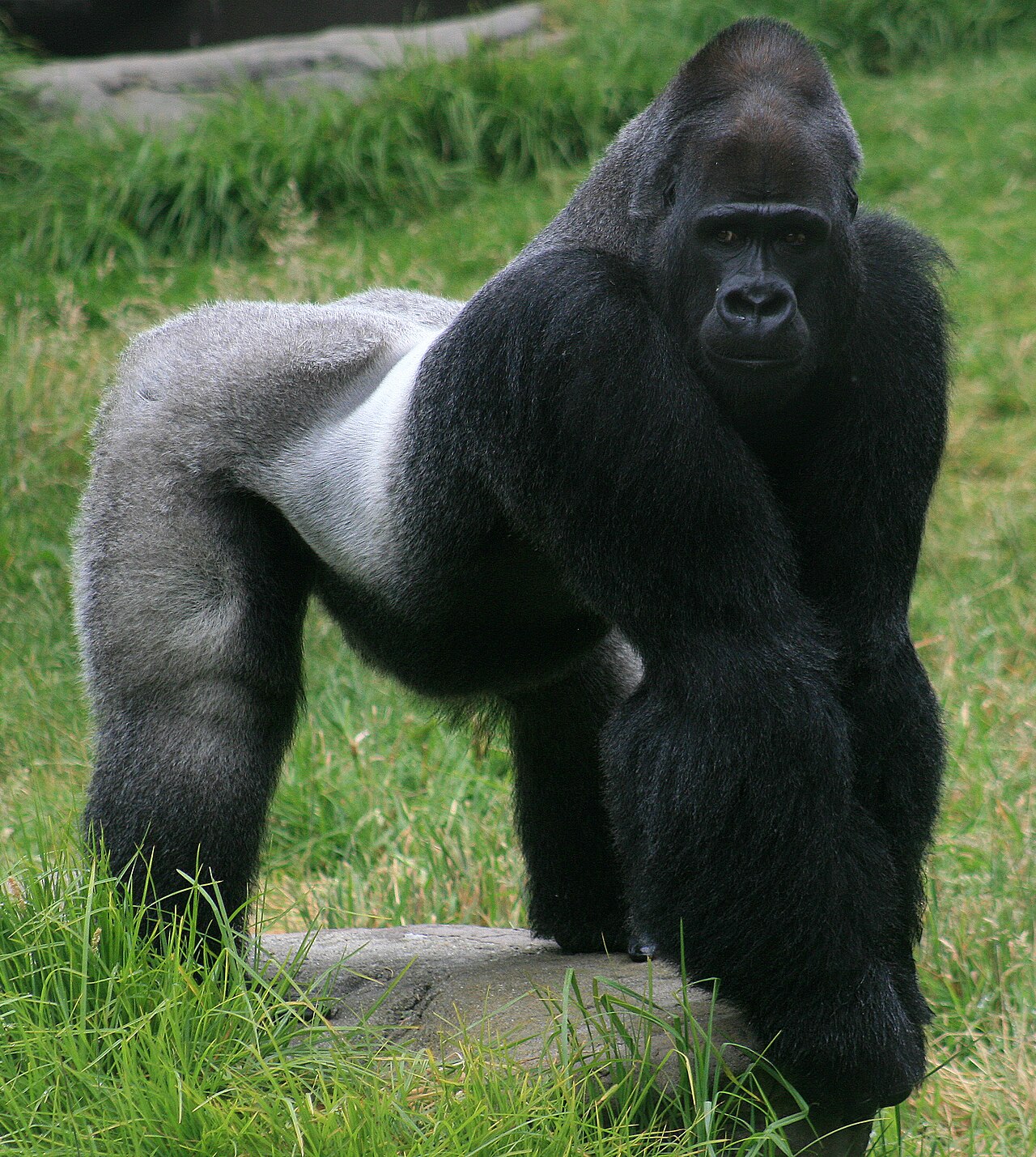
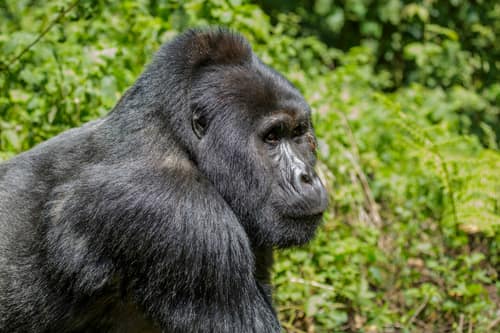
Western gorillas live in cohesive social troops led by a dominant silverback male who coordinates daily foraging routes, resolves social squabbles, and defends the group from rivals. Highly frugivorous compared to their eastern relatives, these great apes travel long distances through the rainforest canopy and understory to track seasonal ripening trees, constructing fresh leafy sleeping nests each evening. They communicate through an intricate repertoire of over two dozen vocalizations, expressive facial grimaces, and chest-beating displays that deter potential intruders.
Critically EndangeredConservation statusIUCN Red List categoriesLCNTVUENCREWEXCritically EndangeredRed List categories, explained →
Key facts
Diet & prey
Wild figs and seasonal fruits
Herbaceous stems and bamboo shoots
Termites and weaver ants
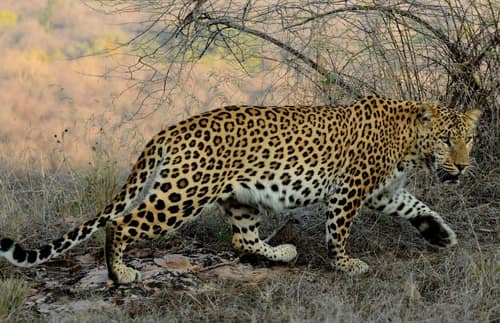
Predators
Leopard
ThreatsIllegal poaching for the bushmeat trade, commercial logging, agricultural expansion, and catastrophic Ebola virus outbreaks
HabitatsDense lowland tropical rainforests, swamp forests, and secondary regrowth forests across central and western Africa
Life span35–40 years in the wild; up to 55 years under managed human care
Size / weightNot available
Classification
OrderPrimates
FamilyHominidae
GenusGorilla
SpeciesGorilla gorilla
Range & activity
Native
Safe observation
Interaction riskHigh
Low
Moderate
High
Very high
Why interaction risk is high
Massive and immensely strong; can charge or bite defensively when surprised or threatened.
Why it is dangerous
Possesses immense physical strength and long canine teeth capable of crushing bones and inflicting fatal blunt force trauma or bite wounds.
How to recognize a risky encounter
Recognized by its massive barrel-chested build, brownish-gray to blackish coat, prominent brow ridge, and bare black facial skin.
What to do
Never approach unhabituated wild individuals. If an ape displays or charges, drop your gaze, stay completely still, and follow all tracker instructions.
What to notice
Look for a stocky, terrestrial great ape foraging on the ground in Central African tropical forests, distinguished by its red-tinted forehead hair.
Support conservation
Visit only through licensed ecotourism operators and never support the trade in live infant apes, bushmeat, or gorilla body parts.
Responsible observation
Distance Protocol: Maintain a minimum distance of at least 7 to 10 meters when observing habituated groups.
Health Hygiene: Wear protective face masks during guided treks to prevent transmitting human respiratory pathogens.
Submissive Posture: Avoid direct prolonged eye contact, keep voices low, and crouch quietly if a silverback displays.