
Mammal · GBIF taxon 2436432
Indri
Indri indriAlso known as Babakoto, Endrina
Renowned for their haunting, siren-like songs that echo across Madagascar's rainforest canopy every morning, indris live in small monogamous family groups. These magnificent primates navigate the treetops using explosive vertical leaps, launching themselves effortlessly between vertical trunks. Severe habitat fragmentation has devastated their remaining populations, making them dependent on protected forest corridors.
ArborealSinging LemurRainforest
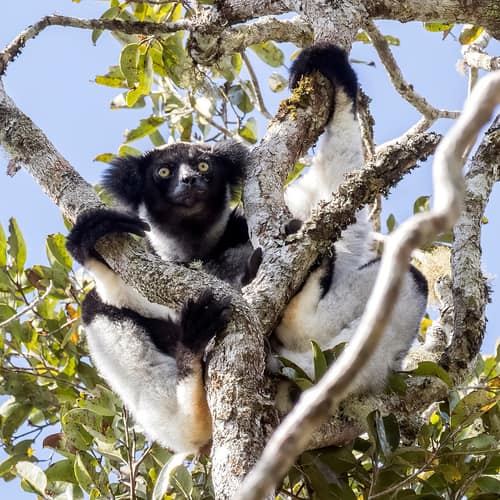
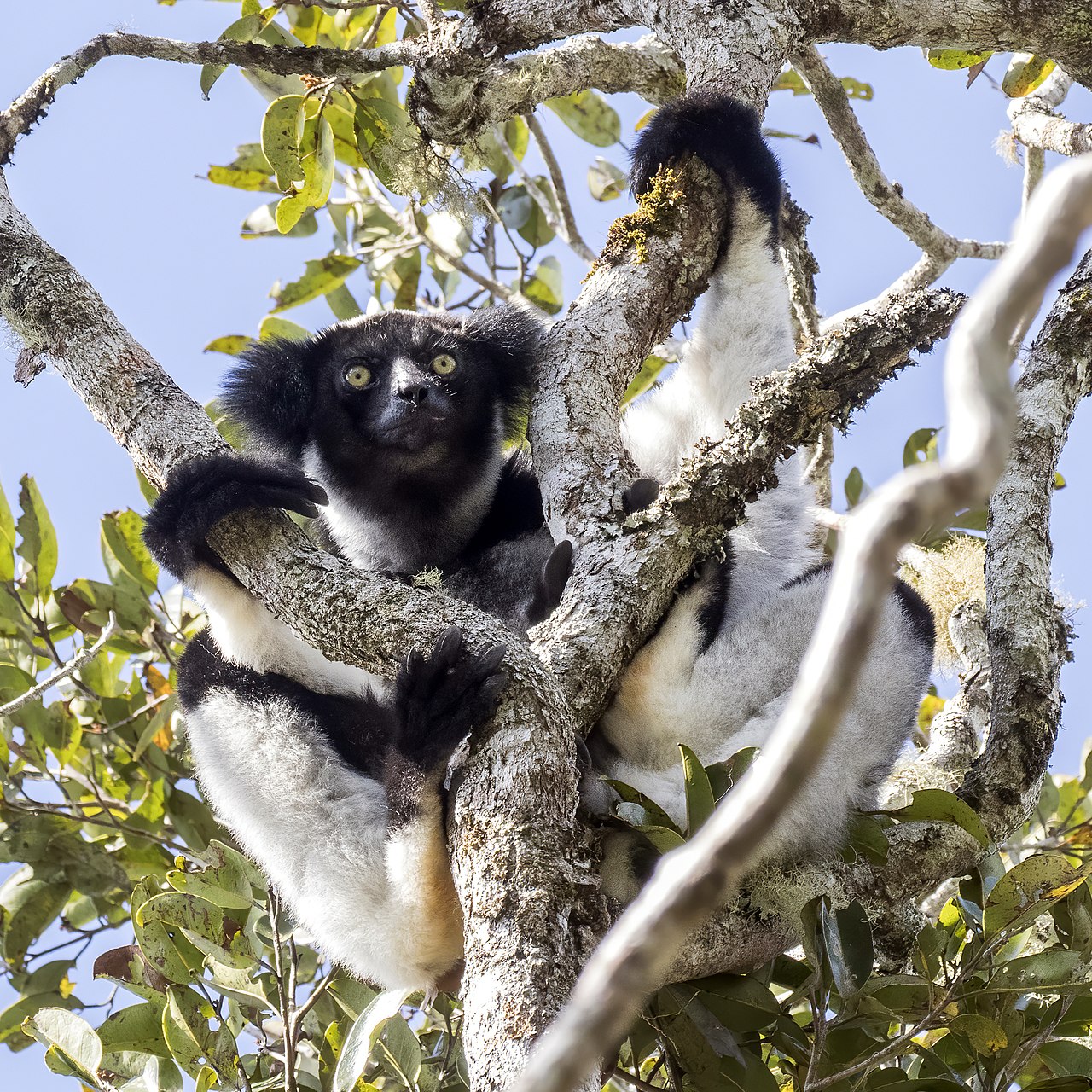
—observations
—countries
—peak records
Critically EndangeredConservation statusIUCN Red List categoriesLCNTVUENCREWEXCritically EndangeredRed List categories, explained →
Diet & prey
- Herbivorous (leaves, seeds, fruits, flowers)
Predators
- Fossa
- Henst's Goshawk
- Humans
ThreatsDeforestation, habitat fragmentation, illegal logging, hunting
HabitatsTropical rainforests of eastern Madagascar
Life span15–20 years
Size / weightNot available
Classification
- OrderPrimates
- FamilyIndriidae
- GenusIndri
- SpeciesIndri indri
Range data is not available yet.
Interaction riskLow
- Low
- Moderate
- High
- Very high
- Why interaction risk is low
- Capable of a sharp bite if cornered; keep a respectful distance while observing.
- What to notice
- Distinctive black and white fur pattern, stubby vestigial tail, and loud morning calls.
- Support conservation
- Observe quietly from established trails without using flash photography.
Responsible observation
- Morning listening: Scan the canopy during early morning when territorial songs peak.
- Keep your distance: Avoid approaching close enough to cause alarm or interrupt feeding.
- Guided tracking: Work with local eco-guides who know established family territories.
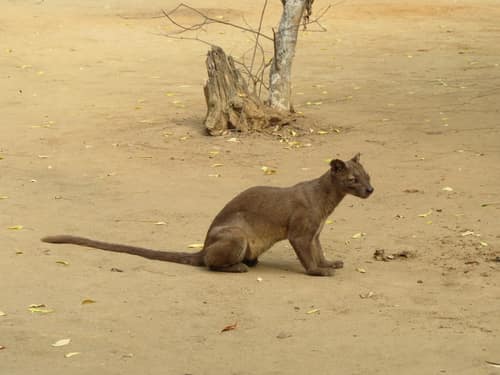
Predator (c) Micha Baum, some rights reserved (CC BY-SA), uploaded by Micha Baum · cc-by-sa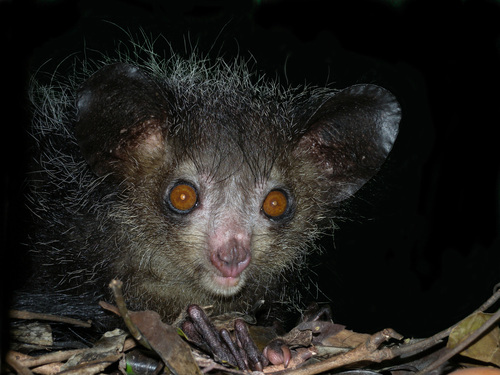
Co-occurring Lemur (c) Frank Vassen, some rights reserved (CC BY) · cc-by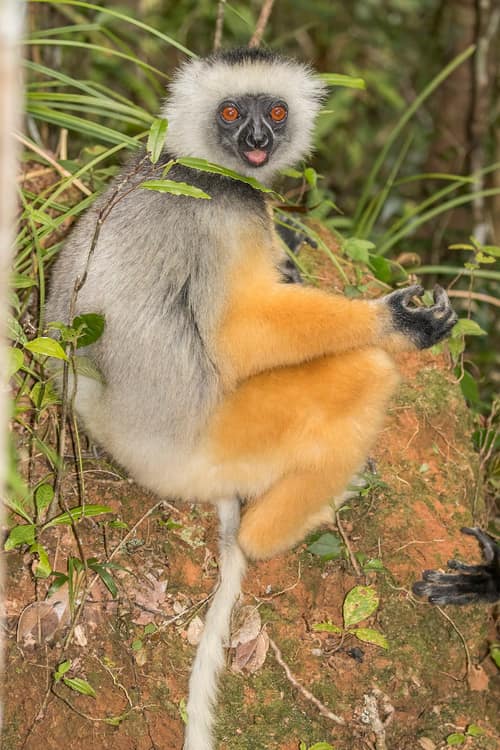
Close Relative Charles J. Sharp / CC BY-SA 4.0 · cc-by-sa
Help improve the field guideSomething wrong?
Checking your Fauna account…Report a name, category, or profile issue for review.