
Mammal
Black-and-white Ruffed Lemur
Varecia variegataAlso known as Varied Lemur
Black-and-white ruffed lemurs act as crucial seed dispersers across Madagascar rainforests, traveling high in the canopy to feed on ripe fruits and nectar. Unlike most primates, females build elaborate leaf nests high in tree forks where they nurse litters of up to six infants. Their deafening roar choruses echo through the forest at dawn, maintaining territory boundaries between neighboring social groups.
ArborealFrugivore
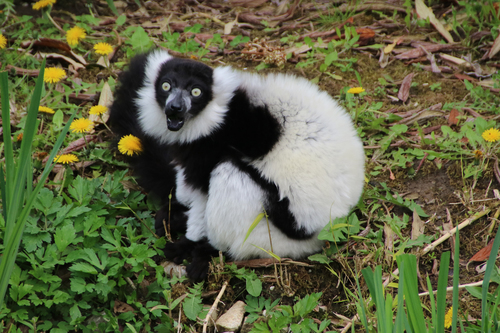
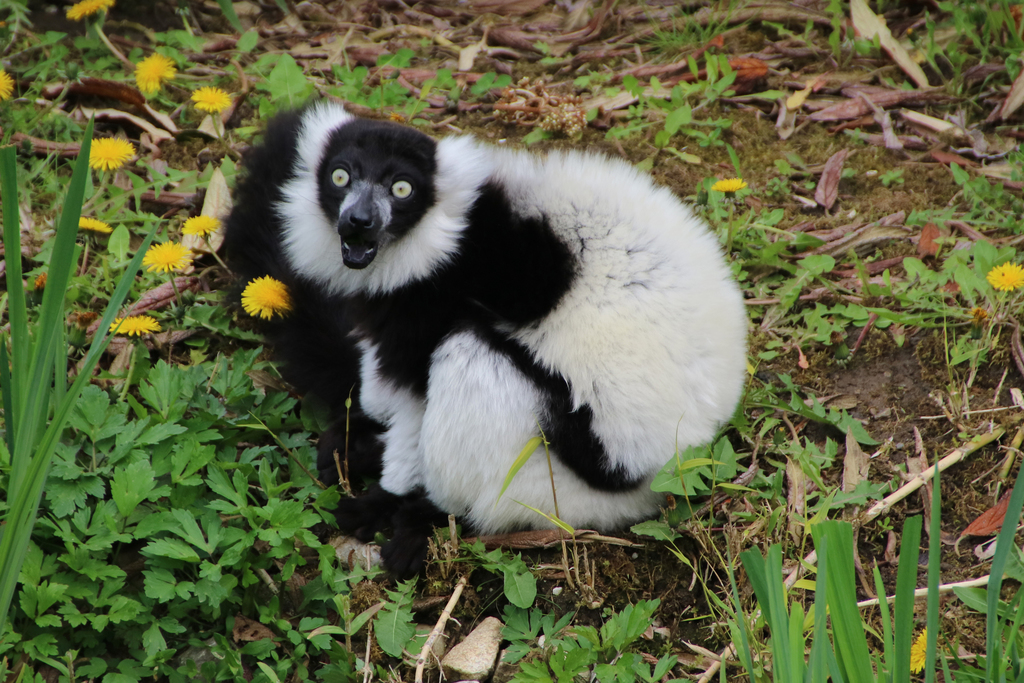
—observations
—countries
—peak records
Critically EndangeredConservation statusIUCN Red List categoriesLCNTVUENCREWEXCritically EndangeredRed List categories, explained →
Diet & preyFigs, Wild Nutmeg, Canopy Nectar
Predators
- Fossa
- Madagascar Harrier-Hawk
- Madagascar Tree Boa
ThreatsDeforestation, habitat fragmentation, slash-and-burn agriculture, and hunting
HabitatsPrimary rainforests and tropical lowland forests of eastern Madagascar
Life span15–20 years in the wild (up to 30 years in captivity)
Classification
- OrderPrimates
- FamilyLemuridae
- GenusVarecia
- SpeciesVarecia variegata
Range data is not available yet.
Interaction riskLow
- Low
- Moderate
- High
- Very high
- Why interaction risk is low
- Wild lemurs can bite or scratch defensively if cornered; observe quietly from a safe distance.
- What to notice
- Recognizable by its bold black and white fur pattern, bushy tail, and thick facial ruff high in the canopy.
- Support conservation
- Observe only from designated trails with local park guides and never approach or feed wild groups.
Responsible observation
- Listen for Calls: Listen for deep, roaring chorus alarms echoing through the rainforest at dawn.
- Scan the Canopy: Look high in tree forks where individuals often rest suspended by their feet.
- Use Local Guides: Visit protected reserves with licensed guides to minimize habitat disturbance.
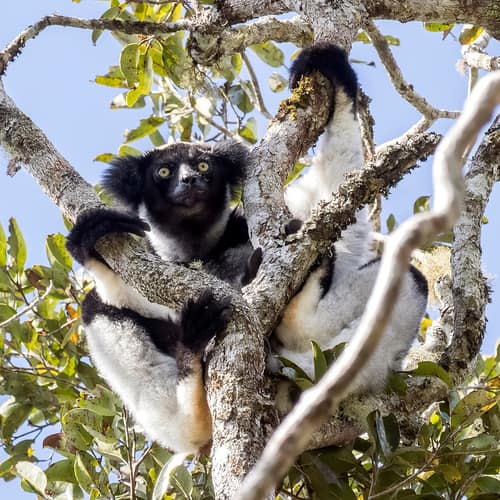
Rainforest Neighbor Charles J. Sharp / CC BY-SA 4.0 · cc-by-sa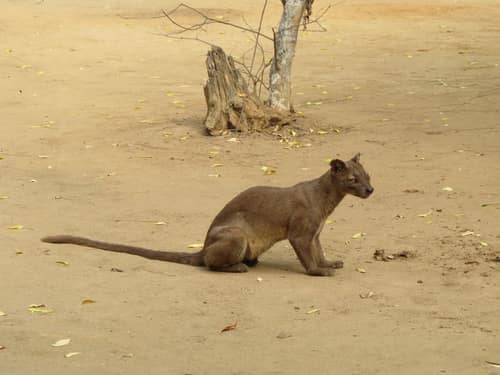
Predator (c) Micha Baum, some rights reserved (CC BY-SA), uploaded by Micha Baum · cc-by-sa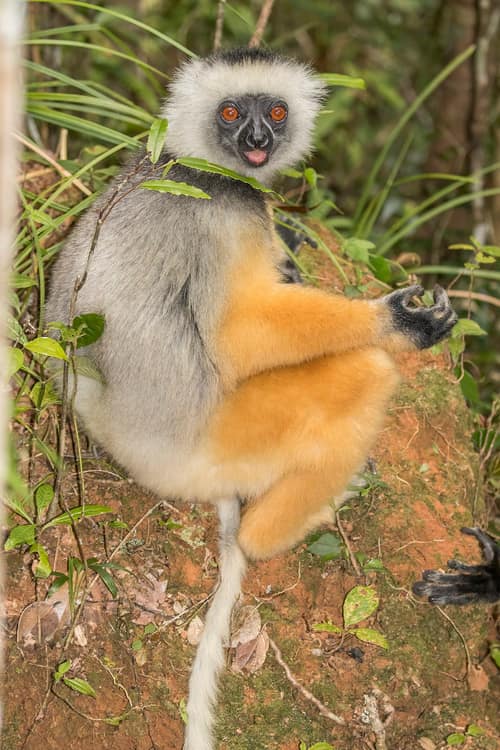
Frequent Companion Charles J. Sharp / CC BY-SA 4.0 · cc-by-sa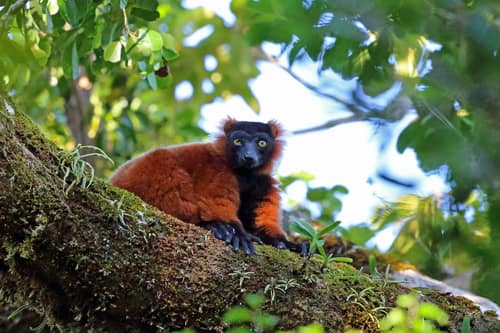
Close Relative (c) Nigel Voaden, some rights reserved (CC BY) · cc-by
Help improve the field guideSomething wrong?
Checking your Fauna account…Report a name, category, or profile issue for review.