
Mammal · GBIF taxon 2436361
Pale-throated Sloth
Bradypus tridactylusAlso known as Ai, Pale-throated Three-toed Sloth
Pale-throated sloths spend almost their entire lives suspended upside down in the dense rainforest canopies of northern South America. A specialized diet of tough, fibrous leaves supports an exceptionally slow metabolic rate, requiring hours of daily basking in high branches to aid digestion. Once a week, individuals descend to the forest floor to defecate, exposing themselves to ground predators in a rare moment of vulnerability.
ArborealFolivoreSlow-moving
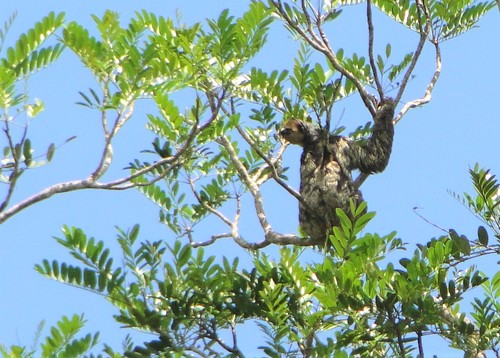
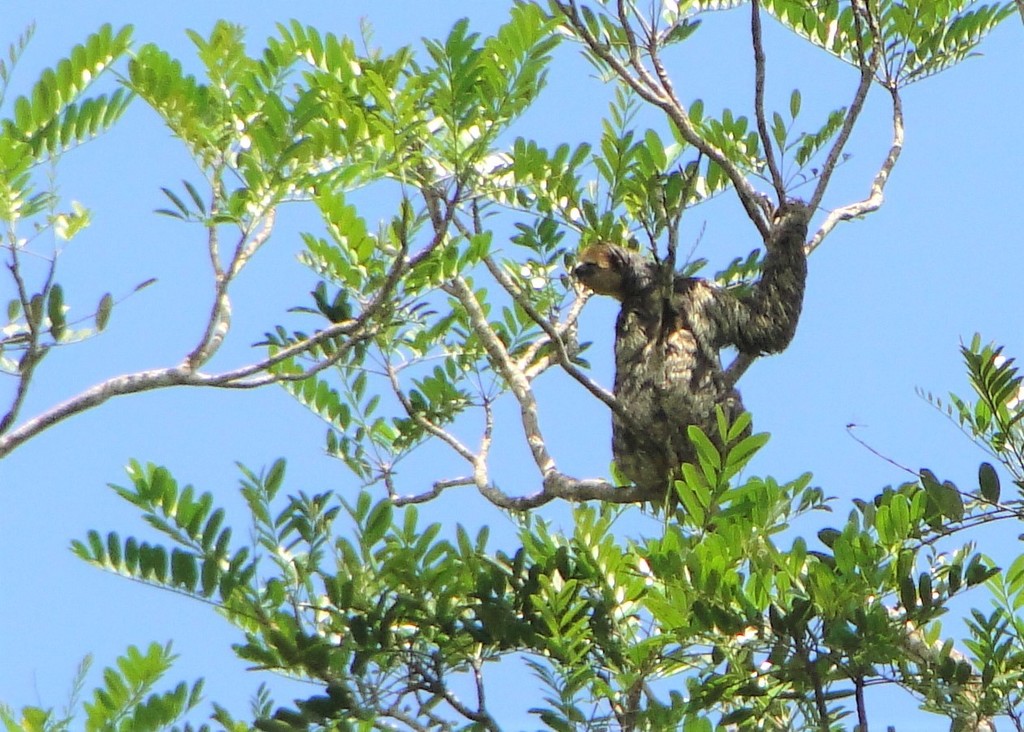
—observations
—countries
—peak records
Least ConcernConservation statusIUCN Red List categoriesLCNTVUENCREWEXLeast ConcernRed List categories, explained →
Diet & prey
- Leaves, particularly from Cecropia trees
Predators
- Harpy Eagle
- Jaguar
- Ocelot
ThreatsDeforestation and habitat fragmentation
HabitatsTropical rainforest canopy
Life span15–30 years
Size / weightNot available
Classification
- FamilyBradypodidae
- SpeciesBradypus tridactylus
Native
Interaction riskLow
- Low
- Moderate
- High
- Very high
- Why interaction risk is low
- Safe to observe at a normal distance without disturbing tree climbing.
Responsible observation
- Binocular Scanning: Look high in Cecropia trees for rounded, mossy clusters among leaves.
- Canopy Respect: Avoid surrounding isolated trees so sloths can freely cross between branches.
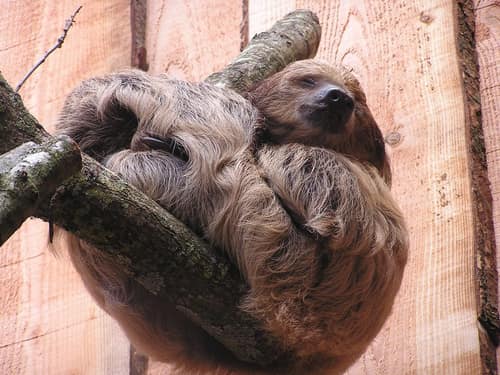
Co-occupant Régis Leroy / CC BY 2.0 · CC BY 2.0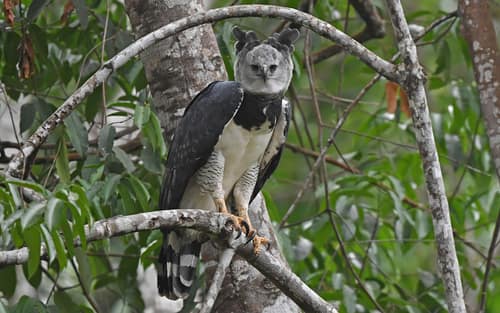
Predator (c) Christoph Moning, some rights reserved (CC BY), uploaded by Christoph Moning · cc-by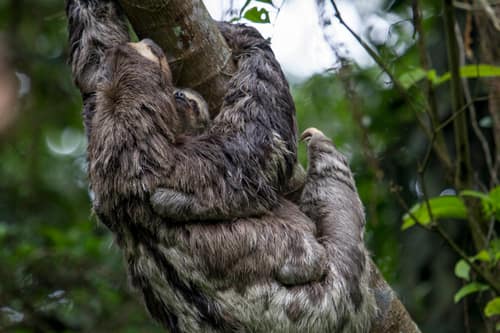
Close Relative (c) Bruno Henrique Aranda, some rights reserved (CC BY), uploaded by Bruno Henrique Aranda · cc-by
Help improve the field guideSomething wrong?
Checking your Fauna account…Report a name, category, or profile issue for review.