
Mammal
Masked Shrew
Sorex cinereusAlso known as Cinereus Shrew, Common Shrew
Masked shrews are hyperactive, mouse-sized insectivores with a frenetic metabolism that forces them to eat roughly their own body weight in food every day. They dart through damp leaf litter, mossy logs, and subnivean tunnels beneath winter snow, using high-pitched ultrasonic clicks to echolocate prey and navigate dark runways. Females raise one to three litters of tiny, blind young each summer in spherical nests of woven grass and leaves tucked under rotting wood.
InsectivorousEcholocatingActive Year-Round
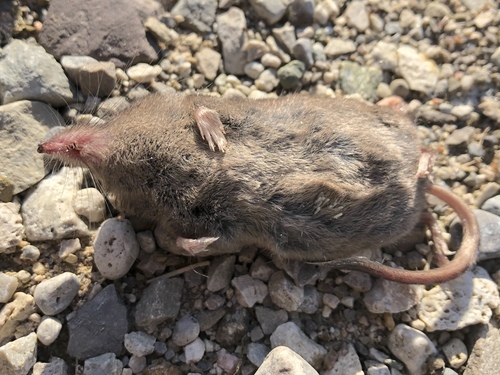
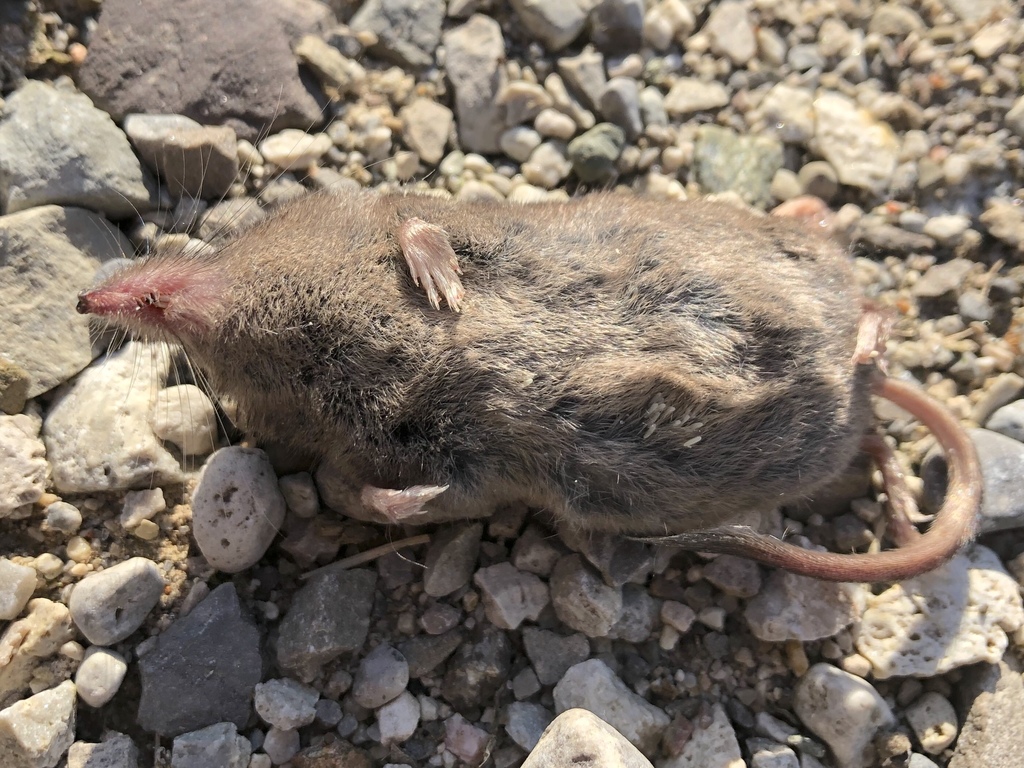
—observations
—countries
—peak records
Least ConcernConservation statusIUCN Red List categoriesLCNTVUENCREWEXLeast ConcernRed List categories, explained →
Diet & preyBeetles, Caterpillars, Spiders
Predators
- Owls
- Weasels
- Garter Snakes
ThreatsHabitat fragmentation, wetland drainage, and predation by domestic cats
HabitatsMoist forests, bogs, meadows, tundra, and dense leaf litter across Alaska, Canada, and the northern United States
Life span12–18 months in the wild
Classification
- OrderSoricomorpha
- FamilySoricidae
- GenusSorex
- SpeciesSorex cinereus
Range data is not available yet.
Interaction riskModerate
- Low
- Moderate
- High
- Very high
- Why interaction risk is moderate
- Safe to observe at a normal distance; never handle wild shrews, as they stress easily and may nip.
Responsible observation
- Listen Quietly: High-pitched twitters and rustles in damp leaf litter often betray a foraging shrew before you spot it.
- Watch Cover Edges: Scan along mossy logs and wet bog margins at dusk or dawn without disturbing resting shelter.
- Hands Off: Never pick up a wild shrew, as their rapid heart rate makes capture stress potentially fatal.
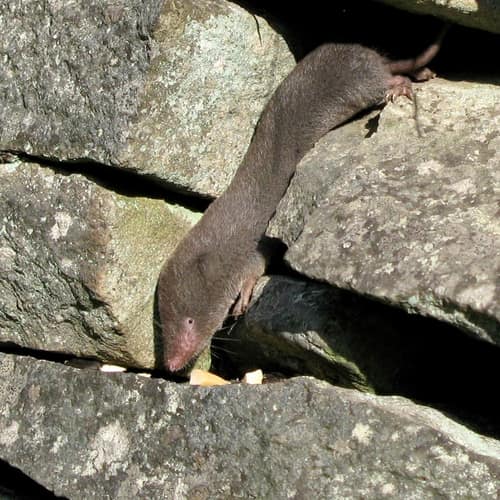
Competitor (c) Gilles Gonthier, some rights reserved (CC BY) · cc-by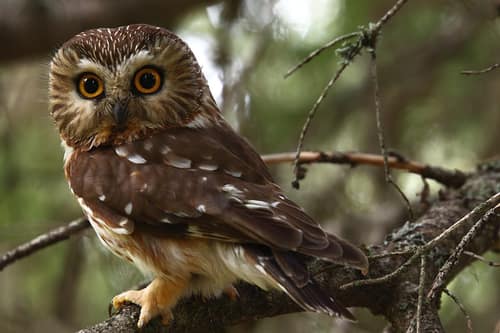
Predator Kameron Perensovich / CC BY-SA 2.0 · cc-by-sa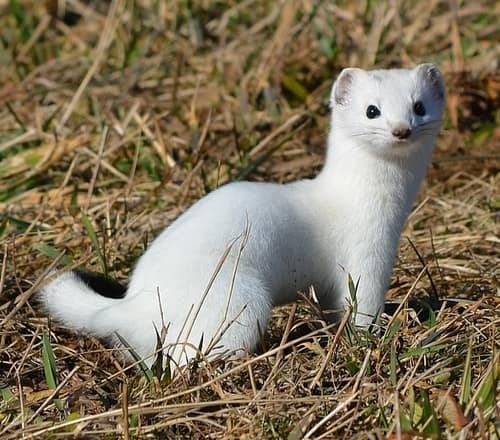
Predator (c) E. A., some rights reserved (CC BY), uploaded by E. A. · cc-by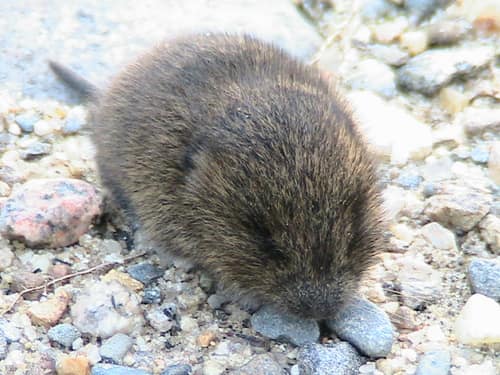
Neighbor Needsmoreritalin (talk) / CC BY 3.0 · cc-by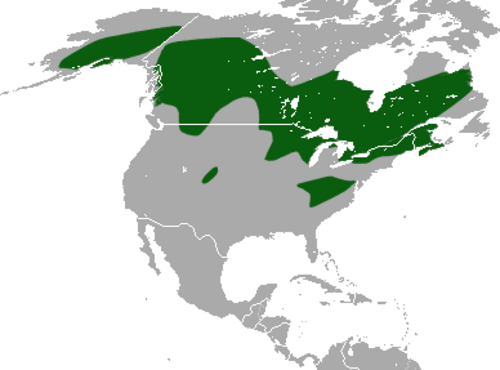
Close Relative Chermundy / CC BY-SA 3.0 · cc-by-sa Image unavailable
Close Relative
Help improve the field guideSomething wrong?
Checking your Fauna account…Report a name, category, or profile issue for review.