
Mammal
Northern Short-tailed Shrew
Blarina brevicaudaAlso known as Short-tailed Shrew, Mole Shrew, Large Short-tailed Shrew
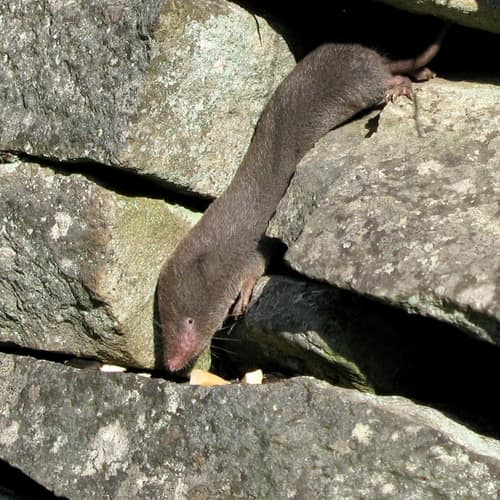
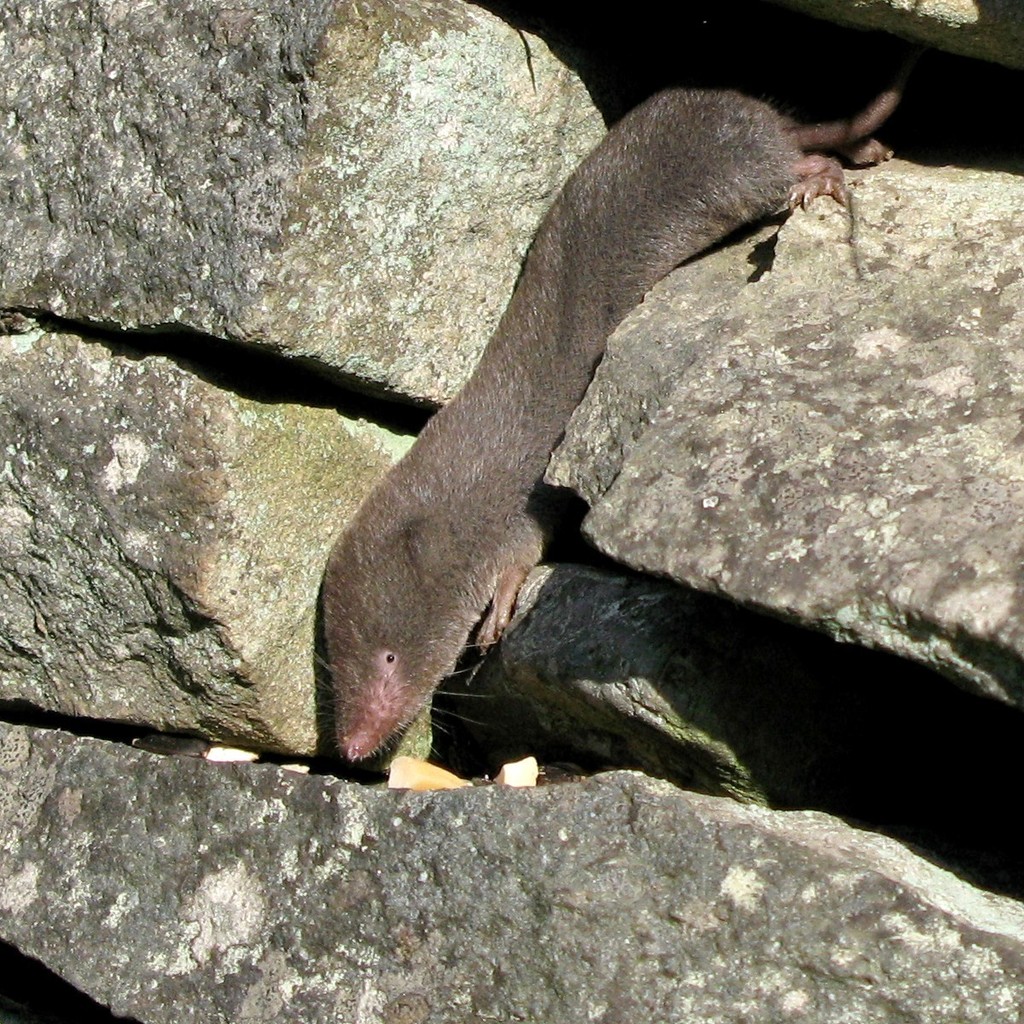
Fueled by a blistering metabolic rate, this solitary hunter must consume up to three times its body weight in food every day to survive. It navigates dark subterranean tunnels and dense leaf litter using crude echolocation, emitting high-frequency ultrasonic clicks to sense its immediate surroundings. Submaxillary glands secrete a paralytic venom through grooved incisors, enabling it to immobilize prey as large as salamanders, mice, and frogs for winter caching.
VenomousFossorialInsectivorous
—observations
—countries
—peak records
Least ConcernConservation statusIUCN Red List categoriesLCNTVUENCREWEXLeast ConcernRed List categories, explained →
Diet & preyEarthworms, Land Snails, Beetle Larvae
Predators
- Barn Owl
- Red-tailed Hawk
- Red Fox
ThreatsHabitat fragmentation, pesticide exposure reducing prey availability, and domestic cat predation
HabitatsDeciduous and coniferous forests, shrubby borders, overgrown fields, and grassy riverbanks
Life span1–2 years
Classification
- OrderSoricomorpha
- FamilySoricidae
- GenusBlarina
- SpeciesBlarina brevicauda
Range data is not available yet.
Interaction riskVery high
- Low
- Moderate
- High
- Very high
- Why interaction risk is very high
- Possesses a venomous bite that causes localized pain and swelling; never handle with bare hands.
- Why it is dangerous
- Salivary glands produce blarina toxin, a kallikrein-like protease that causes intense localized burning, erythema, and severe swelling when bitten.
- How to recognize a risky encounter
- Look for dense slate-gray fur, an exceptionally short tail under three centimeters, and tiny eyes concealed beneath velvety fur.
- What to do
- Do not attempt to touch or trap by hand; use a deep container or thick work gloves if removal is necessary.
Responsible observation
- Listen closely: A rustling in damp forest leaf litter followed by high-pitched chirps often reveals an active shrew.
- Do not handle: Wear thick gloves if moving one from a window well, as its bite delivers a painful paralytic toxin.
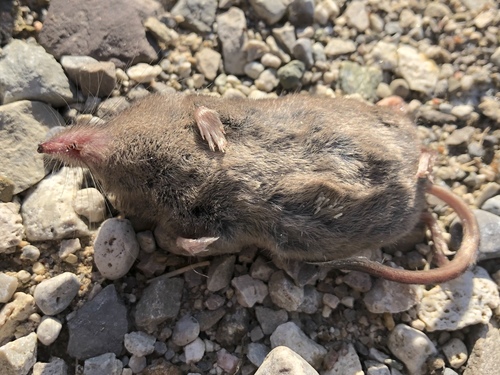
Competitor (c) Dan MacNeal, some rights reserved (CC BY), uploaded by Dan MacNeal · cc-by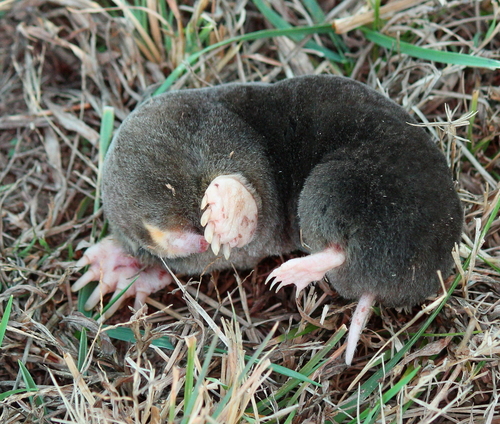
Frequent Companion (c) mayfly1963, some rights reserved (CC BY), uploaded by mayfly1963 · cc-by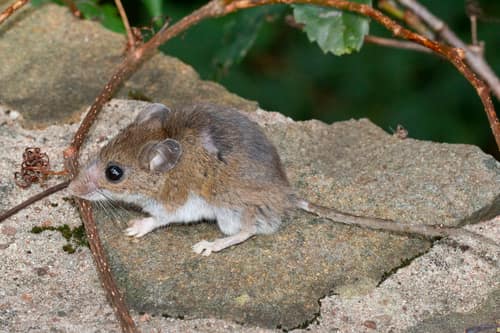
Prey (c) Kristof Zyskowski, some rights reserved (CC BY), uploaded by Kristof Zyskowski · cc-by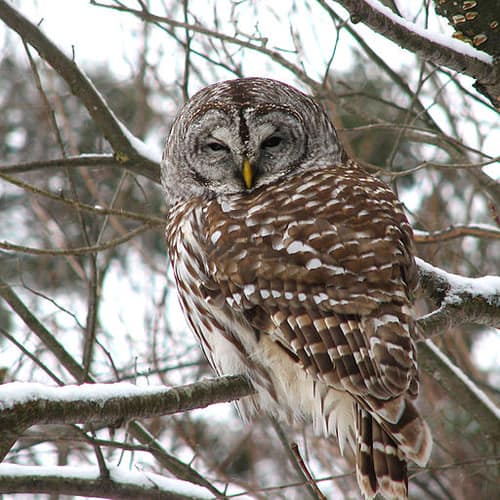
Predator U.S. Fish and Wildlife Service Headquarters / Public domain · cc0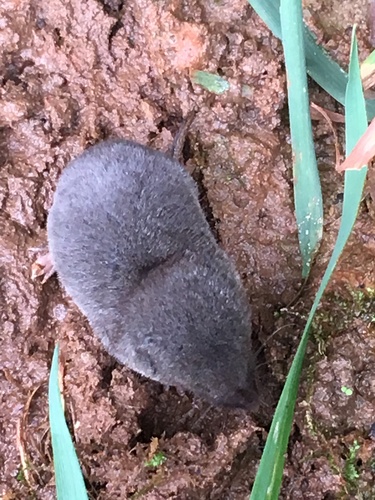
Close Relative (c) Luke, some rights reserved (CC BY) · cc-by
Help improve the field guideSomething wrong?
Checking your Fauna account…Report a name, category, or profile issue for review.