
Mammal · GBIF taxon 2435289
Steller's Sea Cow
Hydrodamalis gigasAlso known as Great Northern Sea Cow, Bering Sea Cow
Steller's sea cows were colossal marine herbivores uniquely adapted to frigid subpolar waters, relying on a thick layer of blubber and deeply furrowed bark-like skin to endure icy Bering Sea storms. They lacked functional teeth and hand bones, using bristled keratinous mouth plates and hook-shaped forelimbs to rip massive kelp fronds from shallow rocky seabeds. Highly social and monogamous, family groups fiercely guarded injured herd members, a devoted behavior that tragically accelerated their swift eradication by eighteenth-century seal hunters.
Marine MammalHerbivorous
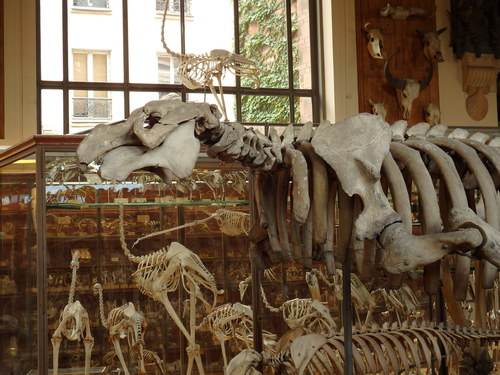
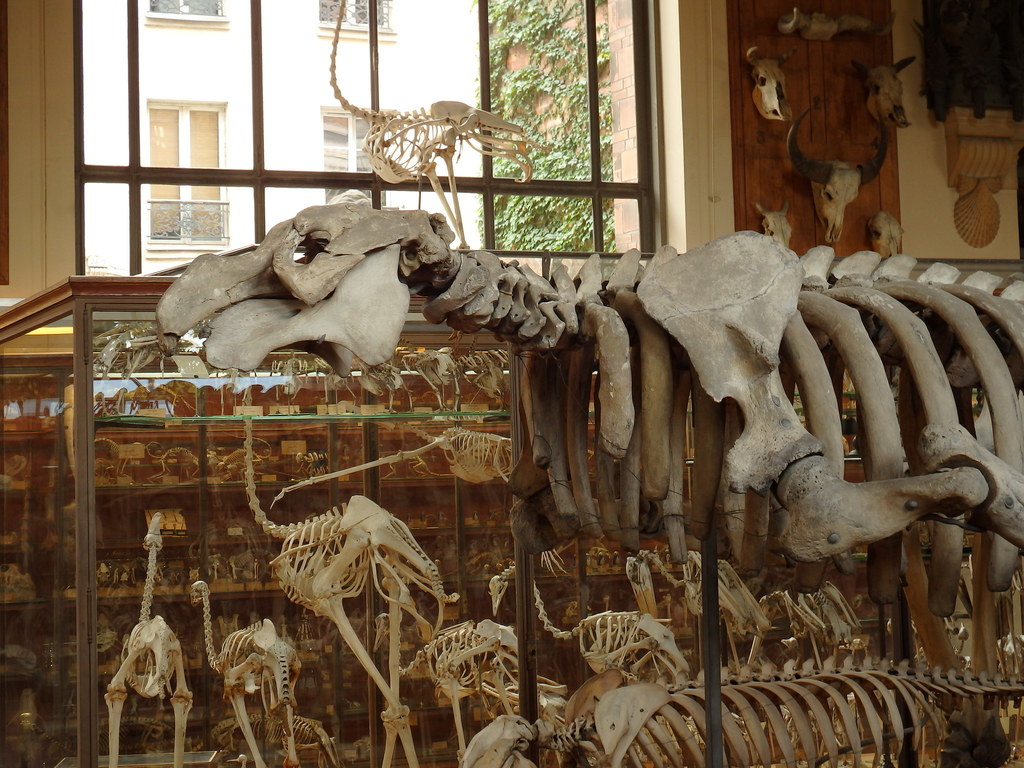
—observations
—countries
—peak records
ExtinctConservation statusIUCN Red List categoriesLCNTVUENCREWEXExtinctRed List categories, explained →
Diet & prey
- Bull kelp
- Giant kelp
- Alaria species
Predators
- Human
- Orca
- Great white shark
ThreatsIntense overhunting by fur traders for meat, fat, and skin; ecological collapse driven by sea otter depletion.
HabitatsShallow, rocky subarctic coastal waters and kelp forests.
Life span50–90 years
Classification
- FamilyDugongidae
- SpeciesHydrodamalis gigas
Range data is not available yet.
Interaction riskLow
- Low
- Moderate
- High
- Very high
- Why interaction risk is low
- Extinct species; no living individuals exist to observe.
Responsible observation
- Fossil Study: Examine reconstructed skeletal mounts preserved in natural history museums across Russia and Europe.
- Historical Context: Read Georg Wilhelm Steller's 1751 work 'On the Beasts of the Sea' for firsthand field observations.
- Ecological Awareness: Study modern kelp forest dynamics to understand the ecological void left by megaherbivore loss.
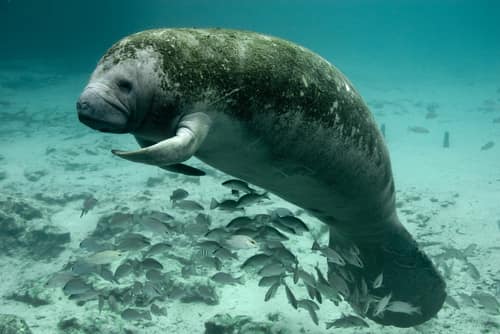
Same Order (c) U.S. Fish and Wildlife Service Headquarters, some rights reserved (CC BY) · cc-by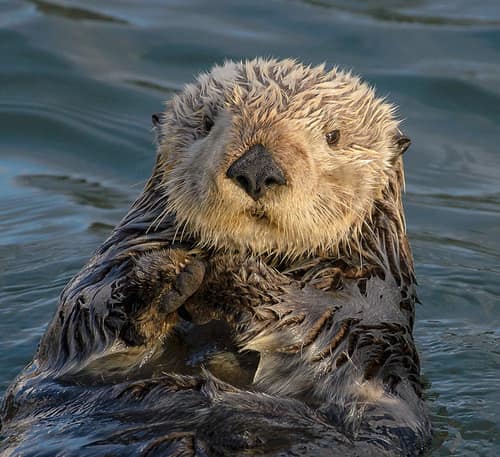
Competitor Marshal Hedin from San Diego / CC BY-SA 2.0 · cc-by-sa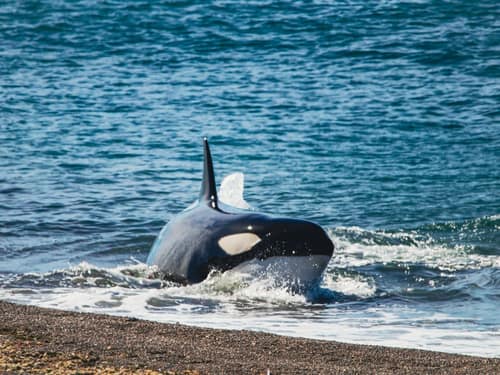
Predator (c) Martín Acosta Albarracín, some rights reserved (CC BY), uploaded by Martín Acosta Albarracín · cc-by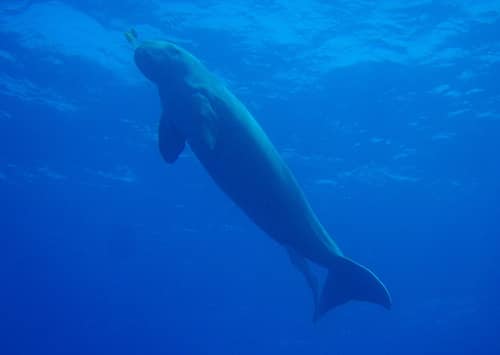
Close Relative Gejuni / CC BY-SA 3.0 de · cc-by-sa
Help improve the field guideSomething wrong?
Checking your Fauna account…Report a name, category, or profile issue for review.