
Mammal
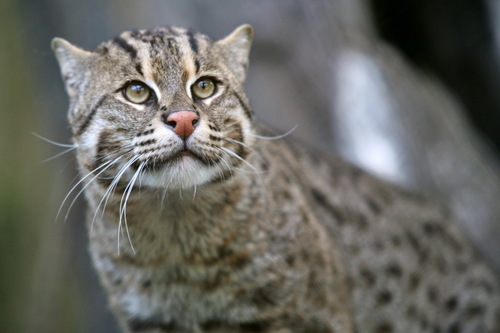
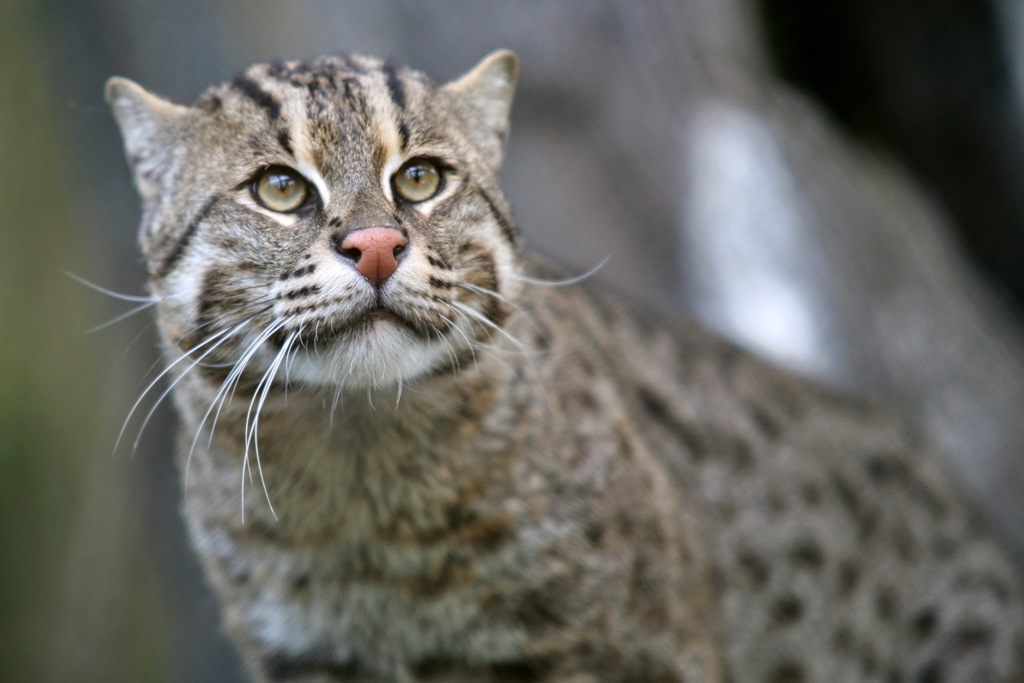
Fishing Cat
Prionailurus viverrinusUnlike most felines that avoid water, this stocky predator plunges headfirst into murky marshes to scoop out fish with partially webbed front paws. Double-layered water-resistant fur insulates its body during deep dives, while a muscular, rudder-like tail helps steer through strong currents. Rapid conversion of coastal mangroves and freshwater wetlands for agriculture and aquaculture poses an ongoing crisis for its remaining strongholds.
Semi-AquaticNocturnalCarnivore
—observations
—countries
—peak records
VulnerableConservation statusIUCN Red List categoriesLCNTVUENCREWEXVulnerableRed List categories, explained →
Diet & preyFreshwater Fish, Waterfowl, Rodents
Predators
- Bengal Tiger
- Mugger Crocodile
- Indian Leopard
ThreatsWetland destruction, aquaculture expansion, urbanization, and retaliatory poaching
HabitatsSwamps, reed beds, marshes, oxbow lakes, and mangrove forests
Life span10–12 years in the wild (up to 15 years in captivity)
Classification
- FamilyFelidae
- SpeciesPrionailurus viverrinus
Range data is not available yet.
Interaction riskLow
- Low
- Moderate
- High
- Very high
- Why interaction risk is low
- Powerful wild predator capable of inflicting deep bites or scratches if cornered; observe from a distance.
- What to notice
- Look for a stocky, grey-olive cat with dark spots, parallel forehead stripes, and a conspicuously short tail.
- Support conservation
- Maintain a wide berth during field encounters and never disclose precise denning locations on public forums.
Responsible observation
- Quiet Night Watching: Use red-filtered flashlights to spot eye shine around marsh margins without causing distress.
- Wetland Respect: Stay on designated boardwalks or boat channels to avoid damaging fragile bank vegetation.
- No Baiting: Never attempt to lure individuals with raw fish or food waste, which promotes habituation.
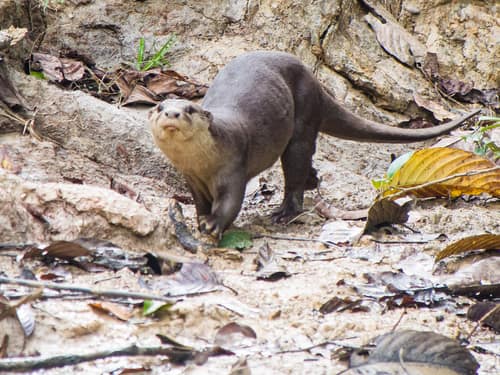
Competitor "Smooth-coated Otter" by Mike Prince is licensed under CC BY 2.0. To view a copy of this license, visit https://creativecommons.org/licenses/by/2.0/. · cc-by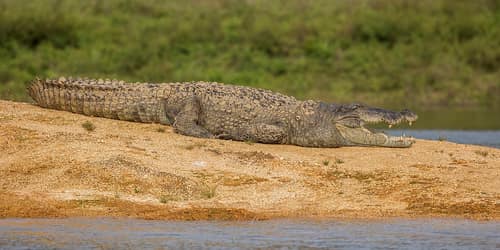
Predator Charles J. Sharp / CC BY-SA 4.0 · cc-by-sa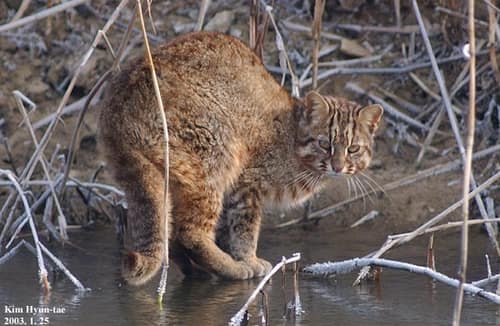
Close Relative (c) Kim, Hyun-tae, some rights reserved (CC BY), uploaded by Kim, Hyun-tae · cc-by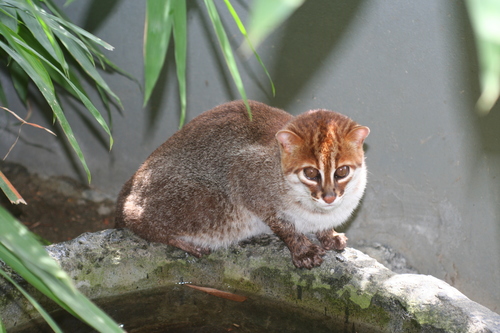
Close Relative (c) Jim Sanderson, alguns direitos reservados (CC BY-SA) · cc-by-sa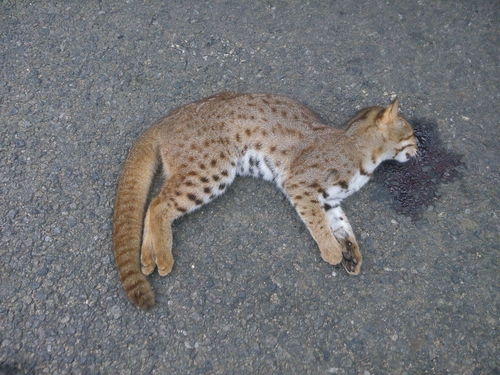
Close Relative (c) Ashwin Viswanathan, some rights reserved (CC BY), uploaded by Ashwin Viswanathan · cc-by
Help improve the field guideSomething wrong?
Checking your Fauna account…Report a name, category, or profile issue for review.