
Mammal · GBIF taxon 2434806
Grey Seal
Halichoerus grypusAlso known as Gray Seal, Horsehead Seal, Atlantic Seal, Hook-Nosed Sea Pig
Grey seals dominate North Atlantic coastlines with their distinctive Roman-nosed profiles and massive body mass. During the autumn breeding season, bulls establish territories on rocky beaches, defending harems with deep, haunting wails and aggressive slap displays. Pups are born with dense white lanugo coats that melt away as they quickly double their birth weight on milk exceptionally rich in fats.
Marine MammalOcean PredatorColonial
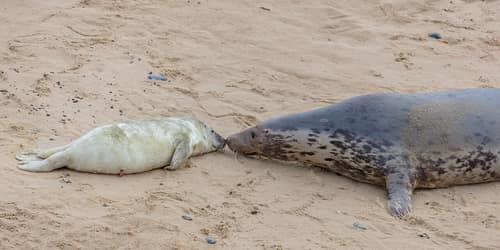
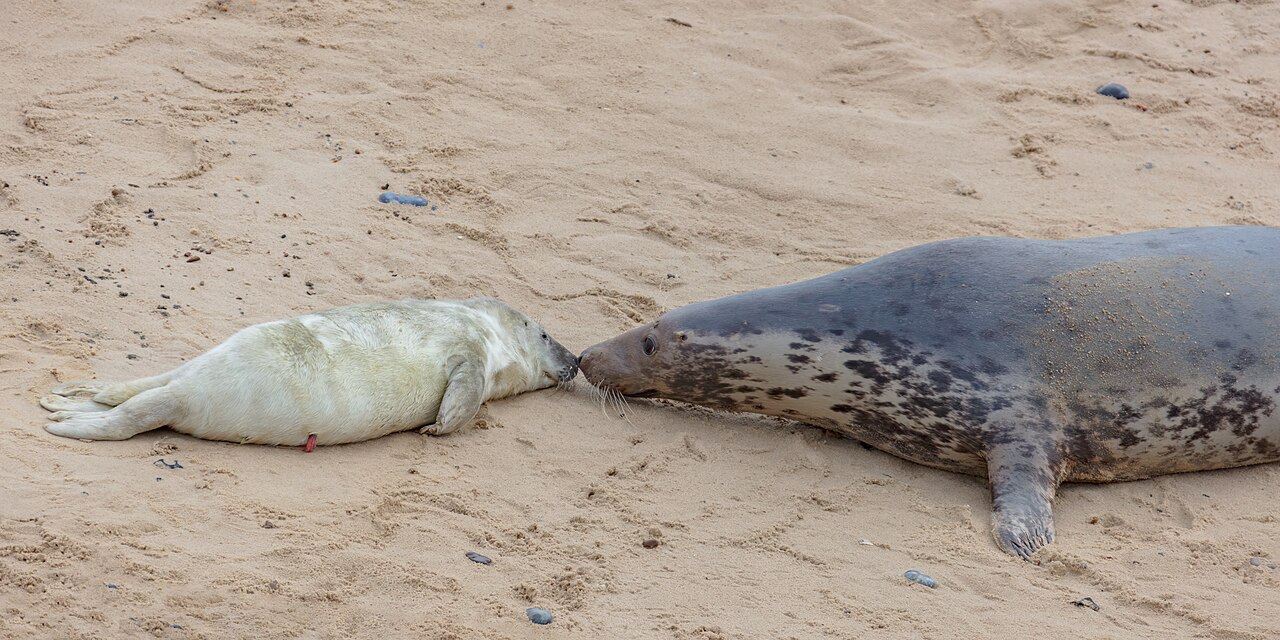
—observations
—countries
—peak records
Least ConcernConservation statusIUCN Red List categoriesLCNTVUENCREWEXLeast ConcernRed List categories, explained →
Diet & prey
- Sand Eels
- Cod
- Herring
Predators
- Orca
- Great White Shark
- Greenland Shark
ThreatsEntanglement in fishing gear, climate change affecting ice breeding, and marine pollution
HabitatsCoastal waters, rocky shores, sandbars, sea caves, and ice floes
Life span25–35 years in the wild
Size / weightNot available
Classification
- FamilyPhocidae
- SpeciesHalichoerus grypus
Range data is not available yet.
Interaction riskHigh
- Low
- Moderate
- High
- Very high
- Why interaction risk is high
- Large wild carnivores with powerful jaws; maintain a respectful distance on beaches, especially near pups.
- Why it is dangerous
- Equipped with massive, bone-crushing jaws and sharp teeth that can inflict severe lacerations and serious bacterial infections like seal finger.
- How to recognize a risky encounter
- Look for a large, long-snouted profile resembling a horse head, distinct spotted coat patterns, and lack of external ear flaps.
- What to do
- Never approach, corner, or touch a seal on land; give adults and pups a wide berth and keep dogs away.
Responsible observation
- Safe Distance: Keep at least 50 meters away on beaches to avoid causing stress or abandonment of pups.
- Pet Safety: Keep dogs leashed near haul-out sites to prevent aggressive encounters and disease transmission.
- Observation: Use binoculars or a telephoto lens to watch vocal displays without disrupting natural colony behavior.
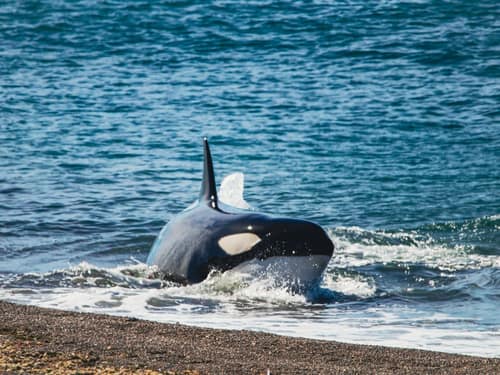
Predator (c) Martín Acosta Albarracín, some rights reserved (CC BY), uploaded by Martín Acosta Albarracín · cc-by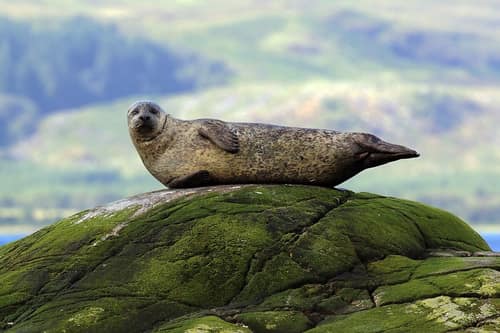
Close Relative Charles J. Sharp / CC BY-SA 4.0 · cc-by-sa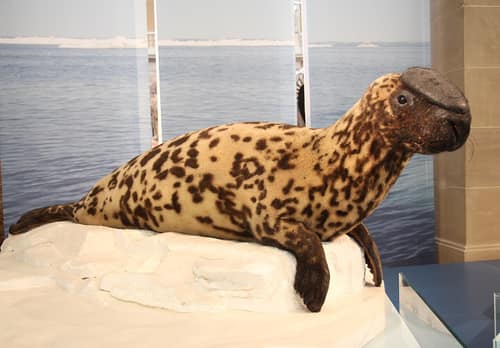
Close Relative Ziko van Dijk / CC BY-SA 4.0 · cc-by-sa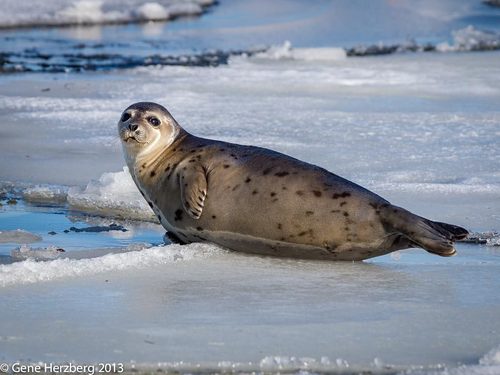
Close Relative (c) Gene Herzberg, some rights reserved (CC BY) · cc-by
Help improve the field guideSomething wrong?
Checking your Fauna account…Report a name, category, or profile issue for review.