
Mammal · GBIF taxon 2434801
Harp Seal
Pagophilus groenlandicusAlso known as Saddleback Seal, Greenland Seal
Harp seals spend most of their lives in the freezing waters of the North Atlantic and Arctic Oceans, migrating thousands of kilometers each year alongside shifting pack ice. Females give birth to iconic white-furred pups on floating ice floes each spring, nursing them on exceptionally fat-rich milk for under two weeks. Adults are easily recognized by their silvery-grey coats marked with a distinct black, harp-shaped saddle pattern across their shoulders.
MarineMigratoryArctic
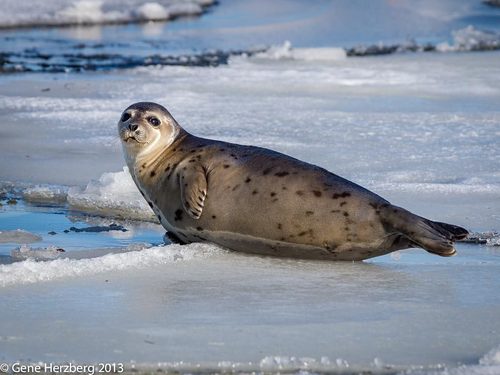
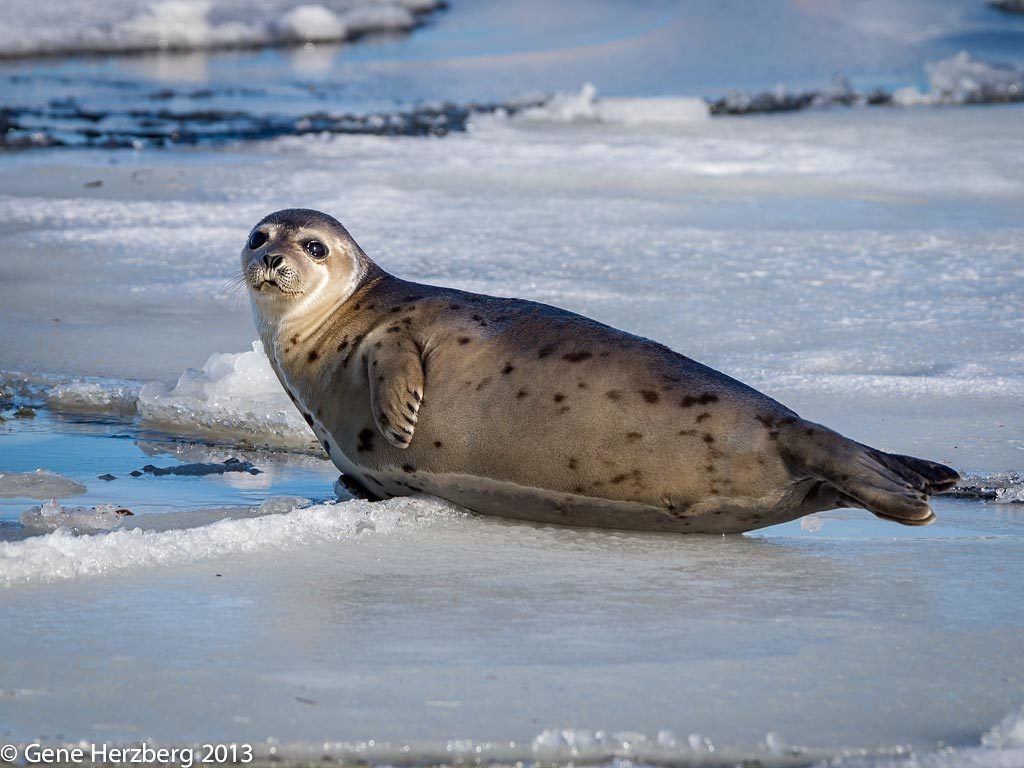
—observations
—countries
—peak records
Near ThreatenedConservation statusIUCN Red List categoriesLCNTVUENCREWEXNear ThreatenedRed List categories, explained →
Diet & prey
- Capelin
- Polar Cod
- Krill
Predators
- Polar Bear
- Orca
- Greenland Shark
ThreatsClimate change reducing sea ice cover, commercial hunting, and fishery bycatch
HabitatsPack ice, open ocean, and northern coastal waters
Life span20–30 years
Classification
- FamilyPhocidae
- SpeciesPagophilus groenlandicus
Range data is not available yet.
Interaction riskHigh
- Low
- Moderate
- High
- Very high
- Why interaction risk is high
- Capable of delivering a painful bite if cornered; keep a respectful distance on ice or land.
- What to notice
- Look for grey adults with dark horseshoe marks or bright white pups resting on floating ice floes.
- Support conservation
- Keep a wide distance on water or ice craft, and never disturb resting mothers or pups.
Responsible observation
- Safe Distance: Keep at least 100 meters away, especially from mothers with young pups on sea ice.
- Optics First: Use binoculars or a long telephoto lens to observe natural behaviors without causing stress.
- Pups on Ice: Avoid approaching whitecoat pups, as human presence can cause mothers to abandon them.
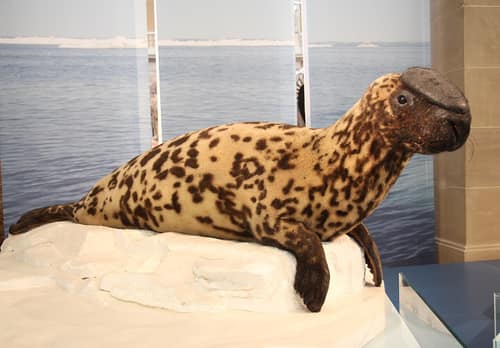
Co-Occurring Species Ziko van Dijk / CC BY-SA 4.0 · cc-by-sa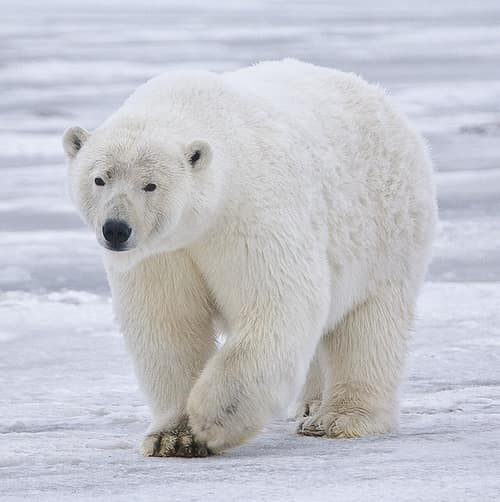
Predator Alan Wilson / CC BY-SA 3.0 · cc-by-sa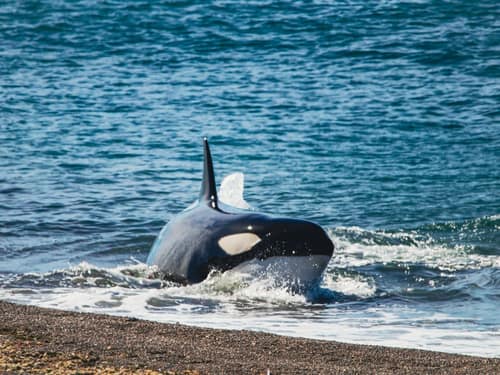
Predator (c) Martín Acosta Albarracín, some rights reserved (CC BY), uploaded by Martín Acosta Albarracín · cc-by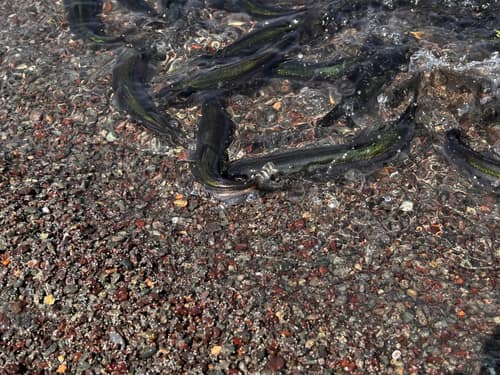
Primary Prey no rights reserved · cc0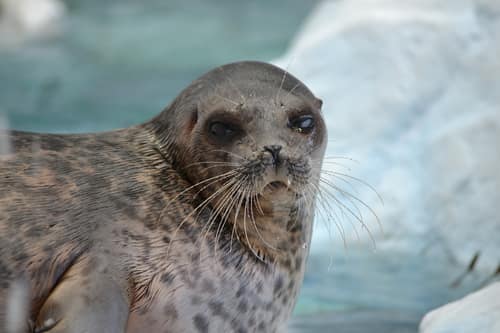
Arctic Relative (c) Kingfisher, some rights reserved (CC BY-SA) · cc-by-sa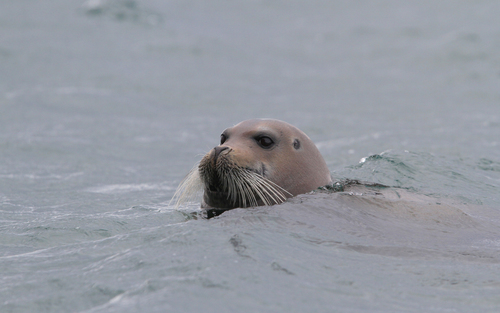
Arctic Relative (c) Christoph Moning, some rights reserved (CC BY), uploaded by Christoph Moning · cc-by
Help improve the field guideSomething wrong?
Checking your Fauna account…Report a name, category, or profile issue for review.