
Mammal · GBIF taxon 2434634
African Civet
Civettictis civettaAlso known as African Civet Cat, Civet Cat
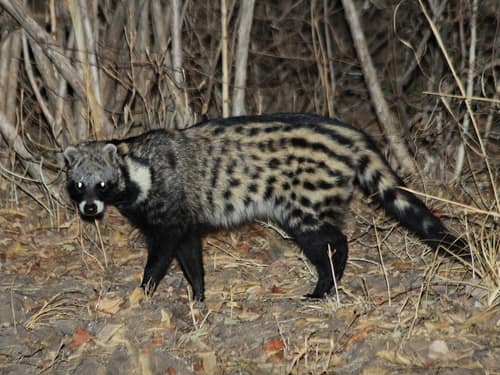
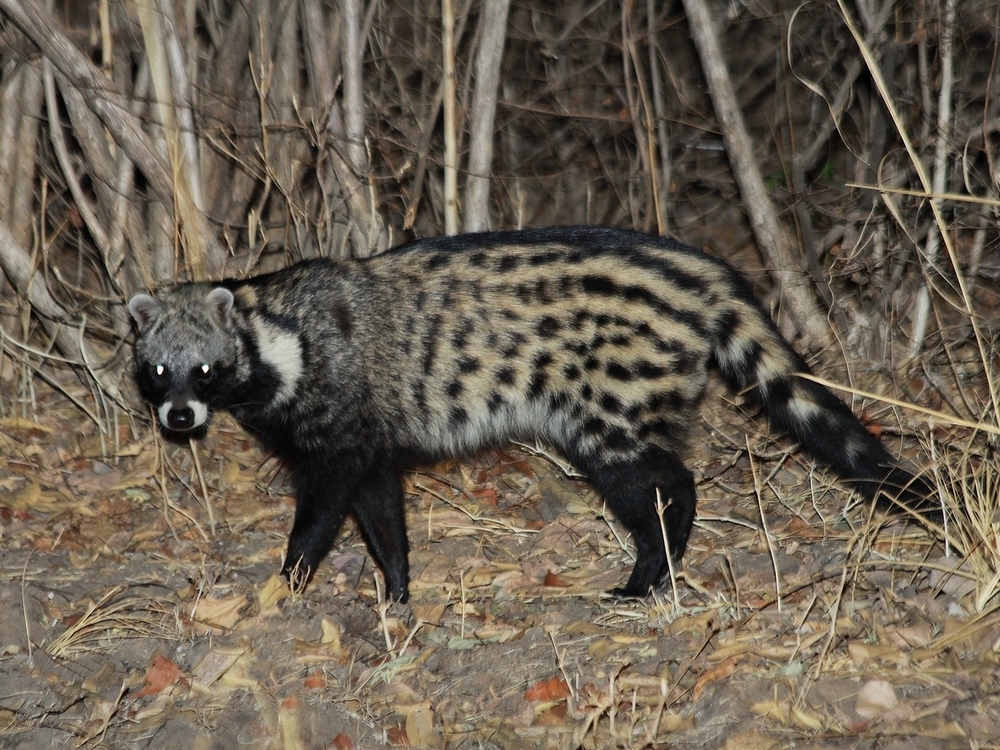
African civets roam sub-Saharan woodlands under the cover of night, utilizing bold black-and-white facial masks and spotted coats for camouflage. These omnivorous foragers play a crucial seed dispersal role by consuming wild fruits alongside rodents, snakes, and even toxic millipedes that other predators avoid. When threatened, they erect a prominent crest of hair along their spine and produce a strong, musky secretion from specialized perineal glands.
NocturnalSolitaryMammal
 1 / 7
1 / 7—observations
—countries
—peak records
Least ConcernConservation statusIUCN Red List categoriesLCNTVUENCREWEXLeast ConcernRed List categories, explained →
Diet & prey
- Small Rodents
- Millipedes
- Wild Fruits
Predators
- Leopard
- Lion
- Spotted Hyena
ThreatsHunting for bushmeat, live capture for perfume trade, local persecution
HabitatsSavannas, woodlands, riverine forests, secondary forests
Life span10–12 years in the wild; up to 20 years in captivity
Size / weightNot available
Classification
- FamilyViverridae
- SpeciesCivettictis civetta
Range data is not available yet.
Interaction riskLow
- Low
- Moderate
- High
- Very high
- Why interaction risk is low
- Capable of delivering a painful bite if cornered; keep a respectful distance during night sightings.
- Why it is dangerous
- Possesses strong jaws and sharp canine teeth capable of inflicting deep puncture wounds if cornered or restrained.
- How to recognize a risky encounter
- Look for a raccoon-like black eye mask, white neck stripes, and a coarse spotted coat with a dark dorsal ridge.
- What to do
- Observe quietly from a vehicle or safe distance; never approach, corner, or attempt to handle wild individuals.
Responsible observation
- Night Spotting: Scan lower tree branches and thickets with a red filter flashlight to spot their distinctive eye shine.
- Civet Latrines: Look near prominent rocks or fallen logs for communal dung piles that mark territorial boundaries.
- Give Space: Maintain distance if met on foot, as cornered animals aggressively defend themselves.
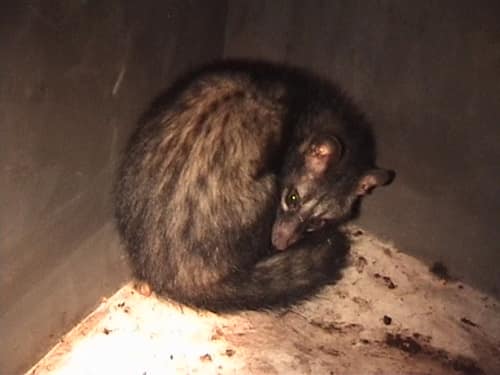
Ecological Counterpart (c) Prashanth N S, some rights reserved (CC BY), uploaded by Prashanth N S · cc-by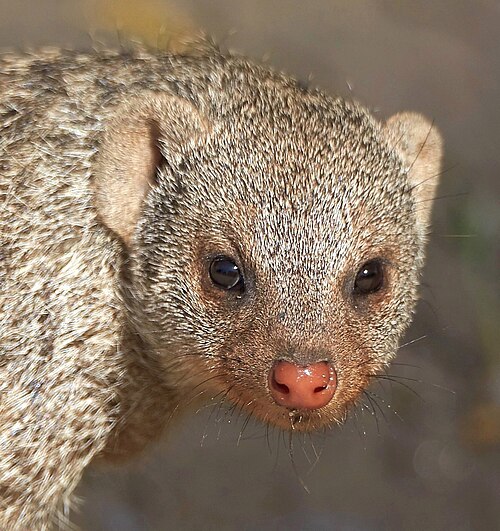
Competitor Axel Tschentscher / CC BY-SA 4.0 · cc-by-sa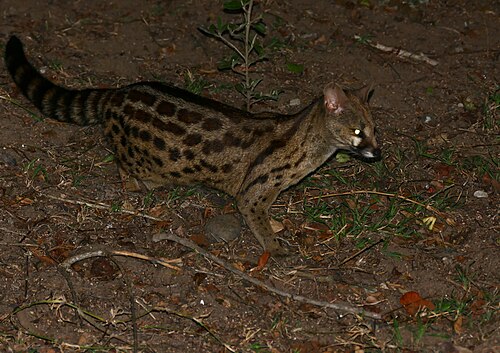
Close Relative Bernard DUPONT from FRANCE / CC BY-SA 2.0 · cc-by-sa
Help improve the field guideSomething wrong?
Checking your Fauna account…Report a name, category, or profile issue for review.