
Mammal
Island Fox
Urocyon littoralisAlso known as Channel Islands Fox, California Channel Island Fox, Coast Fox, Insular Gray Fox
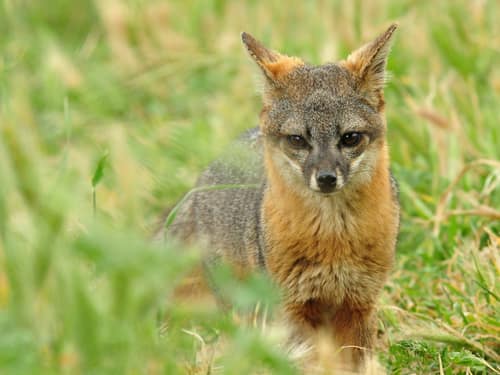
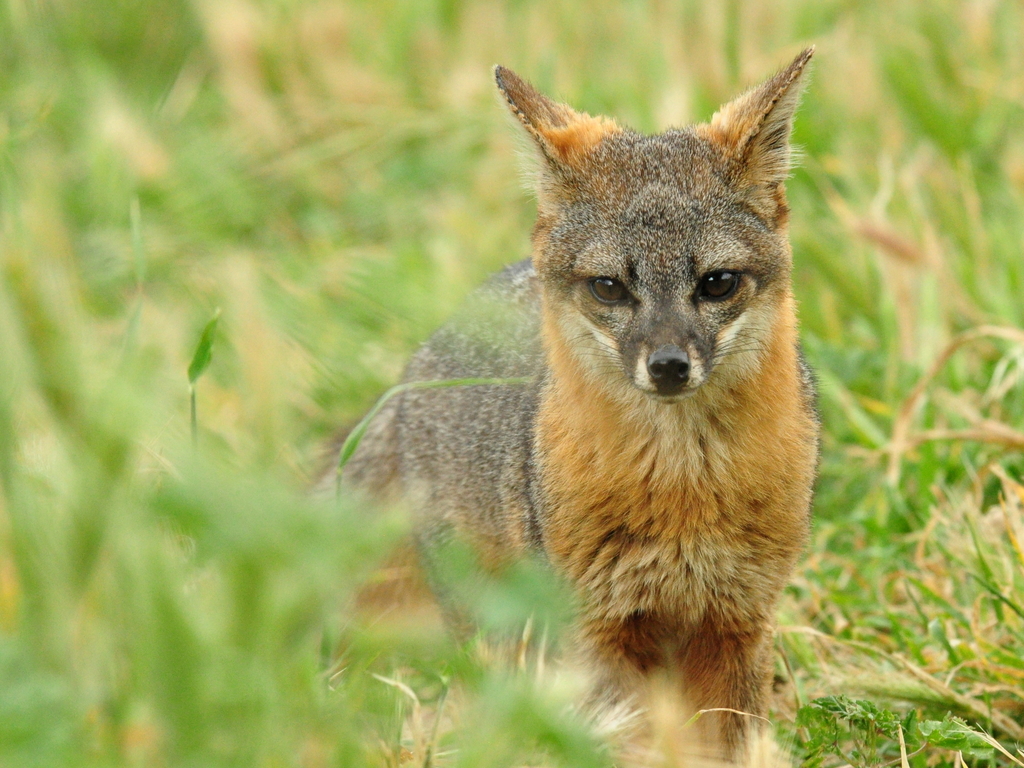
Island foxes are miniature canids roughly the size of a domestic cat, displaying classic insular dwarfism across six of California's Channel Islands. Unlike their wary mainland ancestors, they show remarkable boldness around human settlements and vocalize with high-pitched barks and growls. Monogamous breeding pairs cooperatively patrol territory boundaries throughout the day and night, foraging flexibly across bluffs, chaparral, and coastal dunes.
EndemicCarnivoreDwarf Species
—observations
—countries
—peak records
Near ThreatenedConservation statusIUCN Red List categoriesLCNTVUENCREWEXNear ThreatenedRed List categories, explained →
Diet & preyDeer Mouse, Jerusalem Cricket, Prickly Pear Fruit
Predators
- Golden Eagle
- Red-tailed Hawk
ThreatsCanine diseases, golden eagle predation, vehicle collisions, low genetic diversity
HabitatsCoastal sage scrub, chaparral, oak woodland, coastal dunes
Life span4–6 years in the wild (up to 10–12 years in captivity)
Classification
- FamilyCanidae
- SpeciesUrocyon littoralis
Range data is not available yet.
Interaction riskModerate
- Low
- Moderate
- High
- Very high
- Why interaction risk is moderate
- Docile but wild; can deliver a painful bite or scratch if cornered or fed by hand.
- Why it is dangerous
- Capable of inflicting deep puncture bites and lacerations with sharp canines and claws if startled, cornered, or handled.
- How to recognize a risky encounter
- Look for a diminutive cat-sized canid with salt-and-pepper grey fur on top, bright cinnamon flanks, and a black tail stripe.
- What to do
- Never offer food or attempt to touch a fox; slowly back away to leave an open escape route.
- What to notice
- Easily identified by their tiny stature, bushy black-tipped tail, and habit of trotting through campgrounds and trails in broad daylight.
- Support conservation
- Observe silently from maintained paths, disinfect outdoor footwear before arriving, and never bring mainland pets to the islands.
Responsible observation
- Keep Distance: Maintain at least 15 meters and resist the urge to approach despite their tame demeanor.
- Secure Food: Lock away all food, trash, and scented items in fox-proof storage to avoid habituation.
- Drive Carefully: Slow down on island roads, particularly at dawn and dusk when foraging activity peaks.
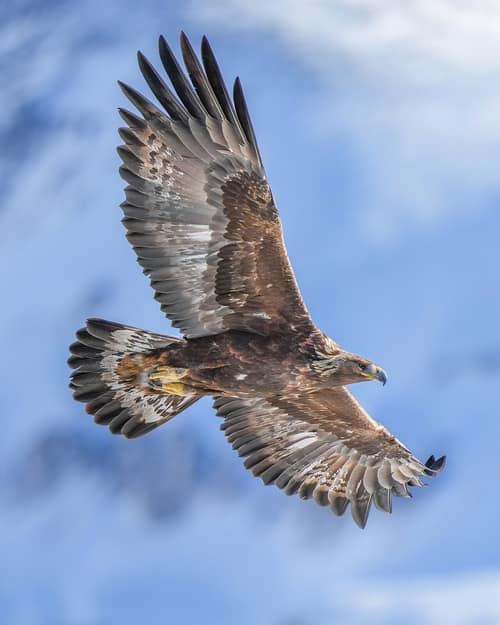
Predator Giles Laurent / CC BY-SA 4.0 · cc-by-sa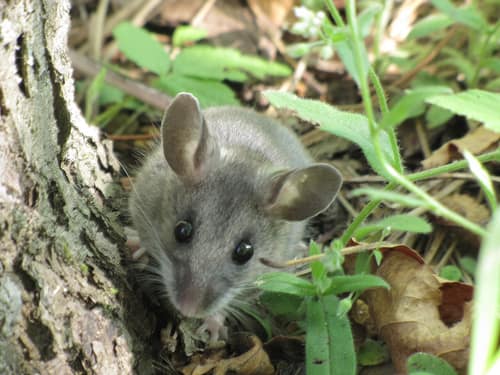
Prey Seney Natural History Association / CC BY-SA 2.0 · cc-by-sa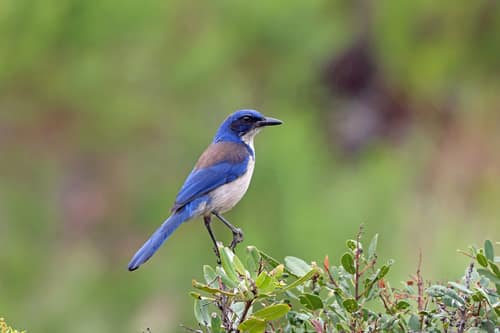
Competitor (c) Nigel Voaden, some rights reserved (CC BY) · cc-by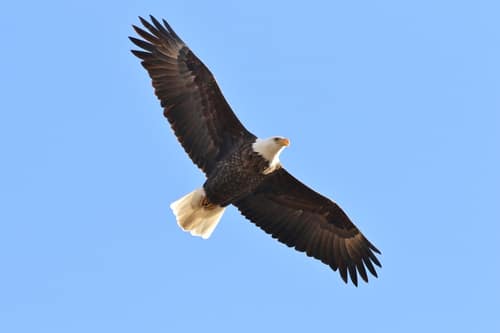
Frequent Companion (c) Thibaud Aronson, some rights reserved (CC BY-SA), uploaded by Thibaud Aronson · cc-by-sa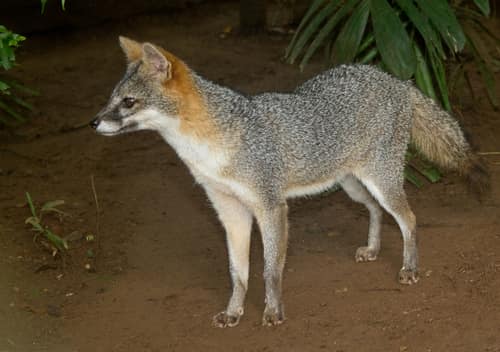
Close Relative (c) Brian Gratwicke, some rights reserved (CC BY) · cc-by
Help improve the field guideSomething wrong?
Checking your Fauna account…Report a name, category, or profile issue for review.