
Mammal · GBIF taxon 2434552
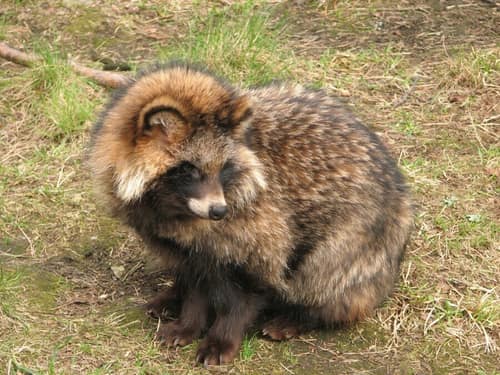
Tanuki
Nyctereutes procyonoidesAlso known as Common Raccoon Dog, Asian Raccoon Dog, Chinese Raccoon Dog, Magnut
Asian raccoon dogs are stocky, short-legged canids that navigate dense underbrush and wetland edges in search of fruits, invertebrates, and small vertebrates. Uniquely suited among canids for climbing trees and entering winter torpor, they spend cold months resting in underground burrows or hollow trunks. These adaptable mammals live in monogamous pairs that forage together and cooperatively raise large litters of up to ten pups.
NocturnalOmnivoreTree-Climbing

—observations
—countries
—peak records
Least ConcernConservation statusIUCN Red List categoriesLCNTVUENCREWEXLeast ConcernRed List categories, explained →
Diet & prey
- Voles and Mice
- Amphibians
- Wild Berries and Nuts
Predators
- Gray Wolf
- Eurasian Lynx
- Golden Eagle
ThreatsHabitat fragmentation, vehicle collisions, fur hunting, disease outbreaks
HabitatsDeciduous forests, wetlands, river valleys, cropland edges
Life span6–8 years in the wild; up to 14 years in captivity
Size / weightNot available
Classification
- FamilyCanidae
- SpeciesNyctereutes procyonoides
Range data is not available yet.
Interaction riskModerate
- Low
- Moderate
- High
- Very high
- Why interaction risk is moderate
- May carry rabies, mange, or parasites, and can bite if cornered; keep a respectful distance.
- Why it is dangerous
- Can transmit zoonotic pathogens such as rabies and sarcoptic mange, and possesses sharp teeth capable of inflicting deep bites when threatened.
- How to recognize a risky encounter
- Look for a stocky body, dark facial mask across the eyes, rounded ears, short legs, and a short bushy tail.
- What to do
- Never approach, corner, or handle wild individuals; contact local wildlife authorities if you spot an animal that appears sick or distressed.
Responsible observation
- Maintain Distance: Observe from afar as cornered individuals will defend themselves.
- Secure Trash: Store food waste in sealed bins to prevent drawing nocturnal animals into yards.
- Leash Dogs: Keep pets restrained in woodland areas where burrows may be active.
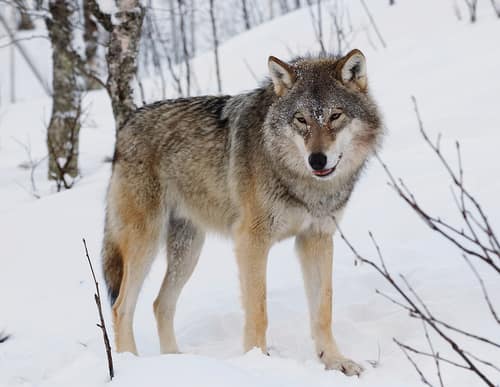
Predator User:Mas3cf / CC BY-SA 4.0 · cc-by-sa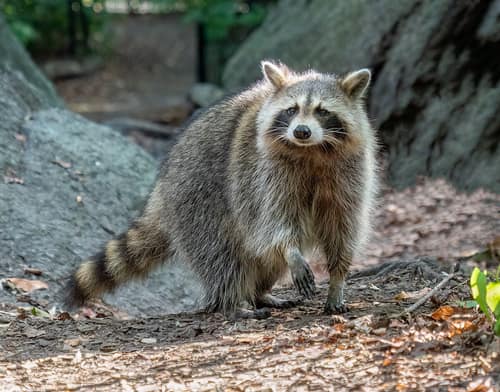
Look-Alike Rhododendrites / CC BY-SA 4.0 · cc-by-sa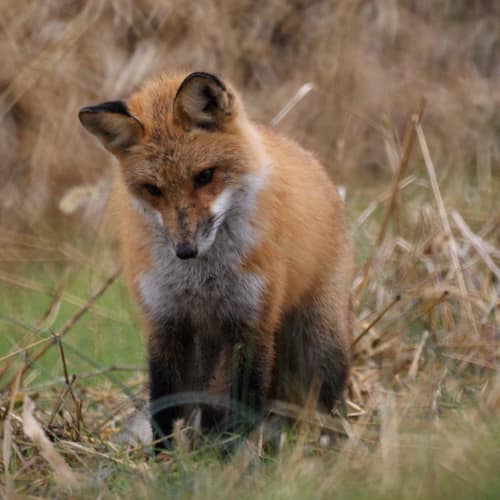
Close Relative "Red Fox" by Mike's Birds is licensed under CC BY-SA 2.0. To view a copy of this license, visit https://creativecommons.org/licenses/by-sa/2.0/. · cc-by-sa
Help improve the field guideSomething wrong?
Checking your Fauna account…Report a name, category, or profile issue for review.