
Mammal · GBIF taxon 2434165
Common Dwarf Mongoose
Helogale parvulaAlso known as Dwarf Mongoose
Common dwarf mongooses are Africa's smallest carnivores, living in tight-knit social packs led by a dominant alpha pair who are usually the only individuals allowed to breed. Pack members work together to raise young, maintain lookout duties on raised mounds, and groom one another to reinforce group bonds. They often form cooperative hunting partnerships with hornbills, which flush insects from the grass while alerting the mongooses to incoming aerial predators.
SocialDiurnalCooperative
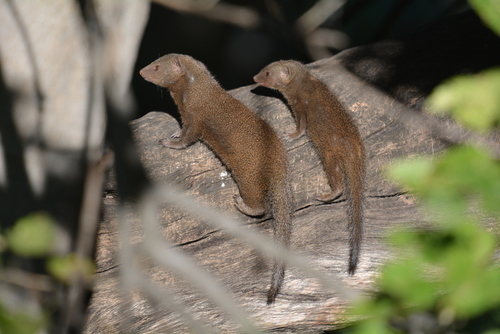
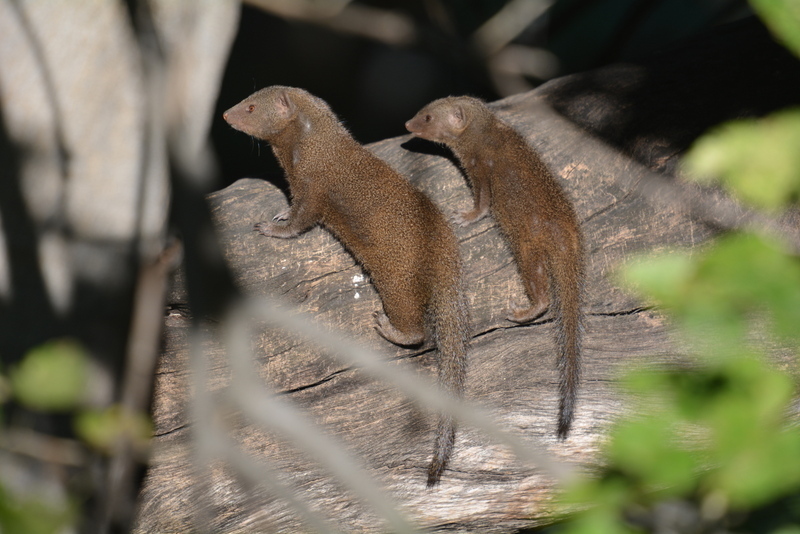
—observations
—countries
—peak records
Least ConcernConservation statusIUCN Red List categoriesLCNTVUENCREWEXLeast ConcernRed List categories, explained →
Diet & prey
- Beetles
- Termites
- Lizards
Predators
- Martial Eagle
- African Rock Python
- Black-Backed Jackal
ThreatsHabitat alteration, domestic dogs, road mortality
HabitatsSavanna, open woodland, bushveld, termite mound complexes
Life span6–10 years in the wild
Size / weightNot available
Classification
- OrderCarnivora
- FamilyHerpestidae
- GenusHelogale
- SpeciesHelogale parvula
Range data is not available yet.
Interaction riskLow
- Low
- Moderate
- High
- Very high
- Why interaction risk is low
- Capable of biting defensively if cornered; observe quiet packs from a respectful distance.
Responsible observation
- Look Near Termite Mounds: Scan active or abandoned termite mounds during early morning hours when packs emerge to sunbathe.
- Listen for Warning Calls: High-pitched chirps and chittering sounds signal sentries warning the pack of approaching dangers.
- Maintain Distance: Give foraging packs plenty of space so they can feed naturally without retreating into burrows.
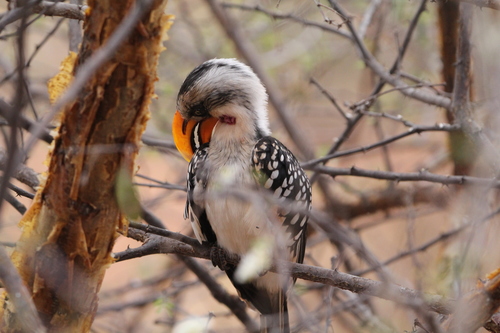
Symbiont (c) Stefan Haag, some rights reserved (CC BY) · cc-by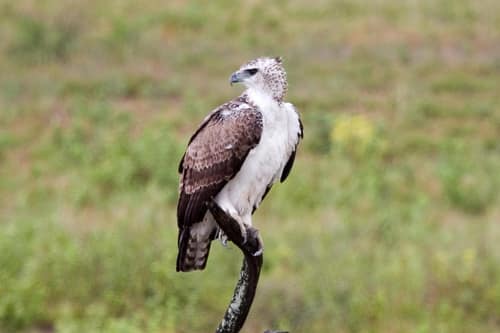
Predator (c) Dan Harville, some rights reserved (CC BY-SA), uploaded by Dan Harville · cc-by-sa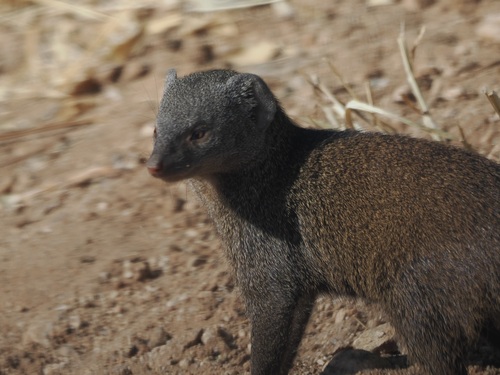
Close Relative (c) Jono, some rights reserved (CC BY) · cc-by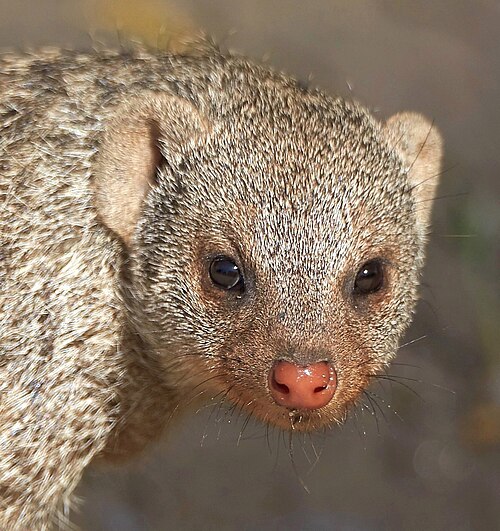
Close Relative Axel Tschentscher / CC BY-SA 4.0 · cc-by-sa
Help improve the field guideSomething wrong?
Checking your Fauna account…Report a name, category, or profile issue for review.