
Mammal · GBIF taxon 2434109
Selous' Mongoose
Paracynictis selousiAlso known as Selous's Mongoose
Selous' mongooses patrol southern African scrub and open woodlands under cover of darkness, probing sandy soils with long, slender front claws to unearth subterranean insects. Solitary and remarkably shy, they retreat into self-dug labyrinthine burrows at the first sign of danger or discharge a pungent secretion from their anal glands when cornered. Their conspicuous white tail tip acts like a beacon in dim moonlight, confusing pursuers as they dart through dense vegetation.
NocturnalBurrowerSolitary
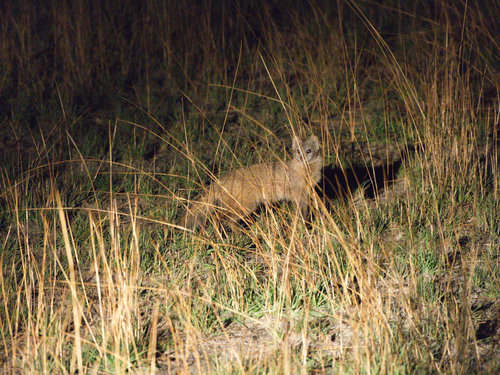
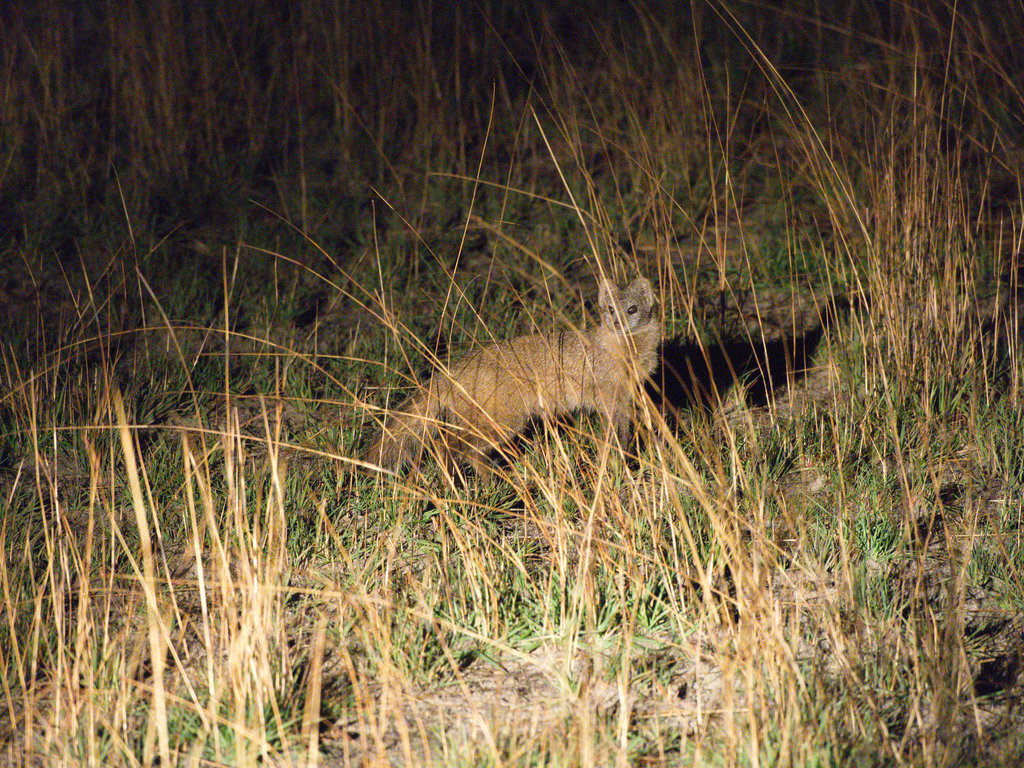
—observations
—countries
—peak records
Least ConcernConservation statusIUCN Red List categoriesLCNTVUENCREWEXLeast ConcernRed List categories, explained →
Diet & prey
- Ground Beetles
- Locusts
- Small Rodents
Predators
- Black-backed Jackal
- Leopard
- Verreaux's Eagle-Owl
ThreatsHabitat fragmentation, agricultural clearing, domestic dog attacks, and road mortalities
HabitatsWooded savannas, open woodlands, scrublands, and semi-arid grasslands with sandy soil
Life span8–12 years
Classification
- FamilyHerpestidae
- SpeciesParacynictis selousi
Range data is not available yet.
Interaction riskLow
- Low
- Moderate
- High
- Very high
- Why interaction risk is low
- Capable of delivering a sharp defensive bite if cornered; observe quietly from a distance.
- Why it is dangerous
- Possesses sharp carnassial teeth and potent anal scent glands, inflicting painful puncture wounds if physically restrained.
- How to recognize a risky encounter
- Look for a pale grizzled-grey coat, dark limbs, four-toed paws, and a prominent white tail tip.
- What to do
- Never corner or attempt to capture a wild mongoose; back away to leave an open escape route.
Responsible observation
- Night Spotting: Use a red-filtered spotlight along sandy dirt roads in mopane woodland after dusk to detect eye shine without causing distress.
- Burrow Etiquette: Maintain quiet distance around sandy den entrances to prevent tunnel collapses and allow natural nighttime emergence.
 Image unavailable
Competitor 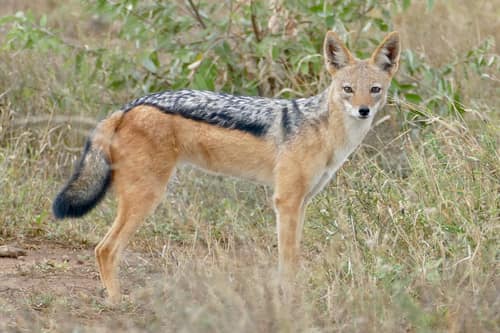
Predator (c) Bernard DUPONT, some rights reserved (CC BY-SA) · cc-by-sa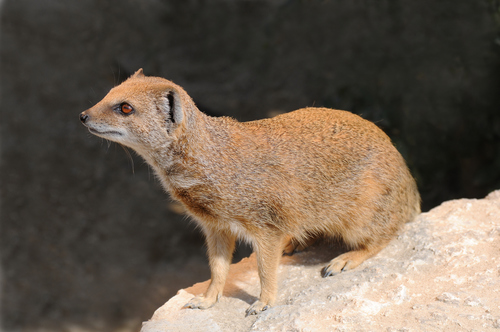
Close Relative (c) Böhringer Friedrich, some rights reserved (CC BY-SA) · cc-by-sa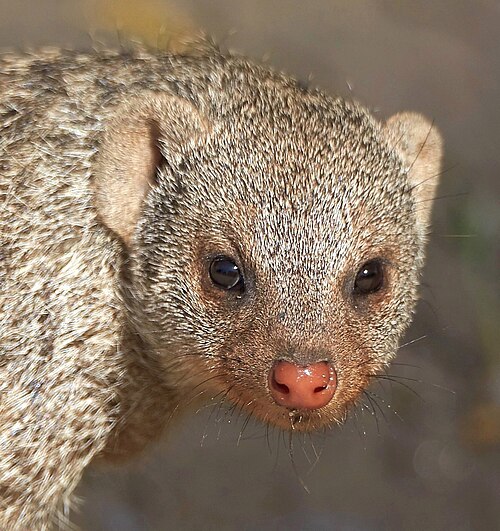
Family Member Axel Tschentscher / CC BY-SA 4.0 · cc-by-sa
Help improve the field guideSomething wrong?
Checking your Fauna account…Report a name, category, or profile issue for review.