
Mammal
Hairy-nosed Otter
Lutra sumatranaAlso known as Sumatran Otter
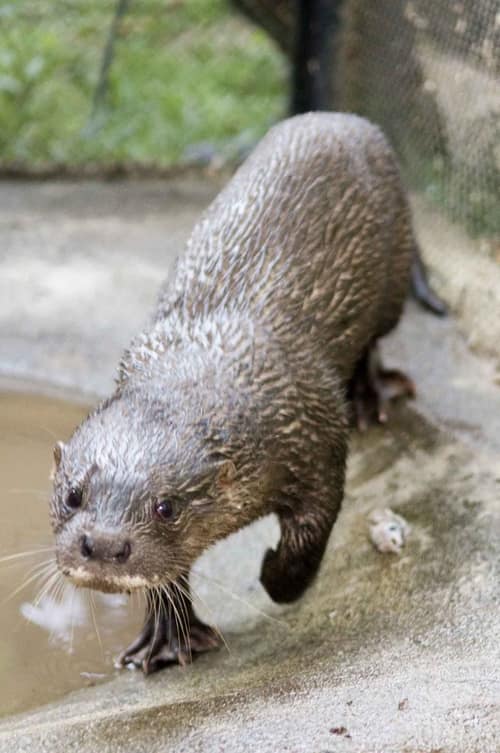
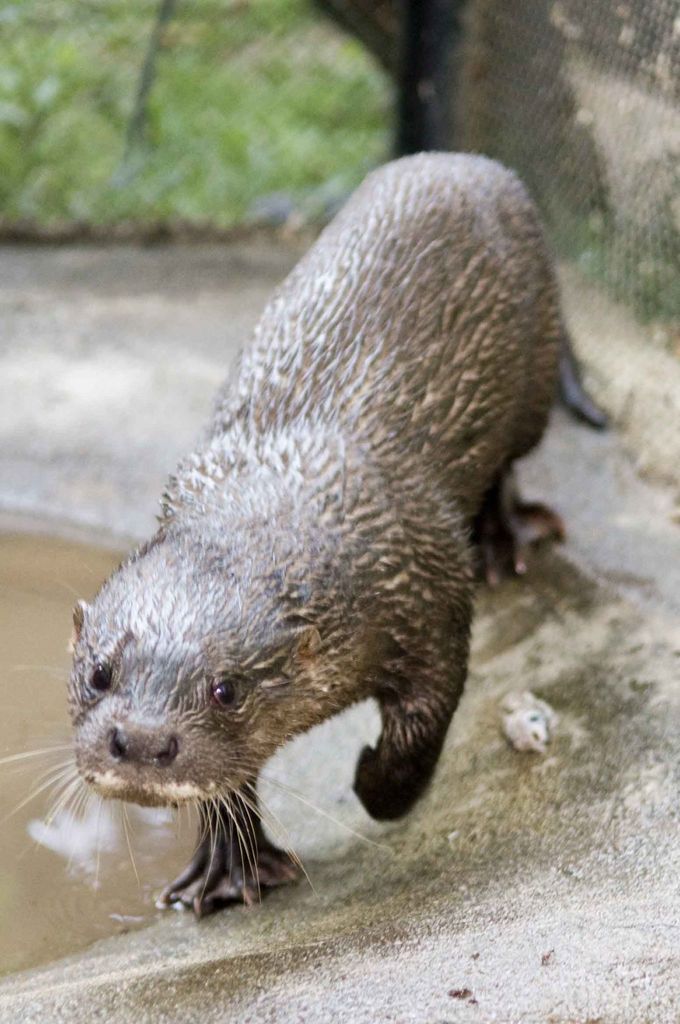
Hairy-nosed otters inhabit dense peat swamp forests and coastal mangrove wetlands across Southeast Asia, hunting fish and crustaceans with sleek, hydrodynamic agility. Distinctive for their densely furred rhinarium, they communicate through chirps, whistles, and musky scent markings deposited along secluded riverbanks. Severely threatened by habitat conversion and poaching for the illegal skin and pet trades, they remain among the rarest and most elusive carnivores on Earth.
SemiaquaticNocturnalRare
—observations
—countries
—peak records
EndangeredConservation statusIUCN Red List categoriesLCNTVUENCREWEXEndangeredRed List categories, explained →
Diet & preyWalking Catfish, Freshwater Crab, Water Snake
Predators
- Saltwater Crocodile
- Clouded Leopard
- Reticulated Python
ThreatsPeatland drainage, oil palm expansion, poaching for pelts and pets
HabitatsPeat swamp forests, flooded lowland forests, coastal mangroves
Life span10–15 years
Classification
- FamilyMustelidae
- SpeciesLutra sumatrana
Native
Interaction riskLow
- Low
- Moderate
- High
- Very high
- Why interaction risk is low
- Sharp teeth can deliver severe defensive bites if cornered or handled; observe quietly from a distance.
- Why it is dangerous
- Possesses strong jaw musculature and sharp carnassial teeth capable of crushing hard crustacean shells and inflicting deep puncture wounds.
- How to recognize a risky encounter
- Distinguished by dark chocolate-brown fur, a creamy white upper lip and throat, and completely furred nostrils.
- What to do
- Never corner, touch, or attempt to rescue an otter; back away slowly and give it an unobstructed water escape route.
- What to notice
- Easily told from other Asian otters by its uniquely hairy rhinarium and prominent pale throat markings.
- Support conservation
- Maintain a viewing buffer of at least 20 meters, avoid spotlighting nocturnal individuals, and do not publicize exact coordinates.
Responsible observation
- Keep Quiet: Move through wetland habitats with minimal noise, as these otters flee immediately at foreign sounds.
- Look for Signs: Search peat swamp margins and log jams during dawn and dusk for fresh tracks and fish-scale spraints.
- Report Confidentially: Share precise GPS sightings exclusively with certified conservation teams to safeguard them from poachers.

Competitor "Smooth-coated Otter" by Mike Prince is licensed under CC BY 2.0. To view a copy of this license, visit https://creativecommons.org/licenses/by/2.0/. · cc-by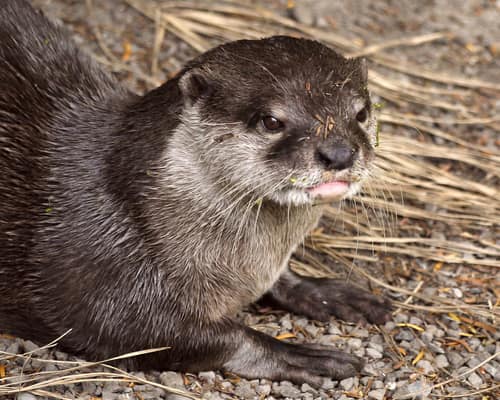
Neighbor "Asian Small-Clawed Otter" by SidPix is licensed under CC BY 2.0. To view a copy of this license, visit https://creativecommons.org/licenses/by/2.0/. · cc-by Image unavailable
Prey 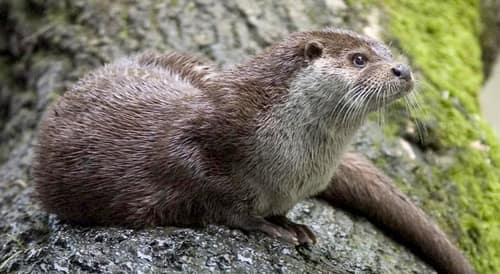
Close Relative Bernard Landgraf / CC BY-SA 3.0 · cc-by-sa
Help improve the field guideSomething wrong?
Checking your Fauna account…Report a name, category, or profile issue for review.