
Mammal
Kinkajou
Potos flavusAlso known as Honey Bear, Night Walker, Martucha
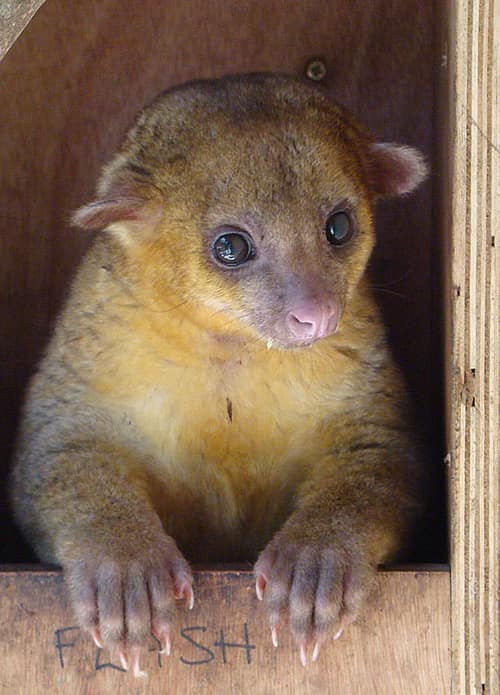
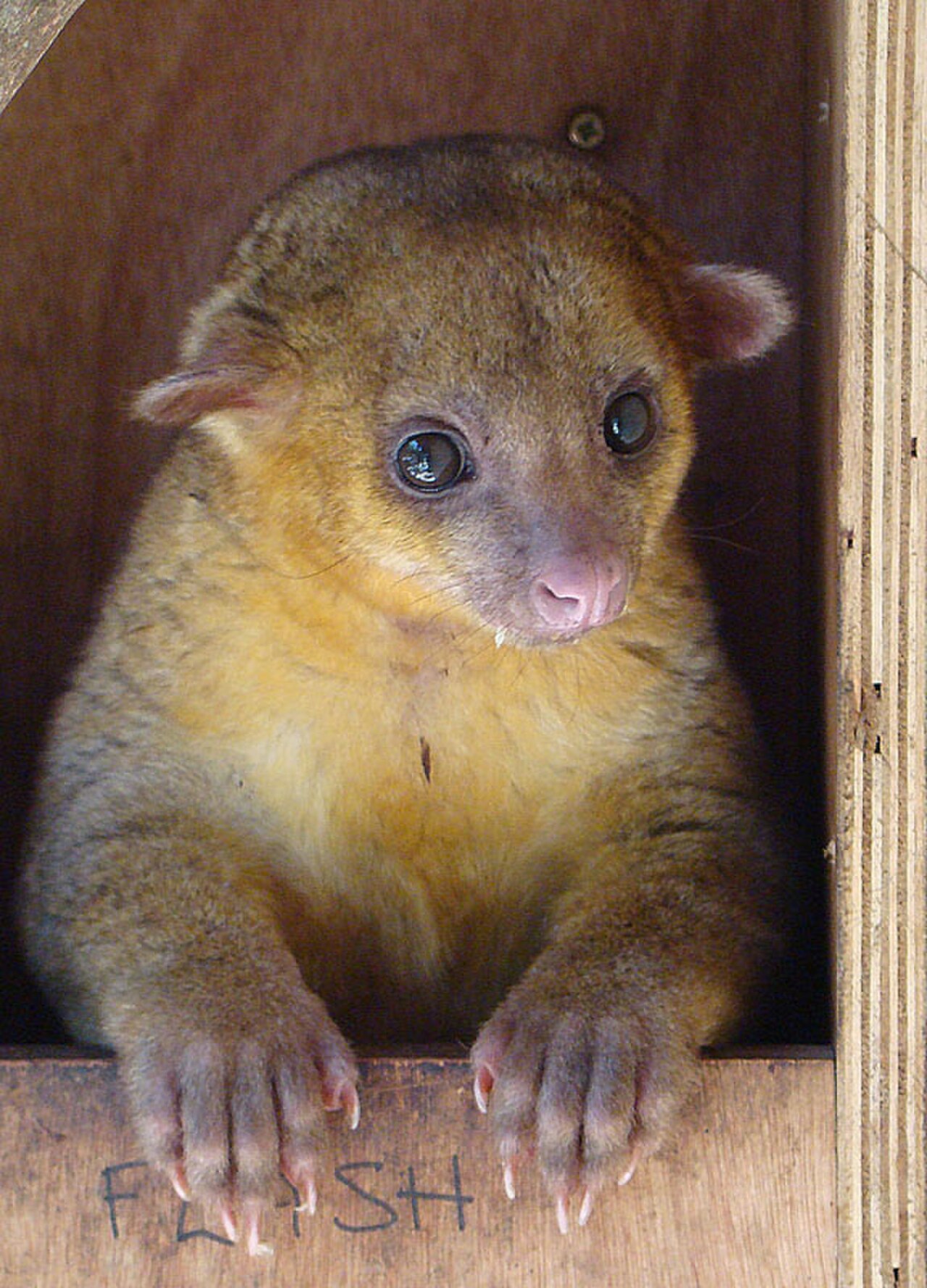
Kinkajous navigate the tropical canopy with remarkable agility, using fully prehensile tails that function like fifth limbs to anchor themselves while foraging upside down. They feed heavily on wild figs, fruit pulp, and flower nectar, extending a slender, five-inch tongue into blossoms and acting as important canopy pollinators. Family groups spend the daylight hours sleeping together in hollow tree trunks before dispersing after dusk with sharp, high-pitched barks and chirps.
NocturnalArborealFrugivore
—observations
—countries
—peak records
Least ConcernConservation statusIUCN Red List categoriesLCNTVUENCREWEXLeast ConcernRed List categories, explained →
Diet & preyFigs, Floral Nectar, Insects
Predators
- Harpy Eagle
- Ocelot
- Tayra
ThreatsCanopy deforestation, forest fragmentation, and illegal pet trade
HabitatsLowland tropical rainforests, cloud forests, and gallery forests
Life span20–25 years (up to 40 years in captivity)
Classification
- OrderCarnivora
- FamilyProcyonidae
- GenusPotos
- SpeciesPotos flavus
Range data is not available yet.
Interaction riskLow
- Low
- Moderate
- High
- Very high
- Why interaction risk is low
- Sharp teeth can deliver severe, infection-prone bites if cornered; observe strictly from a distance.
- Why it is dangerous
- Bites deliver deep puncture wounds that frequently transmit serious bacterial infections such as Kingella potus.
- How to recognize a risky encounter
- Look for a tawny golden-brown coat, rounded low-set ears, reflective nocturnal eyes, and a muscular prehensile tail.
- What to do
- Never attempt to touch or catch an individual; step back if one descends near ground level or viewing platforms.
Responsible observation
- Night Spotting: Scan fruiting fig trees after sunset using a red-filtered spotlight to locate eye shine.
- Listen for Calls: Tune your ear to shrill whistle-like barks and chattering vocalizations echoing from high branches.
- Maintain Space: Keep your distance and avoid trying to attract or pet them around ecotourism lodges.
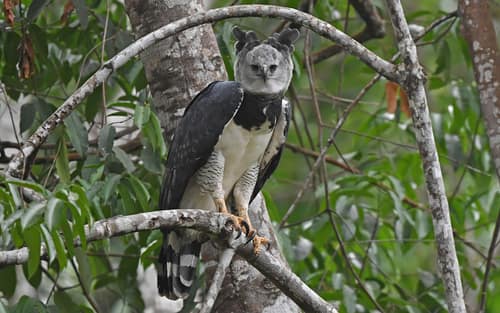
Predator (c) Christoph Moning, some rights reserved (CC BY), uploaded by Christoph Moning · cc-by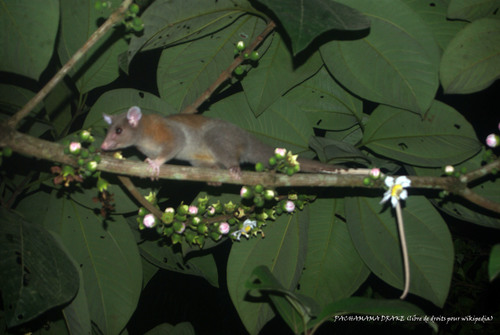
Competitor (c) Pachamama drake, some rights reserved (CC BY-SA) · cc-by-sa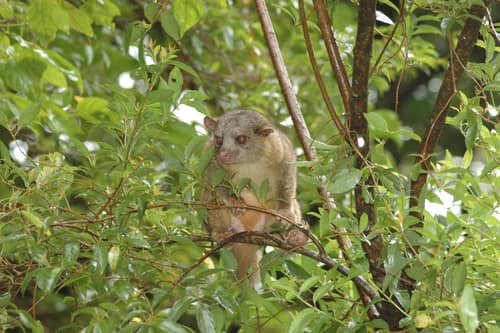
Close Relative (c) Jeremy Gatten, some rights reserved (CC BY-SA) · cc-by-sa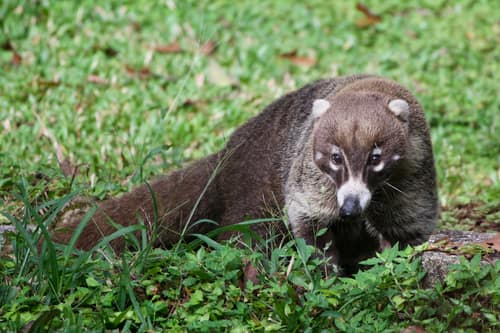
Same Family no rights reserved, uploaded by Dario Taraborelli · cc0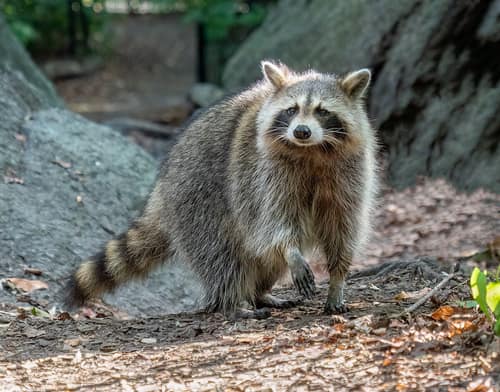
Same Family Rhododendrites / CC BY-SA 4.0 · cc-by-sa
Help improve the field guideSomething wrong?
Checking your Fauna account…Report a name, category, or profile issue for review.