
Mammal
Australian Sea Lion
Neophoca cinereaAlso known as Australian Sealion, Counsellor Seal, Hair Seal
Australian sea lions are the only pinnipeds endemic to Australian waters, foraging over continental shelf reefs for bottom-dwelling prey. Unlike nearly all other seals, they follow a prolonged, non-annual breeding cycle of 17 to 18 months that varies asynchronously across neighbouring colonies. Mothers nurse pups for well over a year and defend them aggressively against territorial, heavy-necked bulls on sandy beaches and rocky limestone benches.
MarineEndemicCarnivore
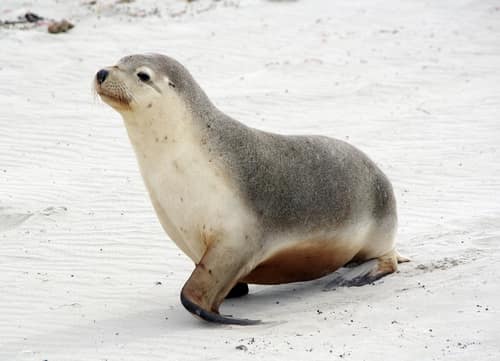
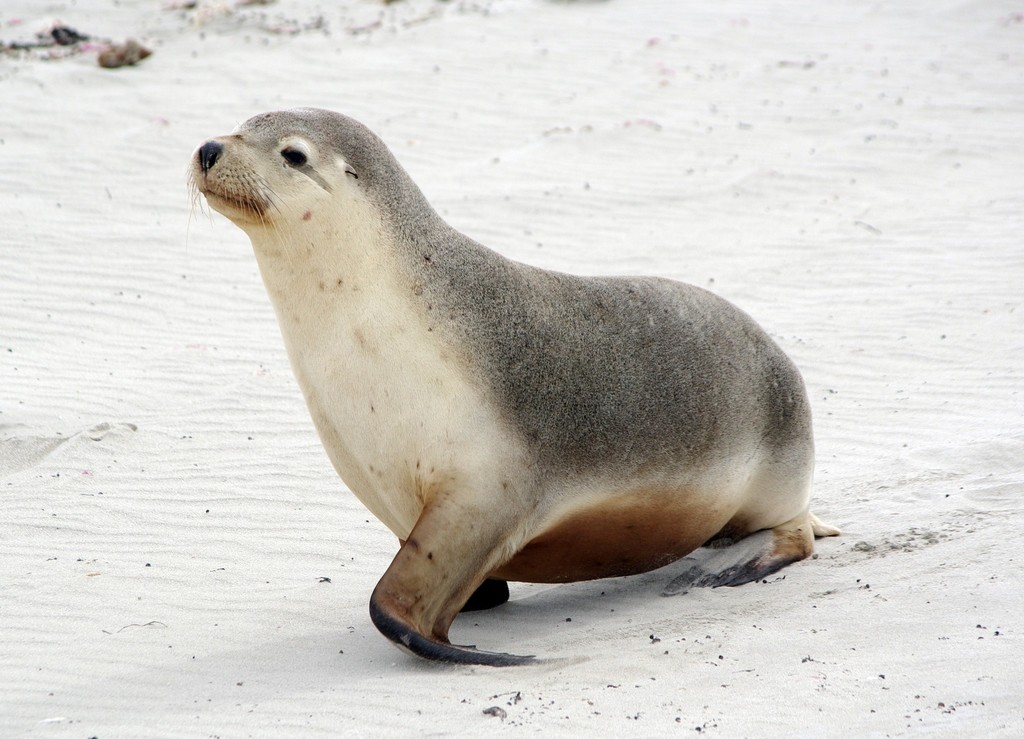
—observations
—countries
—peak records
EndangeredConservation statusIUCN Red List categoriesLCNTVUENCREWEXEndangeredRed List categories, explained →
Diet & preyGloomy Octopus, Giant Cuttlefish, Southern Rock Lobster
Predators
- Great White Shark
- Killer Whale
ThreatsGillnet fishery bycatch, marine debris entanglement, and low pup recruitment rates
HabitatsTemperate coastal waters, sheltered sandy bays, and exposed offshore rocky islands
Life span20–25 years
Classification
- FamilyOtariidae
- SpeciesNeophoca cinerea
Native
Interaction riskHigh
- Low
- Moderate
- High
- Very high
- Why interaction risk is high
- Large, territorial marine mammals capable of powerful bites; keep at least 15 to 30 metres away.
- Why it is dangerous
- Large adult bulls and protective mothers possess heavy jaws and sharp canine teeth capable of inflicting deep puncture wounds and crushing bone.
- How to recognize a risky encounter
- Bulls are dark brown with a cream or yellow-tinted crown, massive shoulders, and an elongated blunt muzzle.
- What to do
- Never block access to the water; slowly retreat without turning your back if an individual barks, lunges, or sits upright in alarm.
- What to notice
- Look for a thick coat of short fur without underfur, pale cream bellies on females, and distinct external ear flaps.
- Support conservation
- Observe silently through binoculars or telephoto lenses, never fly drones over haul-outs, and follow all local coastal sanctuary boundary markers.
Responsible observation
- Viewing Distance: Remain at least 30 metres away from resting colonies on beaches to avoid causing panic or aggression.
- Breeding Season Awareness: Give large bulls a wide berth, as they defend territories aggressively and move surprisingly fast on land.
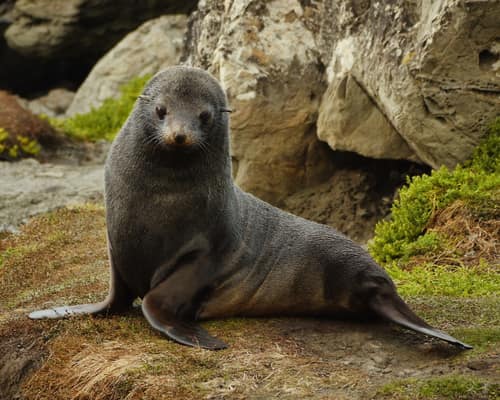
Co-occurring Pinniped (c) Sid Mosdell, some rights reserved (CC BY) · cc-by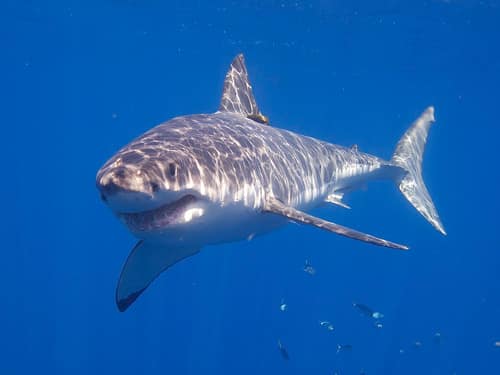
Predator "Great White Shark" by Elias Levy is licensed under CC BY 2.0. To view a copy of this license, visit https://creativecommons.org/licenses/by/2.0/. · cc-by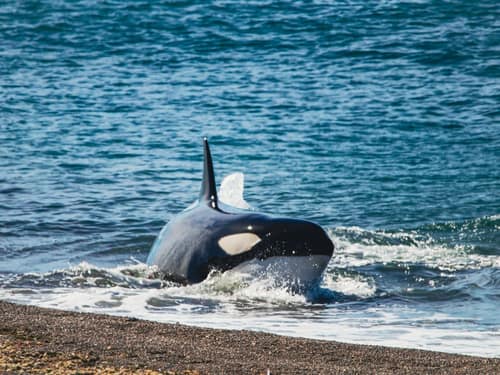
Predator (c) Martín Acosta Albarracín, some rights reserved (CC BY), uploaded by Martín Acosta Albarracín · cc-by Image unavailable
Prey 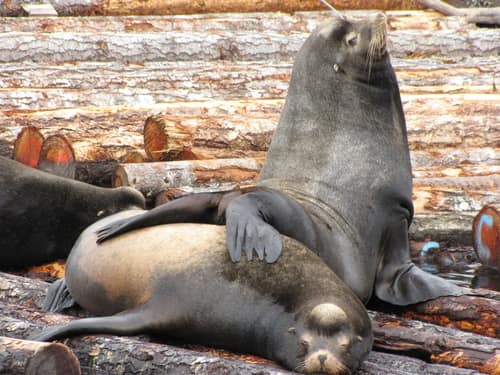
Same Family (c) Liam Steele, some rights reserved (CC BY), uploaded by Liam Steele · cc-by
Help improve the field guideSomething wrong?
Checking your Fauna account…Report a name, category, or profile issue for review.