
Mammal · GBIF taxon 2432621
Mediterranean Horseshoe Bat
Rhinolophus euryaleAlso known as Euryale Horseshoe Bat
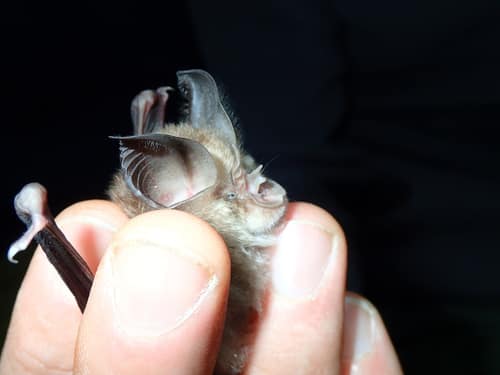
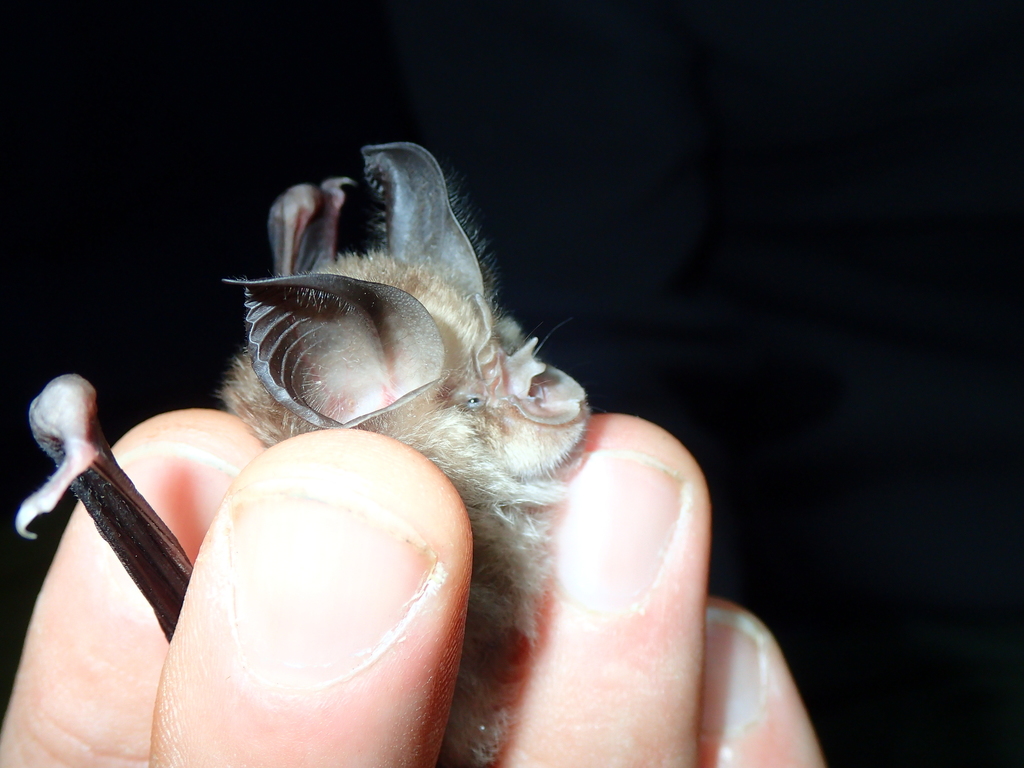
Mediterranean horseshoe bats are agile nocturnal hunters recognized by the complex, horseshoe-shaped fleshy noseleaf used for precise echolocation. During late spring, females gather in warm maternity colonies inside karst caves to give birth and raise a single pup. Habitat degradation, pesticide usage, and cave disturbances have contributed to steady population declines across Southern Europe.
NocturnalCave DwellerInsectivore
—observations
—countries
—peak records
Near ThreatenedConservation statusIUCN Red List categoriesLCNTVUENCREWEXNear ThreatenedRed List categories, explained →
Diet & prey
- Moths
- Flies
- Beetles
Predators
- Barn Owl
- Tawny Owl
- Domestic Cat
ThreatsDisturbance of roosting caves, pesticide exposure, and loss of woodland foraging grounds
HabitatsKarst caves, underground mines, Mediterranean scrub, and broadleaf woodlands
Life span12–15 years
Size / weightNot available
Classification
- FamilyRhinolophidae
- SpeciesRhinolophus euryale
Range data is not available yet.
Interaction riskModerate
- Low
- Moderate
- High
- Very high
- Why interaction risk is moderate
- Can transmit rabies or bite defensively if handled; observe from a distance without disturbing roosts.
- Why it is dangerous
- Bats carry transmissible pathogens such as rabies and can deliver a sharp defensive bite if touched.
- How to recognize a risky encounter
- Recognized by grey-brown fur, large pointed ears lacking a tragus, and a distinct horseshoe-shaped noseleaf.
- What to do
- Never attempt to pick up or touch a grounded or roosting bat; contact local wildlife rescuers if animal is injured.
- What to notice
- Medium-sized bat with pale underparts and a characteristic pointed noseleaf visible at close range.
- Support conservation
- Avoid entering known maternity or hibernation caves between spring and early autumn.
Responsible observation
- Roost etiquette: Stay clear of cave entrances at dusk to avoid disrupting emerging foraging flights.
- Lighting precaution: Refrain from shining bright white flashlights directly into roosting clusters.
- Observation distance: Watch foraging flights along woodland edges rather than entering roosting caves.
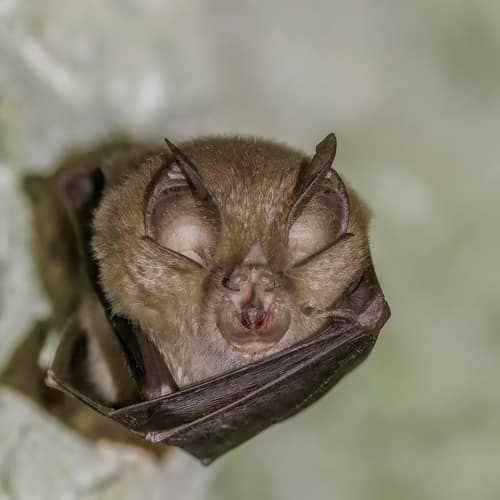
Close Relative Charles J. Sharp / CC BY-SA 4.0 · cc-by-sa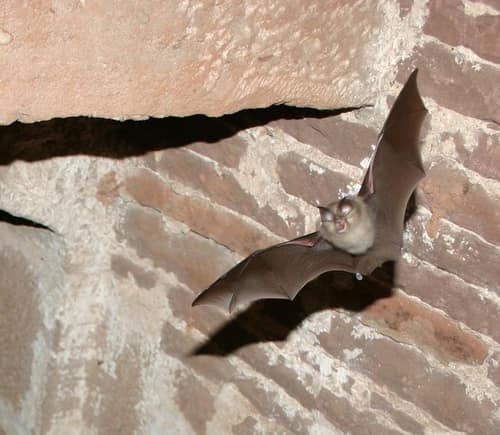
Close Relative (c) Jessica, some rights reserved (CC BY-SA) · cc-by-sa Image unavailable
Close Relative
Help improve the field guideSomething wrong?
Checking your Fauna account…Report a name, category, or profile issue for review.