
Mammal · GBIF taxon 2432614
Lesser Horseshoe Bat
Rhinolophus hipposiderosAlso known as Lesser Horseshoe
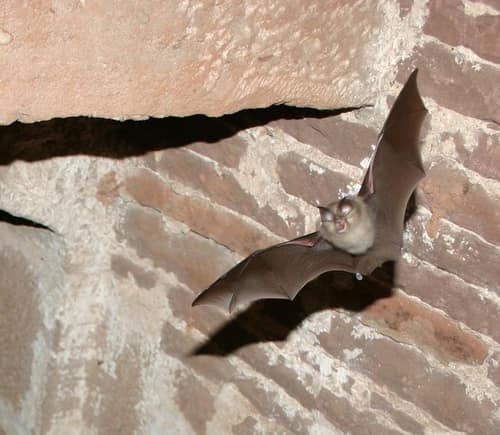
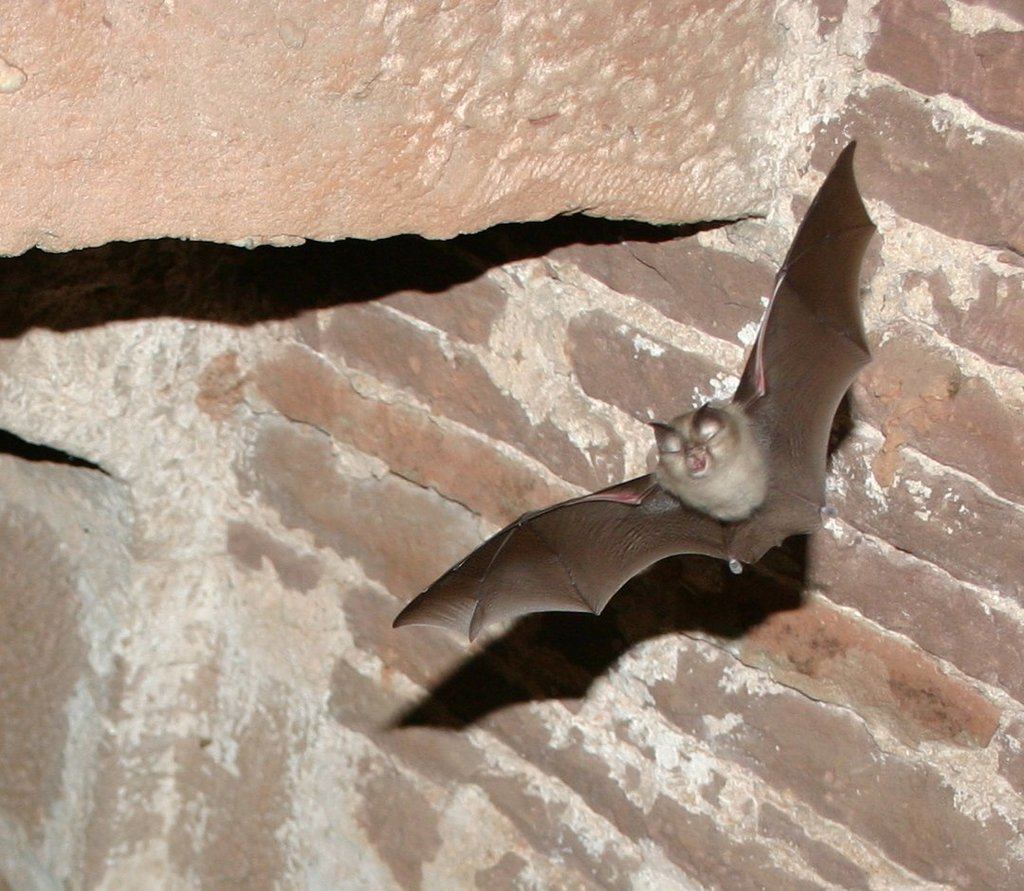
Lesser horseshoe bats wrap their wings entirely around their tiny bodies while hanging upside down, looking like small dark plums suspended from ceiling beams or cave roofs. These agile aerial hunters rely on exceptionally high-frequency echolocation around 110 kilohertz to navigate dense foliage and snatch midges, moths, and craneflies from mid-air. Females gather in warm attic spaces during summer to form maternity colonies, rearing a single pup each year.
NocturnalInsectivoreCave Dweller
—observations
—countries
—peak records
Least ConcernConservation statusIUCN Red List categoriesLCNTVUENCREWEXLeast ConcernRed List categories, explained →
Diet & prey
- Moths
- Midges
- Craneflies
Predators
- Barn Owls
- Domestic Cats
- Tawny Owls
ThreatsHabitat fragmentation, roost disturbance, pesticide use, and light pollution
HabitatsDeciduous woodlands, caves, mines, and traditional roof spaces
Life span18–21 years
Size / weightNot available
Classification
- FamilyRhinolophidae
- SpeciesRhinolophus hipposideros
Range data is not available yet.
Interaction riskModerate
- Low
- Moderate
- High
- Very high
- Why interaction risk is moderate
- Can carry bat lyssaviruses and bite if handled; observe roosts quietly from a distance without touching.
- Why it is dangerous
- Capable of delivering a sharp bite when threatened, and wild bats can carry bat lyssaviruses transmitted through saliva or bites.
- How to recognize a risky encounter
- Recognized by a small plum-sized body, soft buff-brown fur, and a distinct horseshoe-shaped fleshy noseleaf.
- What to do
- Do not touch or attempt to handle wild bats; contact a licensed bat rehabilitator if you find a grounded individual.
- What to notice
- Appears as a tiny dark pendant wrapped in its own wings hanging hanging freely from roof timbers or cave ceilings.
- Support conservation
- Keep well clear of maternity roosts and winter hibernacula, and report active roost locations to local conservation groups.
Responsible observation
- Roost Courtesy: Avoid shining flashlights or making noise near active roost sites, especially during summer maternity months.
- Dusk Watching: Position yourself quietly near woodland edges at twilight to watch their agile, fluttery flight.
- Echolocation Detection: Use a heterodyne bat detector set around 105 to 115 kilohertz to listen to their echolocation calls.
 Image unavailable
Frequent Companion 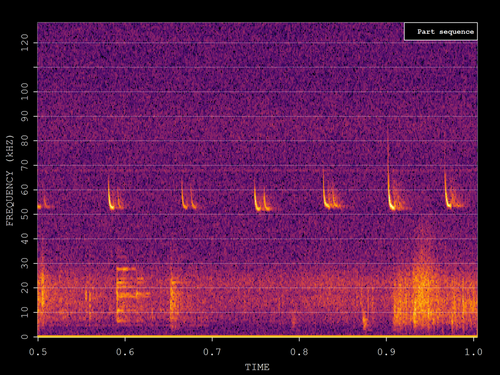
Competitor no rights reserved · cc0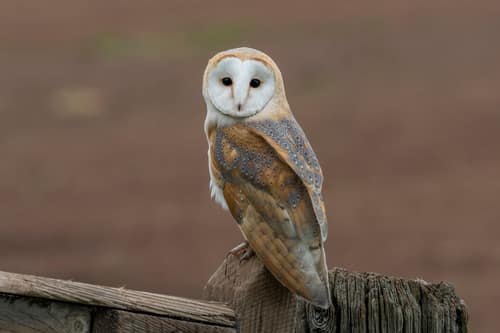
Predator (c) caroline legg, some rights reserved (CC BY) · cc-by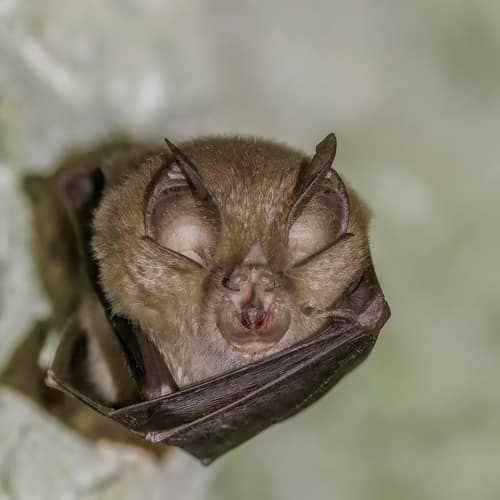
Close Relative Charles J. Sharp / CC BY-SA 4.0 · cc-by-sa
Help improve the field guideSomething wrong?
Checking your Fauna account…Report a name, category, or profile issue for review.