
Mammal
Indiana Bat
Myotis sodalisAlso known as Social Bat, Indiana Myotis
Indiana bats gather in massive cave winter hibernacula, clustering tightly on limestone ceilings to conserve body heat during colder months. In summer, pregnant females disperse to deciduous forests, forming nursery colonies beneath the peeling bark of dead snags and shagbark hickories. These nocturnal insectivores forage along woodland edges and river corridors, consuming thousands of flying insects each night.
NocturnalCave DwellerMammal
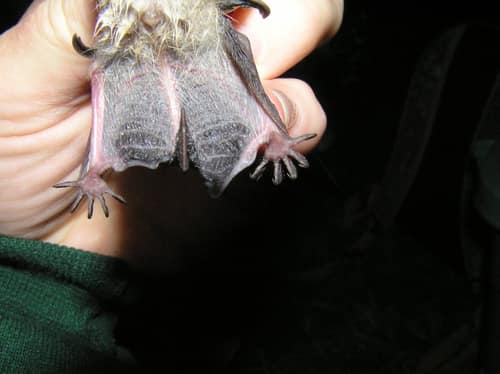

—observations
—countries
—peak records
Near ThreatenedConservation statusIUCN Red List categoriesLCNTVUENCREWEXNear ThreatenedRed List categories, explained →
Diet & preyMoths, Beetles, Flies
Predators
- Owls
- Raccoons
- Snakes
ThreatsWhite-nose syndrome, cave disturbance, habitat loss, wind energy development
HabitatsCaves and abandoned mines in winter; deciduous forests and riparian zones in summer
Life span10–20 years
Classification
- OrderChiroptera
- FamilyVespertilionidae
- GenusMyotis
- SpeciesMyotis sodalis
Native
Interaction riskModerate
- Low
- Moderate
- High
- Very high
- Why interaction risk is moderate
- Can carry rabies and may bite if handled; observe roosts quietly from a distance.
- Why it is dangerous
- Can carry the rabies virus and may bite defensively if handled or disturbed.
- How to recognize a risky encounter
- Identified by dark fur, pink lips, small feet, and a distinct ridge or keel on the calcar.
- What to do
- Never attempt to touch or catch a bat; contact animal control or wildlife rehabilitators if one is grounded.
- What to notice
- Forms dense winter clusters in cool, humid limestone caves and summer roosts under loose tree bark.
- Support conservation
- Observe designated cave closures and refrain from disturbing potential summer roost trees.
Responsible observation
- Cave Etiquette: Stay out of designated hibernation caves between October and April to prevent waking roosting bats.
- Forest Management: Preserve dead standing trees and shagbark hickories that provide vital summer maternity roosts.
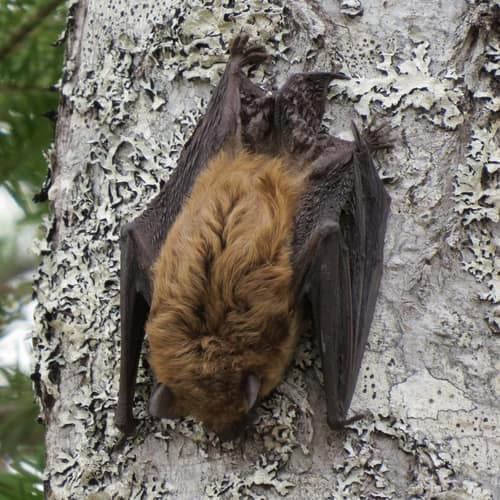
Cave Companion (c) Fyn Kynd, some rights reserved (CC BY) · cc-by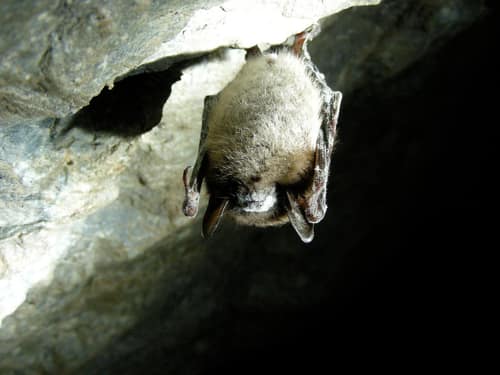
Close Relative "Little brown bat affected by White-nose Syndrome" by U. S. Fish and Wildlife Service - Northeast Region is marked with Public Domain Mark 1.0. To view the terms, visit https://creativecommons.org/publicdomain/mark/1.0/. · cc0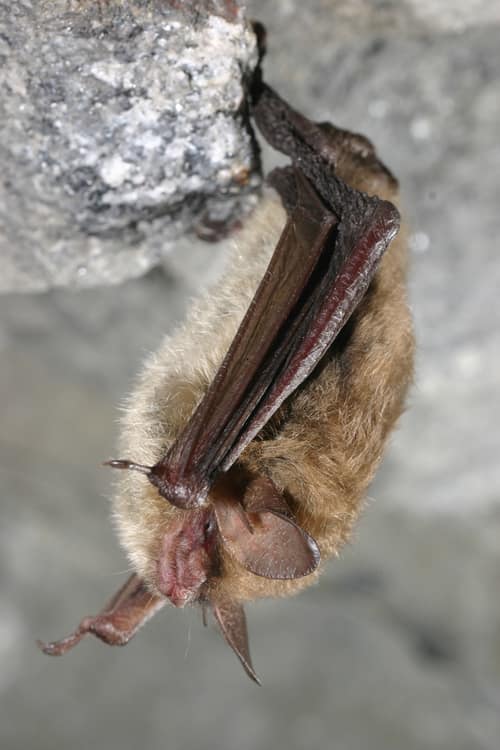
Close Relative (c) U.S. Fish and Wildlife Service Headquarters, some rights reserved (CC BY) · cc-by
Keep collecting in Fauna
Found in Collections
Species set
Moonlight Marvels
Indiana Bat is found in this collection. Identify it in Fauna to fill this slot and continue your progress.
—/7
Help improve the field guideSomething wrong?
Checking your Fauna account…Report a name, category, or profile issue for review.