
Amphibian · GBIF taxon 2432037
Chinese Giant Salamander
Andrias davidianusAlso known as Wa Wa Yu, Baby Fish
Chinese giant salamanders glide silently through cold, oxygen-rich mountain streams, using specialized sensory nodes on their skin to detect water vibrations from passing prey. Females lay long strings of eggs in dark underwater cavities, which the attending males aggressively defend for months until hatching. Vocalizations made during distress resemble the crying of a human infant, earning these ancient amphibians their local name wa wa yu.
AquaticNocturnalAmphibian
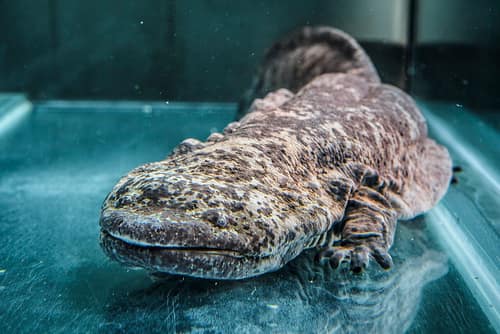
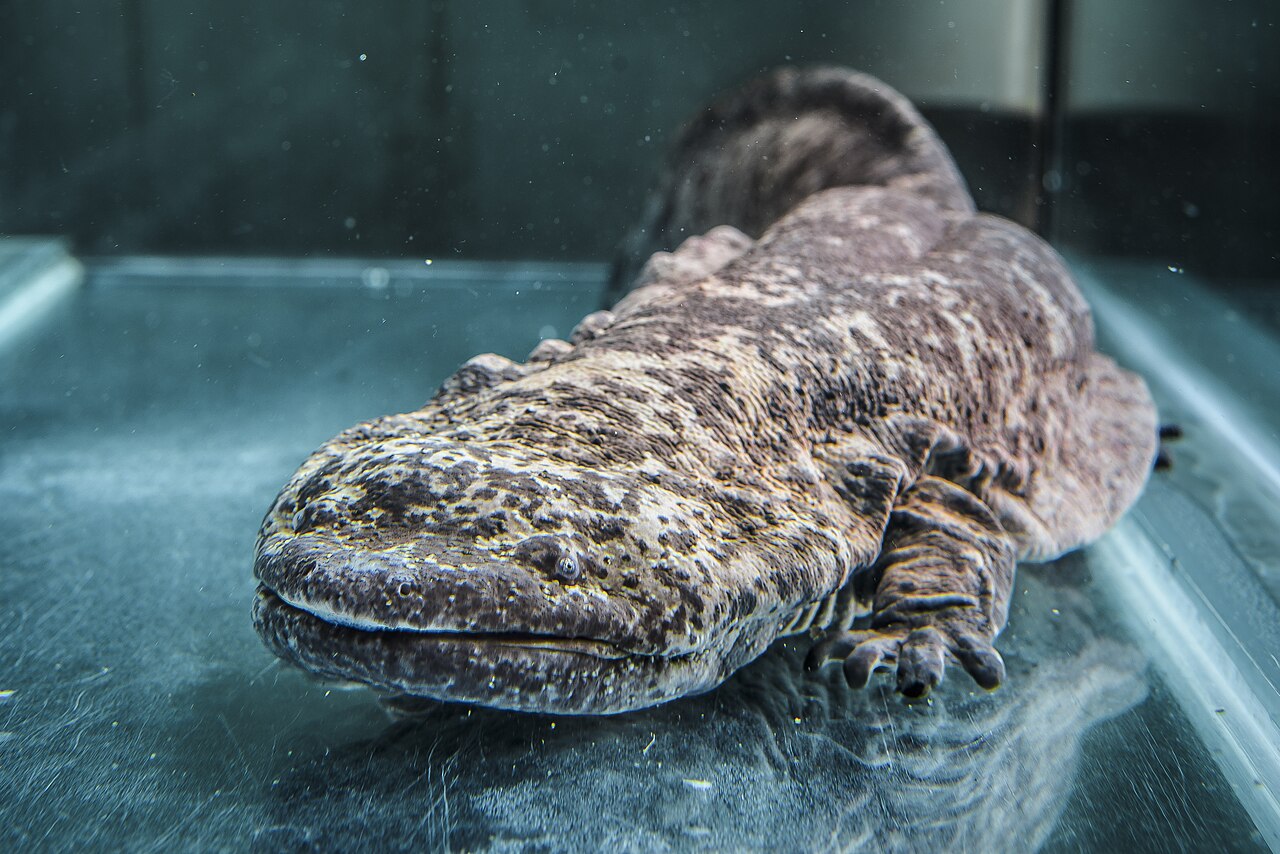
Licensed referencePetr Hamerník / CC BY-SA 4.0 · cc-by-sa
—observations
—countries
—peak records
Critically EndangeredConservation statusIUCN Red List categoriesLCNTVUENCREWEXCritically EndangeredRed List categories, explained →
Diet & prey
- Crabs
- Fish
- Frogs
Predators
- Humans
- Large Fish
- Water Birds
ThreatsPoaching, habitat loss, water pollution, dam construction, disease
HabitatsRocky mountain streams, fast-flowing rivers, karst caves
Life span30–50+ years
Size / weightNot available
Classification
- FamilyCryptobranchidae
- SpeciesAndrias davidianus
Range data is not available yet.
Interaction riskLow
- Low
- Moderate
- High
- Very high
- Why interaction risk is low
- Possesses powerful jaws capable of delivering a painful bite; observe from a distance without disturbing.
- Why it is dangerous
- Strong jaws and sharp teeth can inflict deep puncture wounds and crush tissue if the animal is handled or cornered.
- How to recognize a risky encounter
- Look for a massive, flattened head, dark mottled skin, fleshy side folds, and tiny lidless eyes in clear streams.
- What to do
- Never touch or grab underwater individuals; allow them to move freely along the riverbed without interference.
- What to notice
- Recognizable by its immense size, wrinkled brown skin, broad flat head, and fully aquatic river habitat.
- Support conservation
- Do not post precise coordinates of wild sightings online to protect remaining populations from illegal harvesting.
Responsible observation
- Keep standard distance: Avoid reaching under submerged river rocks where individuals take shelter.
- Minimize light exposure: Use red flashlights during night observations to avoid disrupting nocturnal behavior.
- Protect stream beds: Refrain from shifting rocks or disturbing substrate in sensitive mountain habitats.
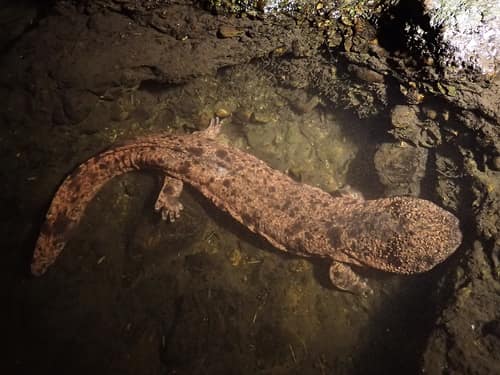
Close Relative Salamandra2021 / CC BY-SA 4.0 · cc-by-sa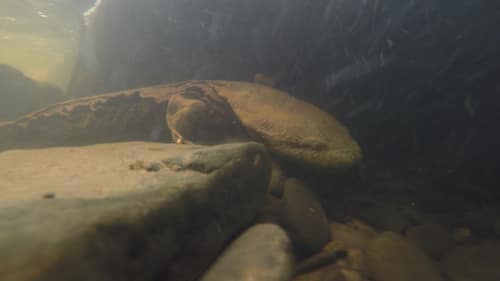
Close Relative (c) Brian Muckin, some rights reserved (CC BY) · cc-by
Help improve the field guideSomething wrong?
Checking your Fauna account…Report a name, category, or profile issue for review.