
Amphibian
Blue-spotted Salamander
Ambystoma lateraleAlso known as Blue-spotted Mole Salamander
Blue-spotted salamanders spend most of their lives hidden beneath moist leaf litter and decaying logs in northern hardwood forests. Adorned with striking pale blue flecks across a dark charcoal body, these nocturnal amphibians emerge on warm, rainy spring nights to trek toward fishless vernal pools. Certain female lines reproduce through gynogenesis, stealing sperm from males of related species to trigger egg development without incorporating the male genetic material.
AmphibianNocturnalVernal Pools


—observations
—countries
—peak records
Least ConcernConservation statusIUCN Red List categoriesLCNTVUENCREWEXLeast ConcernRed List categories, explained →
Diet & preyEarthworms, Slugs, Insects
Predators
- Garter Snakes
- Raccoons
- Birds of Prey
ThreatsHabitat fragmentation, wetland draining, road mortality, acid rain
HabitatsMoist deciduous forests, mixed woodlands, vernal pools, swamps
Life span10–12 years
Classification
- OrderCaudata
- FamilyAmbystomatidae
- GenusAmbystoma
- SpeciesAmbystoma laterale
Range data is not available yet.
Interaction riskLow
- Low
- Moderate
- High
- Very high
- Why interaction risk is low
- Safe to observe at a normal distance.
- What to notice
- Look for a dark charcoal slender body covered in distinct enamel-blue flecks along the sides and tail.
- Support conservation
- Observe from a distance without handling, and drive cautiously near forest wetlands on rainy spring nights.
Responsible observation
- Spring Migration: Watch for adults crossing roads near wetlands on rainy spring nights above four degrees Celsius.
- Log Etiquette: Gently replace overturned logs or rocks exactly as found to protect delicate microhabitats.
- Skin Care: Avoid touching skin directly, as amphibian skin easily absorbs oils, soaps, and lotions.
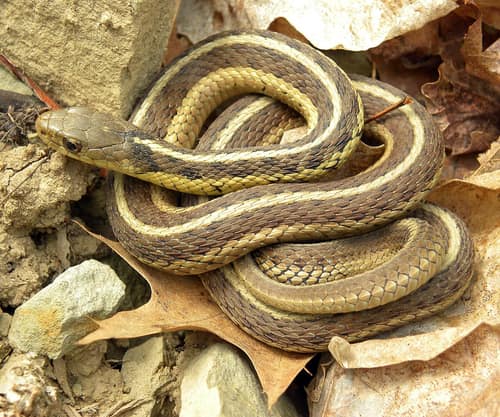
Predator Wilson44691 / Public domain · cc0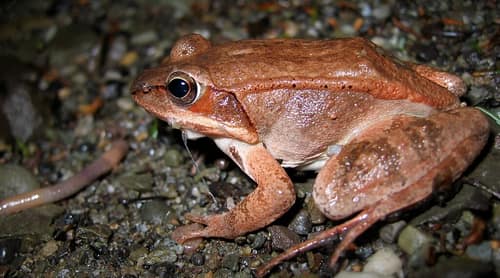
Frequent Companion "Wood Frog (Rana sylvatica)" by DaveHuth is licensed under CC BY 2.0. To view a copy of this license, visit https://creativecommons.org/licenses/by/2.0/. · cc-by
Close Relative (c) Dan MacNeal, some rights reserved (CC BY) / CC BY 4.0 · cc-by
Close Relative D. Gordon E. Robertson / CC BY-SA 3.0 · cc-by-sa
Close Relative (c) evangrimes, some rights reserved (CC BY), uploaded by evangrimes · cc-by
Help improve the field guideSomething wrong?
Checking your Fauna account…Report a name, category, or profile issue for review.