
Amphibian · GBIF taxon 2431489
White-spotted Slimy Salamander
Plethodon cylindraceusAlso known as Slimy Salamander
White-spotted slimy salamanders roam moist hardwood forest floors across the eastern United States, relying entirely on skin respiration in place of lungs. When threatened, they release a thick, milky secretion from dorsal glands that turns intensely sticky and deters predators like snakes and birds. Females lay eggs in moist underground burrows, brooding them continuously until fully formed juveniles hatch directly without an aquatic larval stage.
NocturnalLunglessForest Floor
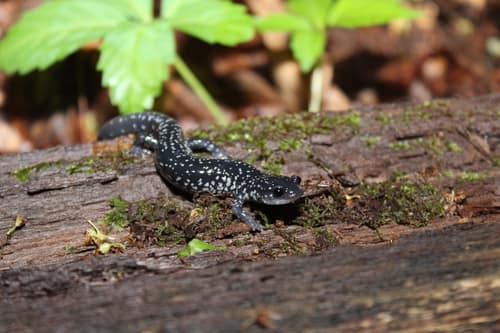
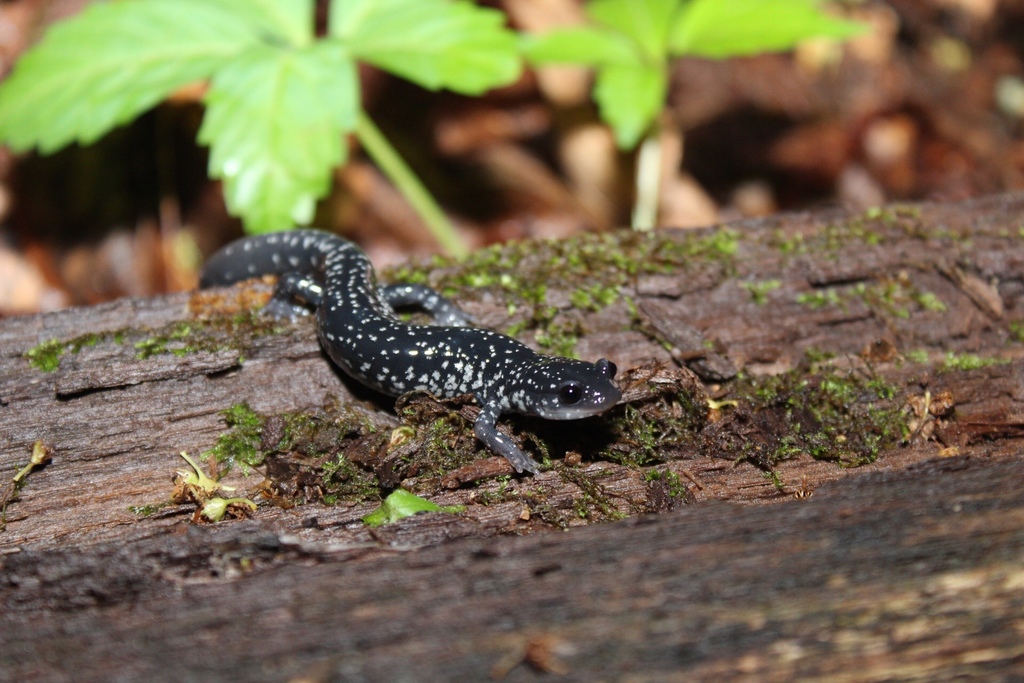
Licensed reference(c) Ron M, some rights reserved (CC BY), uploaded by Ron M · cc-by
—observations
—countries
—peak records
Least ConcernConservation statusIUCN Red List categoriesLCNTVUENCREWEXLeast ConcernRed List categories, explained →
Diet & prey
- Ants
- Beetles
- Earthworms
Predators
- Garter snakes
- Copperheads
- Forest birds
ThreatsDeforestation, forest fragmentation, habitat drying from climate change, and pollution
HabitatsShaded hardwood forests, wooded floodplains, leaf litter, and subterranean burrows
Life span10–20 years
Size / weightNot available
Classification
- FamilyPlethodontidae
- SpeciesPlethodon cylindraceus
Range data is not available yet.
Interaction riskLow
- Low
- Moderate
- High
- Very high
- Why interaction risk is low
- Safe to observe at a normal distance, though handling yields very sticky skin secretions.
Responsible observation
- Observation window: Search under damp forest logs or along trails during warm, rainy nights.
- Handling precautions: Avoid picking them up with bare hands, as skin oils disrupt permeable skin and slime clings stubbornly.
- Habitat etiquette: Always roll fallen logs back into their exact original positions to preserve crucial moisture levels.
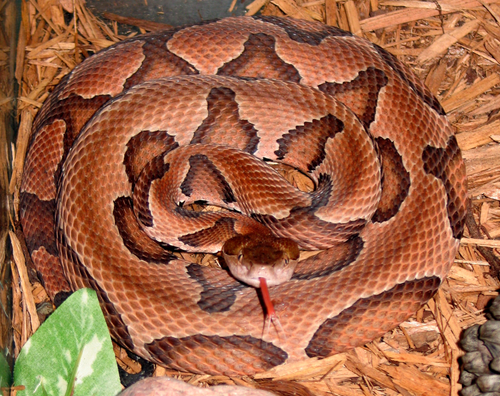
Predator Wikimedia Commons / Public domain · cc0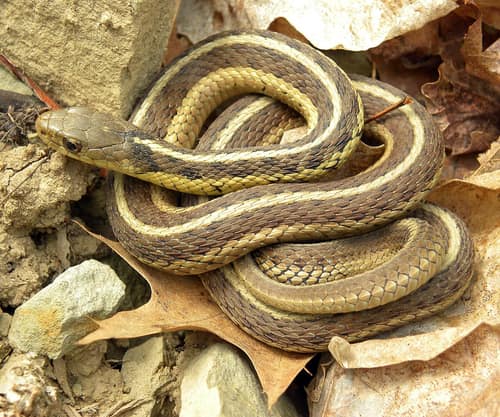
Predator Wilson44691 / Public domain · cc0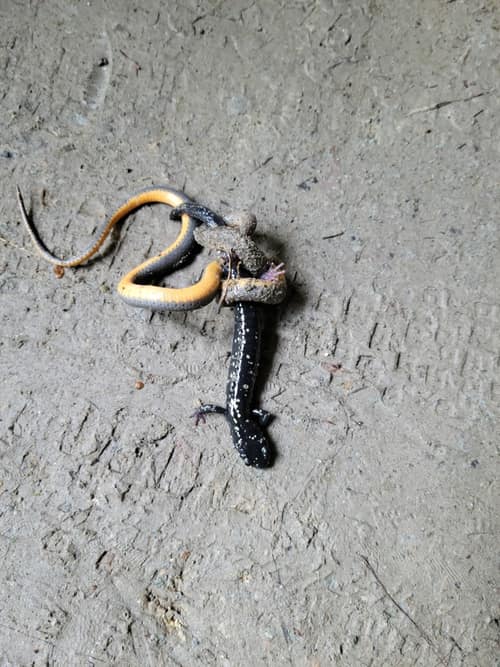
Close Relative (c) James Weaver, some rights reserved (CC BY) · cc-by Image unavailable
Close Relative
Help improve the field guideSomething wrong?
Checking your Fauna account…Report a name, category, or profile issue for review.