
Amphibian · GBIF taxon 2429789
Plains Spadefoot
Spea bombifronsAlso known as Plains Spadefoot Toad, Central Plains Spadefoot
Plains spadefoots spend the majority of their lives buried underground in loose, sandy soil, emerging in massive numbers during heavy summer rains to breed in ephemeral pools. They are recognized by a prominent bony boss between the eyes and a hard, black spade on each hind foot used for digging backwards into the earth. Their tadpoles show remarkable plasticity, developing either as omnivores or rapidly growing carnivores depending on available food resources.
FossorialNocturnalAmphibian

 1 / 6
1 / 6—observations
—countries
—peak records
Least ConcernConservation statusIUCN Red List categoriesLCNTVUENCREWEXLeast ConcernRed List categories, explained →
Diet & prey
- Ants
- Beetles
- Spiders
Predators
- Garter snakes
- Herons
- Coyotes
ThreatsHabitat loss, agricultural conversion, prolonged drought
HabitatsGrasslands, prairies, open woodlands, sandy soils
Life span5–10 years
Size / weightNot available
Classification
- FamilyScaphiopodidae
- SpeciesSpea bombifrons
Range data is not available yet.
Interaction riskLow
- Low
- Moderate
- High
- Very high
- Why interaction risk is low
- Safe to observe at a normal distance.
Responsible observation
- Listen for calls: Listen for their duck-like, rasping mating calls during warm, rainy summer nights near temporary rain pools.
- Observe without moving: Use a low-intensity flashlight to spot them on rainy roads or sandy trails without causing stress.
- Wash hands after touching: Avoid handling, but wash hands thoroughly if contact occurs to prevent skin secretions from touching eyes.
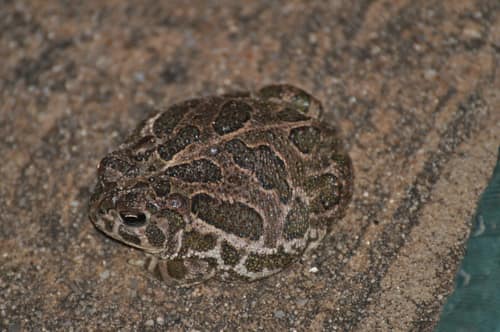
Frequent Companion (c) brybrysciguy, some rights reserved (CC BY) · cc-by
Close Relative (c) Nick Tobler (Cowturtle), some rights reserved (CC BY), uploaded by Nick Tobler (Cowturtle) · cc-by
Close Relative no rights reserved · cc0
Close Relative (c) andrewnydam, some rights reserved (CC BY) · cc-by
Help improve the field guideSomething wrong?
Checking your Fauna account…Report a name, category, or profile issue for review.