
Amphibian · GBIF taxon 2429783
Western Spadefoot
Spea hammondiiAlso known as Western Spadefoot Toad, Hammond's Spadefoot, Hammond's Spadefoot Toad
Western spadefoots spend most of their lives buried underground in self-dug burrows, emerging only after heavy winter or spring rains to breed in temporary pools. Their hind feet bear sharp, black keratinous spades that enable them to back into sandy or loose soil with remarkable speed. Because seasonal breeding pools dry rapidly, their tadpoles feature one of the fastest developmental rates among North American amphibians.
NocturnalAmphibianBurrowing

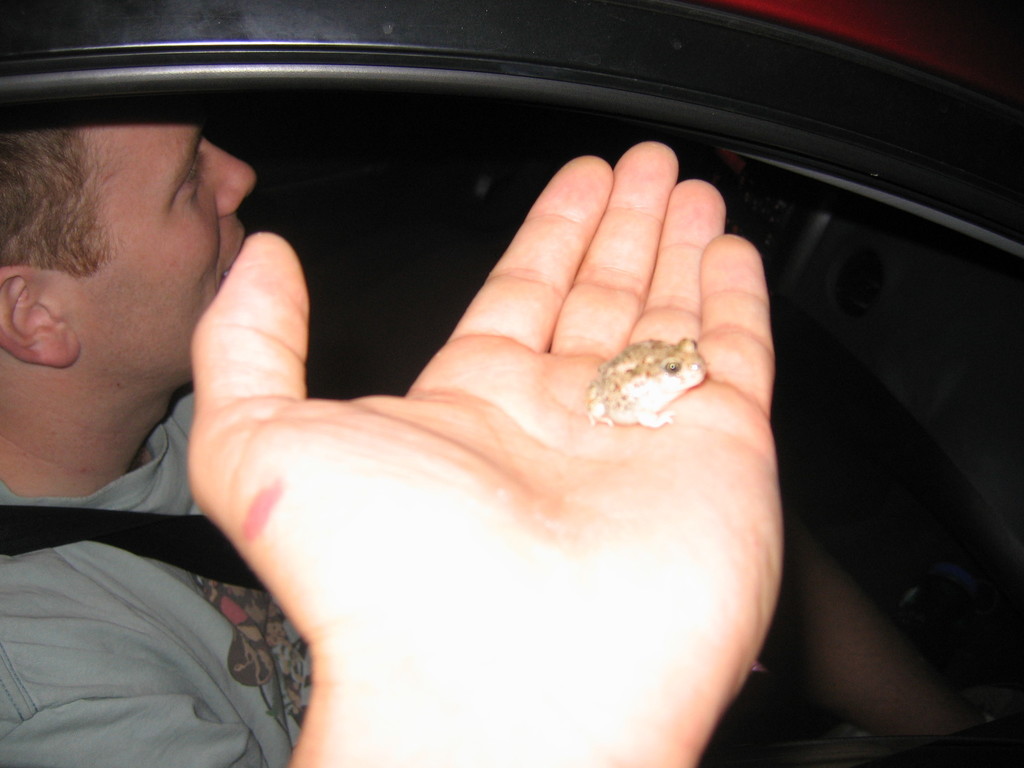
—observations
—countries
—peak records
Near ThreatenedConservation statusIUCN Red List categoriesLCNTVUENCREWEXNear ThreatenedRed List categories, explained →
Diet & prey
- Beetles
- Caterpillars
- Spiders
Predators
- Garter snakes
- Herons
- Raccoons
ThreatsAgricultural development, urbanization, prolonged drought, and invasive bullfrogs
HabitatsGrasslands, chaparral, coastal sage scrub, and open oak woodlands
Life span10–12 years
Size / weightNot available
Classification
- FamilyScaphiopodidae
- SpeciesSpea hammondii
Range data is not available yet.
Interaction riskLow
- Low
- Moderate
- High
- Very high
- Why interaction risk is low
- Safe to observe at a normal distance.
- What to notice
- Recognized by smooth grey skin with red-tipped tubercles, vertical pupils, and black spade-like heels.
- Support conservation
- Keep distance near breeding pools and never move individuals across natural habitat boundaries.
Responsible observation
- Seasonal timing: Search on warm, rain-soaked winter and early spring nights near temporary pools.
- Lighting care: Use dim red flashlights to observe nocturnal adults without causing distress.
- Pool protection: Avoid stepping into rain puddles where eggs and tadpoles develop.
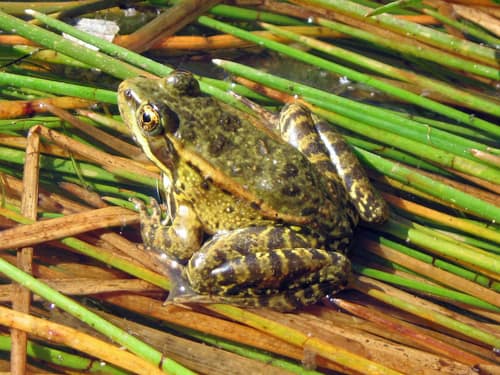
Frequent Companion (c) Greg Schechter, some rights reserved (CC BY) · cc-by
Close Relative (c) andrewnydam, some rights reserved (CC BY) · cc-by
Close Relative (c) Nick Tobler (Cowturtle), some rights reserved (CC BY), uploaded by Nick Tobler (Cowturtle) · cc-by
Help improve the field guideSomething wrong?
Checking your Fauna account…Report a name, category, or profile issue for review.