
Amphibian · GBIF taxon 2426785
Columbia Spotted Frog
Rana luteiventrisAlso known as Spotted Frog
Columbia spotted frogs spend most of their lives in or near permanent water, using heavily webbed hind feet to dive quickly into bottom sediment when startled. During cold intermountain winters, adults hibernate underwater beneath ice in oxygen-rich streams and spring-fed channels. Breeding begins early in spring as ice thaws, when males gather to produce soft, rhythmic clucking calls that resemble a distant engine.
AmphibianAquaticCold-adapted
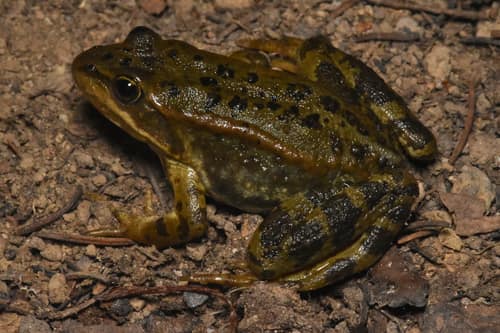
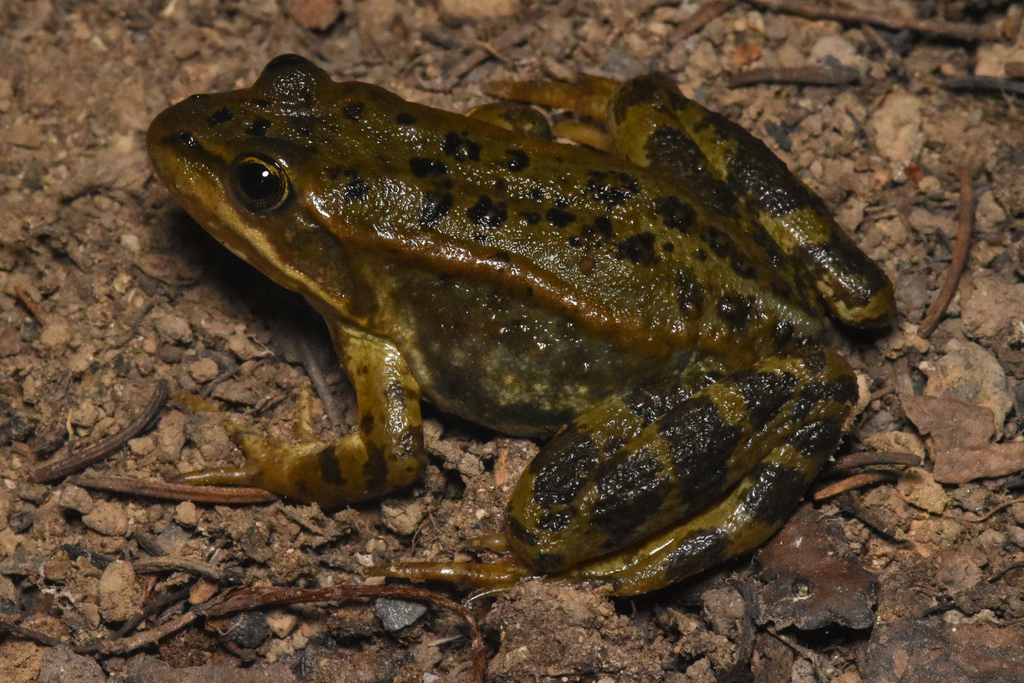
—observations
—countries
—peak records
Least ConcernConservation statusIUCN Red List categoriesLCNTVUENCREWEXLeast ConcernRed List categories, explained →
Diet & prey
- Insects
- Spiders
- Snails
Predators
- Garter snakes
- Herons
- Trout
ThreatsChytrid fungus, invasive fish, and wetland loss
HabitatsPermanent ponds, lakes, marshes, and mountain streams
Life span7–13 years
Size / weightNot available
Classification
- FamilyRanidae
- SpeciesRana luteiventris
Range data is not available yet.
Interaction riskLow
- Low
- Moderate
- High
- Very high
- Why interaction risk is low
- Safe to observe at a normal distance.
Responsible observation
- Observation: Walk quietly along wetland banks to avoid triggering an immediate dive into deep water.
- Handling: Refrain from handling wild individuals because skin chemicals and dry hands harm amphibian skin.
- Listening: Listen for low, rapid clucking calls near spring pools during early thaw periods.
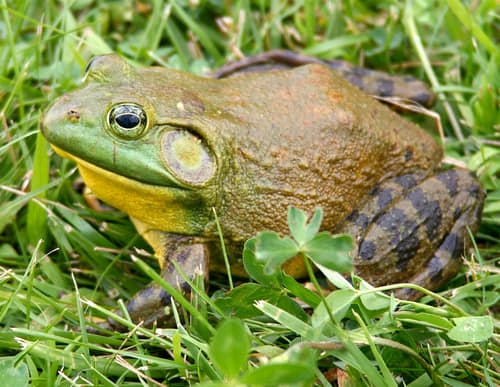
Competitor Carl D. Howe / CC BY-SA 2.5 · cc-by-sa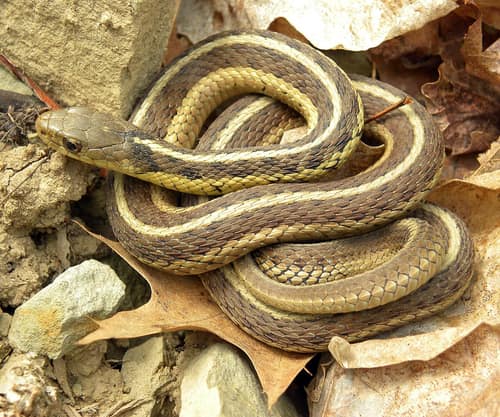
Predator Wilson44691 / Public domain · cc0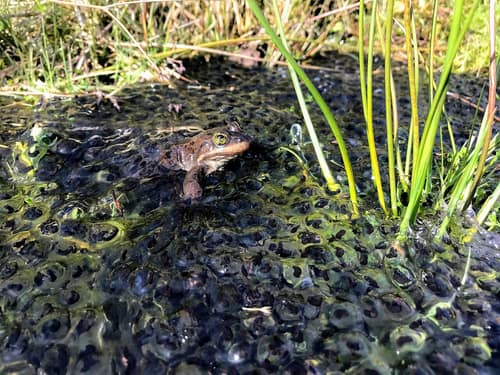
Close Relative Ryan Munes/USFWS Pacific / Public domain · cc0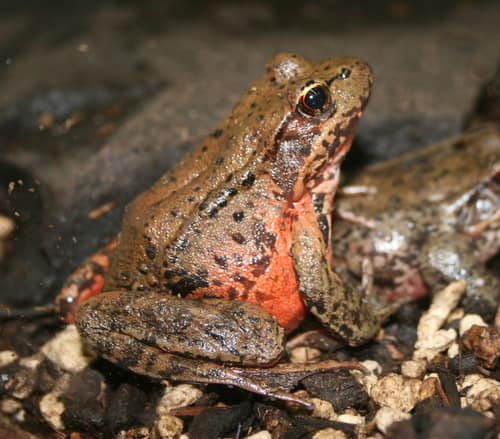
Close Relative (c) born1945, some rights reserved (CC BY) · cc-by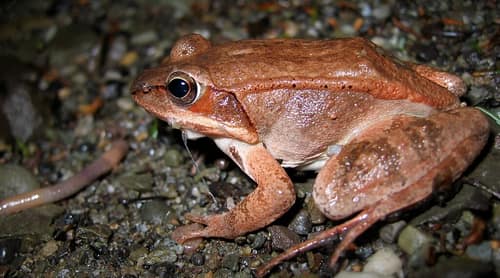
Close Relative "Wood Frog (Rana sylvatica)" by DaveHuth is licensed under CC BY 2.0. To view a copy of this license, visit https://creativecommons.org/licenses/by/2.0/. · cc-by
Help improve the field guideSomething wrong?
Checking your Fauna account…Report a name, category, or profile issue for review.